MH Energy       Your Better Solar and Energy Partner

Leave Your Message

Why Choose an Off Grid Solar Power System?

Why Choose an Off Grid Solar Power System?

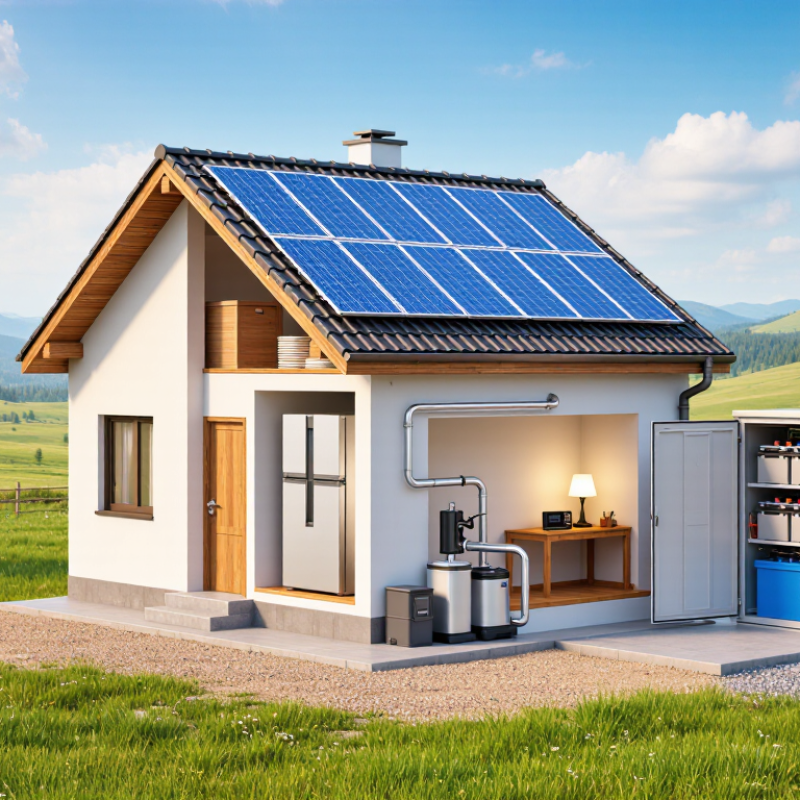
An Off Grid Solar Power System can provide electricity where utility lines are unavailable, unreliable, or too expensive to extend. It combines solar panels, batteries, an inverter, protection devices, and careful energy planning. In a rural home, this may power LED lights, a refrigerator, a water pump, and communication equipment. Every watt matters.

Energy strategist Amory Lovins once said, “The best energy strategy is to use energy more efficiently.” His point is central to off-grid design. A larger system cannot solve careless consumption. Efficient appliances, timed water pumping, and sensible battery charging can reduce both equipment size and replacement costs. A qualified installer should assess sunlight, seasonal weather, load patterns, battery temperature, and local safety requirements. Guesswork is expensive.

An Off Grid Solar Power System also offers independence during outages and can reduce exposure to changing electricity prices. Modern lithium batteries may deliver strong performance, but they still need correct settings, ventilation, monitoring, and eventual replacement. Lead-acid batteries can cost less initially, yet they require more maintenance and careful discharge control. Neither option is perfect.

The quiet benefit is reliability.

Still, solar power is not magic. Cloudy weeks, dust, shade, and unexpected demand can challenge a poorly designed system. A dependable project includes backup planning, realistic energy goals, and maintenance access. Before choosing an Off Grid Solar Power System, homeowners should compare lifetime costs rather than focusing only on the purchase price. The best solution may be smaller, simpler, and more disciplined than expected.
Why Choose an Off Grid Solar Power System?

What Is an Off-Grid Solar Power System?

An off-grid solar power system produces and stores electricity without relying on a public utility grid. Solar panels convert sunlight into direct current electricity. A charge controller manages the energy entering the battery bank. An inverter changes stored power into usable alternating current for household appliances.

There is no utility backup. Power stops.

In practical use, the battery bank is central to the system. It stores daytime electricity for cloudy weather and nighttime use. A remote cabin might run lights, a refrigerator, water pumps, and communication equipment.

Heating devices can consume far more energy than expected. Therefore, system design must match real daily consumption, seasonal sunlight, and backup needs.

Oversizing panels can improve winter charging, but batteries still age and lose capacity. A system may look efficient on paper yet disappoint in January. That possibility deserves honest planning.

Tips:

List every appliance and record its wattage. Estimate winter sunlight, not only summer output. Keep essential loads separate from optional ones. Leave space for future battery expansion. Check ventilation, cables, and protective devices regularly. Do not assume a larger inverter solves every problem; poor energy habits can drain a well-designed system quickly. Safety matters, especially around batteries and high-voltage wiring.
How an Off-Grid Solar Power System Works

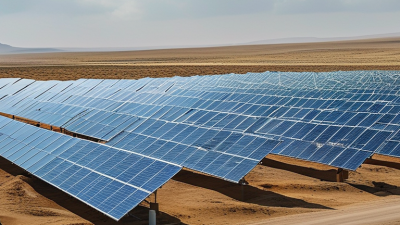
An off-grid solar power system creates electricity without relying on a public utility network. Solar panels convert sunlight into direct-current electricity during daylight hours. An inverter changes it into alternating current for household appliances. The process is quiet and modular.

A charge controller manages the energy entering the battery bank. It helps prevent overcharging and excessive discharge, which can shorten battery life. The batteries store daytime electricity for evening lighting, refrigeration, water pumping, and communication devices. A monitoring screen shows battery voltage, solar production, and daily consumption. On cloudy days, production may fall sharply. A backup generator can provide additional power when extended poor weather continues.

System sizing requires practical experience, not guesswork. Installers usually measure appliance wattage, operating hours, seasonal sunlight, and expected peak demand. A refrigerator may start with a brief surge, while a pump can demand even more. Cable length and temperature also affect performance. Oversizing every component increases cost and may still fail if usage habits remain wasteful. I have found that simple changes matter: switching off idle equipment, using efficient lights, and running high-demand appliances during sunny hours. Battery forecasts are never perfect. Dust, shade, snow, and aging cells can reduce real-world output. Regular inspections help reveal these small problems before they become expensive interruptions.

Why Choose an Off Grid Solar Power System? - How an Off-Grid Solar Power System Works

System Stage Main Component Energy Input Energy Output How It Works Typical Design Considerations
1. Solar Collection Photovoltaic (PV) modules Sunlight Direct current (DC) electricity Solar cells convert light into DC electricity through the photovoltaic effect. Array size depends on daily energy demand, local solar resource, roof or ground area, shading, and seasonal weather.
2. Power Regulation Solar charge controller Variable DC power from the PV array Controlled DC charging current The controller regulates voltage and current to charge the battery safely. MPPT controllers can adjust the operating point of the array to harvest more available power than basic PWM controllers in many conditions. The controller must match the battery chemistry, nominal system voltage, PV voltage range, and maximum charging current.
3. Energy Storage Battery bank DC electricity from the controller Stored chemical energy The battery stores surplus daytime generation and supplies energy when solar production is low or unavailable. Storage is commonly sized for one or more days of autonomy. Usable capacity is lower than nameplate capacity because depth-of-discharge limits and conversion losses must be considered.
4. Voltage Conversion Off-grid inverter DC power from the PV array or battery Alternating current (AC) electricity The inverter converts DC electricity into AC electricity for standard household or commercial loads and creates a local AC supply without a utility grid. Continuous power, surge power, output voltage, frequency, and efficiency should be selected according to the largest starting load and the total simultaneous load.
5. Load Supply AC and DC electrical loads AC output from the inverter or regulated DC power Useful electrical work Lighting, refrigeration, communications equipment, pumps, tools, and other appliances consume electricity according to their rated power and operating time. Energy demand is calculated in kilowatt-hours (kWh), while inverter capacity is rated in kilowatts (kW). Motors and compressors may require higher starting power.
6. System Protection Fuses, circuit breakers, disconnects, grounding, and surge protection Electrical current and transient events Protected circuits and equipment Protection devices interrupt excessive current and provide safe isolation during maintenance or faults. Protection ratings should be coordinated with conductor size, voltage, short-circuit current, battery fault current, and applicable electrical codes.
7. Backup Operation Optional generator or secondary energy source Fuel or another available energy source Additional AC charging or load power A backup generator can charge the batteries or supply selected loads during extended periods of low solar production. Backup sizing depends on critical loads, battery reserve, expected cloudy periods, fuel availability, noise limits, and maintenance requirements.
Key planning indicators: Daily energy use is measured in kWh; instantaneous load is measured in kW; battery autonomy indicates how long stored energy can support the loads without new solar generation. An off-grid system must be designed with sufficient PV capacity, battery storage, inverter power, and protection for the intended loads and local weather conditions.

Key Components of an Off-Grid Solar Setup

Why Choose an Off Grid Solar Power System?

An off-grid solar system produces electricity without relying on a public utility connection. Its performance depends on several parts working together. Solar panels capture sunlight and produce direct current electricity. Their output changes with weather, season, roof angle, and shade. A clear winter morning may still provide limited energy.

A charge controller regulates power before it reaches the battery bank. This protects batteries from overcharging and excessive discharge. Battery capacity should match daily consumption and expected cloudy periods. Lithium-based batteries often provide efficient storage, while other types may require more maintenance. Poor sizing remains a common planning mistake. A battery can look large but empty quickly under heavy loads.

An inverter changes stored direct current into alternating current for household appliances. Its continuous rating must support devices such as refrigerators, pumps, and power tools. Its surge rating also matters during motor startup. Safe wiring, fuses, disconnects, and grounding reduce electrical risks. A monitoring device can reveal night-time consumption and unusual battery losses. During site assessments, installers should record appliance wattage rather than guess. Small errors accumulate. Some systems also include a backup generator for extended cloudy weather, although fuel costs and maintenance deserve careful consideration. A realistic design leaves room for human habits, seasonal changes, and occasional poor decisions.

Benefits and Limitations of Off-Grid Solar Power

Why Choose an Off-Grid Solar Power System?

An off-grid solar power system can provide electricity where utility connections are unavailable or unreliable. It uses solar panels, batteries, an inverter, and protective equipment. During sunny hours, the panels power appliances and charge the batteries. At night, stored energy keeps essential lights, refrigeration, communication devices, and water pumps running. This independence can reduce monthly energy bills and protect households from grid outages. It also produces electricity without direct emissions during operation.

However, off-grid power has real limitations. Batteries increase installation costs and eventually need replacement. Several cloudy days can reduce energy production sharply. A small system may struggle with heaters, electric cooking, or workshop tools. Careful load planning is essential. In field projects, energy estimates often look optimistic at first. Actual usage can rise during winter or busy periods. That gap deserves honest attention. Maintenance also matters, including cleaning panels, checking connections, and monitoring battery condition.

Tips: Start with essential loads. Record daily energy use for one week. Leave extra capacity for cloudy weather. Choose a sheltered, well-ventilated battery area. A backup generator may improve resilience, but fuel storage and operating costs require planning. Never assume the largest system is the best system. A balanced design can be safer, simpler, and more affordable.

Why Choose an Off-Grid Solar Power System?

Off-grid solar can provide low-emission electricity in remote locations, but its performance depends on sunlight availability and storage. The chart shows representative engineering benchmarks rather than brand-specific results.

Representative values: lithium-ion battery round-trip efficiency is commonly about 90%; solar PV capacity factors often range from 15% to 25% depending on location; diesel generator electrical efficiency is commonly around 30% to 40%. Actual results vary with climate, system sizing, operating conditions, and maintenance.

How to Assess Your Off-Grid Solar Energy Needs

Why Choose an Off Grid Solar Power System?

How to Assess Your Off-Grid Solar Energy Needs

Assessing an off-grid solar system begins with an honest energy audit. Record every appliance, its wattage, and daily operating hours. Include refrigerators, pumps, lights, tools, and seasonal equipment. Small loads can become expensive when they run continuously. Measure twice. Guessing creates weak designs.

Calculate daily energy use in watt-hours, then identify the highest simultaneous load. A water pump may consume less energy than a heater, but it can require a larger starting surge. Add battery losses, inverter losses, and several cloudy days to your estimate. Weather matters. Local sunlight changes across seasons, so annual averages alone can mislead. A professional site assessment should examine roof direction, shading, snow, dust, and cable distance.

Battery capacity depends on required autonomy and acceptable discharge levels. A cabin used on weekends needs a different design from a full-time home. Check future demand as well. Electric cooking, workshop tools, or an added freezer can quickly change the calculation. I would rather design with measured data than optimistic assumptions, although oversizing everything wastes money and materials. Review the load list after one month of real use. Compare estimated consumption with actual meter readings. A qualified electrician should verify system protection, grounding, wiring, and local code requirements before installation.