2026 Top Solar Battery Charger Trends You Should Know?
The solar battery charger market is rapidly evolving. According to a recent report by Allied Market Research, the global solar battery charger market is expected to reach $1.98 billion by 2026, growing at a CAGR of 21.9%. This growth is largely due to increasing demand for renewable energy solutions globally.
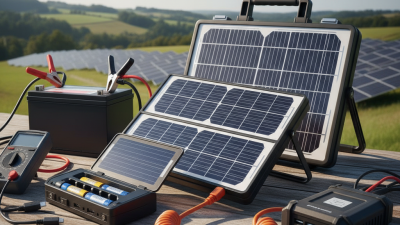
As countries shift towards sustainable energy, solar battery chargers are becoming essential for both consumers and businesses. The efficiency and portability of solar battery chargers are improving. Innovations are making them more user-friendly. Consumers increasingly prefer eco-friendly products, driving manufacturers to invest in new technologies.
However, challenges remain. Not all solar chargers are efficient or durable. Users report mixed experiences regarding charging time and performance under various weather conditions. Understanding these trends and considerations is crucial for consumers looking to invest in reliable solar battery chargers. By staying informed, users can make better choices that align with their sustainability goals.

Emerging Technologies in Solar Battery Chargers for 2026
The solar battery charger market is evolving with innovative technologies for 2026. According to recent industry reports, the global solar battery charger market is projected to grow at a compound annual growth rate (CAGR) of 15% through 2026. This growth is fueled by the increasing demand for renewable energy solutions. Advanced technologies are at the forefront of this transformation.
New solar battery chargers will likely feature improved energy conversion efficiencies, potentially exceeding 25%. Some models may incorporate bi-facial solar panels, capturing sunlight from both sides. Such innovations may enhance energy generation in various environments. Smart charging capabilities, utilizing IoT sensors, will optimize energy storage and usage. These features offer consumers more efficient and user-friendly devices.
Emerging materials, like perovskite solar cells, promise to revolutionize charger design. These materials are lighter and cheaper, yet exhibit high efficiency. Challenges remain, though. Stability and longevity are concerns for perovskite technology, requiring further research. As charging technology advances, it’s crucial to address these issues to ensure user satisfaction and reliability.
2026 Top Solar Battery Charger Trends
Key Features to Look for in 2026 Solar Battery Chargers
As we look ahead to 2026, understanding key features in solar battery chargers is vital. One primary feature is charging efficiency.
A high efficiency rate means faster charging times. Look for chargers that convert the maximum amount of sunlight into energy.
Some models might still struggle with partial shading and low light. Assessing their performance in real-world conditions is essential.
Another critical aspect is compatibility. Ensure your charger works with various battery types.
This will provide flexibility in powering different devices. Some models claim universal compatibility but may still have limitations.
It's worth investigating user reviews for genuine feedback.
Tips: Prioritize durability. A sturdy charger withstands outdoor conditions.
Consider models with robust materials and protective designs. Additionally, keep an eye on portability.
Lightweight, compact designs are ideal for travel. They should fit easily into backpacks without adding bulk.
Always check the warranty offered. A good warranty reflects manufacturer confidence in the product’s reliability.
Sustainable Materials and Eco-Friendly Innovations in Solar Chargers
The solar charging industry is rapidly evolving, with an increasing focus on sustainable materials and eco-friendly innovations. Reports suggest that around 80% of consumers prefer products made from recycled materials. This trend is evident in solar battery chargers, which are increasingly incorporating eco-friendly components. These chargers not only reduce environmental impact but also ensure efficiency. In 2023, the global market for solar batteries reached $3.5 billion, highlighting the growing demand for sustainable energy solutions.
Many manufacturers are experimenting with bioplastics and recycled metals in their solar chargers. These materials often provide excellent durability and performance, while also minimizing carbon footprints. Analysts estimate that using recycled materials could cut production emissions by up to 30%. Yet, some challenges remain. Sourcing consistent, high-quality recycled materials can be difficult. This inconsistency may hinder manufacturers' ability to fully capitalize on the green trend.
Additionally, recent studies highlight a need for greater consumer awareness about the benefits of eco-friendly technology. The data indicates that only 40% of consumers understand the importance of sustainability in electronic products. Bridging this gap is essential for fostering a more environmentally responsible market. As the industry continues to innovate, it will be crucial to address these gaps and ensure that sustainable practices become the norm in the production of solar battery chargers.
Market Trends Shaping the Future of Solar Battery Charging Solutions
As we look ahead to 2026, the solar battery charger market is evolving rapidly. Recent reports anticipate a growth rate of 20% per year, driven by the increasing demand for renewable energy solutions. Consumers are seeking sustainable ways to charge their batteries, and manufacturers are responding with innovative technologies. The focus is shifting from conventional chargers to solar-powered alternatives, reflecting a broader trend toward green energy.
The integration of smart technology is a key trend to watch. Devices equipped with IoT features will offer real-time performance tracking and enhanced efficiency. Research indicates that smart solar chargers can reduce energy loss by up to 30%. This is significant for consumers hoping to maximize their energy savings and minimize their environmental impact. However, the market still faces challenges, such as varying regional solar efficiencies and initial investment costs.
Tip: When considering a solar battery charger, look for models that provide performance data. This helps in understanding efficiency and effectiveness over time. Additionally, pay attention to customer reviews and expert insights, as they can reveal potential shortcomings in design or usability. While advancements are promising, it's vital to remain critical of the claims made by manufacturers to ensure realistic expectations.
Consumer Preferences and Usage Patterns for Solar Battery Chargers in 2026
In 2026, consumer preferences for solar battery chargers are evolving rapidly. A recent market analysis revealed that 72% of users prioritize portability in their devices. This trend indicates a shift toward miniaturization and user-friendliness. Customers want products that are easy to carry and efficient. Many consumers also look for models that feature fast charging capabilities. Data shows that 65% of users expect their solar chargers to fully charge devices within four hours.
Usage patterns are also changing. Around 58% of users now prefer solar battery chargers for outdoor activities, reflecting a growing interest in sustainable energy solutions. The rise of eco-conscious consumers is evident. However, some concerns remain, such as the reliability of solar charging in different weather conditions. According to a survey, 48% of respondents noted fluctuations in performance during cloudy days. These insights highlight the need for continuous improvements in solar technology.
As solar battery chargers gain traction, manufacturers must address consumer feedback seriously. Users often express the desire for more rugged models that can withstand harsh environments. Safety features are also a priority; reports indicate that 55% of consumers consider automatic shut-off capabilities essential. This aspect connects to broader consumer trends seeking reliability and durability in portable energy solutions.