Top 10 Benefits of Residential Solar Systems for Homeowners?
Residential Solar Systems have become increasingly popular among homeowners in recent years. They offer many benefits that can significantly impact both finances and lifestyle. With rising electricity costs and growing environmental concerns, more people are considering solar energy as a feasible solution.
Investing in Residential Solar Systems can lead to substantial savings on energy bills. A well-designed solar system harnesses sunlight, converting it into usable electricity. Homeowners often experience a noticeable reduction in monthly utility expenses. Additionally, many states offer incentives, such as tax credits, to encourage solar adoption.
These systems can also increase property values. Homes equipped with solar panels are viewed as more appealing and energy-efficient. However, it’s important to choose a reliable installer and quality equipment. A poorly designed system may not provide the expected benefits. Moreover, regular maintenance is crucial to ensure optimal performance. Therefore, while there are clear advantages, homeowners must approach this investment thoughtfully.

Benefits of Lower Electricity Bills Through Solar Energy Savings
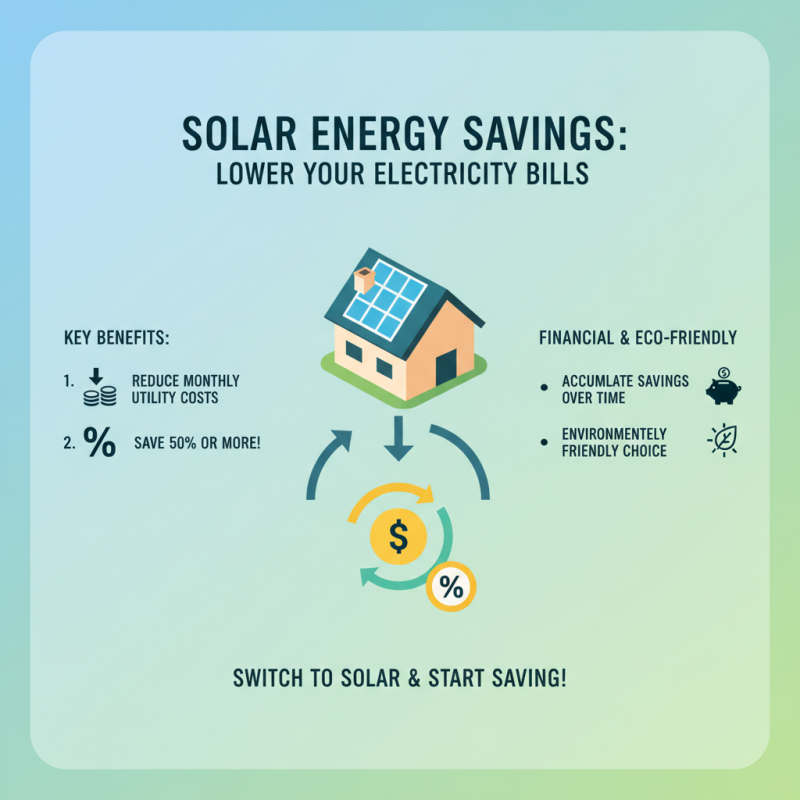
Switching to solar energy can lead to notable savings on electricity bills for homeowners. With solar systems installed, households often see a significant reduction in their monthly utility costs. In fact, many owners report savings of 50% or more. These savings accumulate over time, making solar not just an environmentally friendly choice but also a financially wise one.
Lower electricity bills result from harnessing sunlight, which is free. While initial installation costs can be daunting, many find that incentives and tax credits offset these expenses. It’s essential, however, to know your local regulations and potential hidden costs associated with installation. Homeowners may also need to adjust their consumption habits to maximize these savings.
Adopting solar energy is an investment in both the present and future. It provides peace of mind through predictable energy costs. However, some homeowners can struggle with maintenance or unexpected repairs. Understanding your solar system and its requirements is vital. This aspect of ownership needs careful consideration to truly benefit from significant savings.
Increase in Property Value: How Solar Systems Boost Home Market Worth
Investing in residential solar systems can significantly enhance a home's market value. Research shows that homes equipped with solar panels often sell for a premium. Buyers appreciate the savings on energy bills, making these homes attractive. The presence of solar technology signifies both modernity and sustainability, appealing to eco-conscious buyers.
Solar systems contribute not only to monthly savings but also to increasing property equity. Energy independence reduces reliance on local utilities. This energy-efficient upgrade creates a compelling narrative for potential buyers. However, not all solar systems are created equal. Some homeowners may face challenges, such as panel maintenance or installation costs, which should be considered.
The nuances of local regulations can also impact value. Homeowners should stay informed about their area's energy incentives and tax benefits. Additionally, working with reliable contractors matters. A poorly installed system might deter buyers rather than attract them. Reflecting on these factors can help homeowners maximize their solar investment in the real estate market.
Top 10 Benefits of Residential Solar Systems for Homeowners
| Benefit |
Description |
Impact on Property Value (%) |
| Increased Property Value |
Solar systems can significantly increase the resale value of a home. |
4-6% |
| Lower Electricity Bills |
Homeowners can save on monthly energy costs, making the property more appealing. |
N/A |
| Energy Independence |
Solar power reduces reliance on grid power, attracting eco-conscious buyers. |
N/A |
| Tax Incentives |
Tax credits can offset installation costs, making homes more financially attractive. |
N/A |
| Environmental Impact |
Potential buyers may prefer homes that contribute less to pollution. |
N/A |
| Durability and Longevity |
Solar panels are built to last and generally come with long warranties. |
N/A |
| Low Maintenance Costs |
Minimal maintenance required, enhancing the overall appeal of the property. |
N/A |
| Enhanced Curb Appeal |
Modern solar installations can improve the aesthetic of a home. |
N/A |
| Future-Proofing |
As energy costs rise, solar becomes increasingly valuable. |
N/A |
Government Incentives: Tax Credits and Rebates for Solar Installations
Government incentives play a crucial role in promoting solar energy adoption among homeowners. Tax credits and rebates significantly reduce the upfront costs of installing residential solar systems. For instance, many governments offer a federal tax credit that allows homeowners to deduct a portion of their solar installation costs from their federal taxes. This incentive can amount to thousands of dollars, making solar more accessible.
Consider researching state-specific incentives as well. Each state may offer additional rebates or tax benefits that can further lower costs. Some local utility companies also provide financial incentives, such as performance-based incentives or grants for solar installations. Don’t forget to check eligibility requirements. Some incentives may have expiration dates or specific conditions that need to be met.
Tips for optimizing your savings: Keep track of all necessary documentation for claiming tax credits. Consult a tax professional for personalized guidance. Make sure your solar installation meets the required standards to qualify for incentives. It’s essential to stay informed about changing regulations, as these can impact your savings. Be prepared for a little paperwork; the financial benefits can be well worth the effort.
Energy Independence: The Role of Solar in Reducing Grid Reliance
Energy independence is a crucial aspect of residential solar systems. Homeowners can reduce their reliance on the grid, which is often subject to fluctuations. By harnessing solar energy, families gain greater control over their power supply. This shift can lead to significant savings over time.
With solar panels installed, homes generate their own electricity. This process contributes to less strain on the grid. During peak demand times, solar energy production can reduce overall consumption from public utilities. Homeowners can feel empowered knowing they contribute to a more stable energy system.
However, transitioning to solar is not without challenges. Initial installation costs may deter some homeowners. Not everyone may have optimal sun exposure, which can affect system efficiency. Each situation is unique, requiring careful evaluation before making the leap. Overall, the role of solar in achieving energy independence is significant and worthy of consideration.
Top 10 Benefits of Residential Solar Systems for Homeowners