How to Choose Solar Electric Battery Storage?
Choosing Solar Electric Battery Storage is not simply a matter of buying the largest battery available. The right system should match your household’s electricity use, solar production, backup priorities, and budget. A battery that looks impressive on a specification sheet may still disappoint if its usable capacity is low or its inverter cannot support essential loads.
The International Energy Agency’s Batteries and Secure Energy Transitions report says global energy storage capacity needs to grow sixfold by 2030, reaching 1,500 gigawatts; batteries provide most of that projected growth. IEA Executive Director Fatih Birol described batteries as “the fastest-growing clean energy technology today.” This broader shift matters at home, too. Battery power determines which appliances can run at once; usable capacity affects how long they can run. A refrigerator, a few lights, and a router need different support than an electric oven or heat pump.
Start with your actual electricity bills and the circuits you want backed up. Compare usable kilowatt-hours, continuous power, round-trip efficiency, warranty terms, and compatibility with your solar inverter. Check where the battery will sit: a cold garage or hot exterior wall can affect performance. The U.S. National Renewable Energy Laboratory’s Annual Technology Baseline tracks storage costs and assumptions, but a modeled cost is not a household quote. Installation, equipment, and local conditions change the final price. That part is easy to underestimate.
A careful comparison can prevent an expensive mismatch. Still, no battery eliminates every outage or guarantees savings. The best choice is the one whose limits are clear before the lights go out.
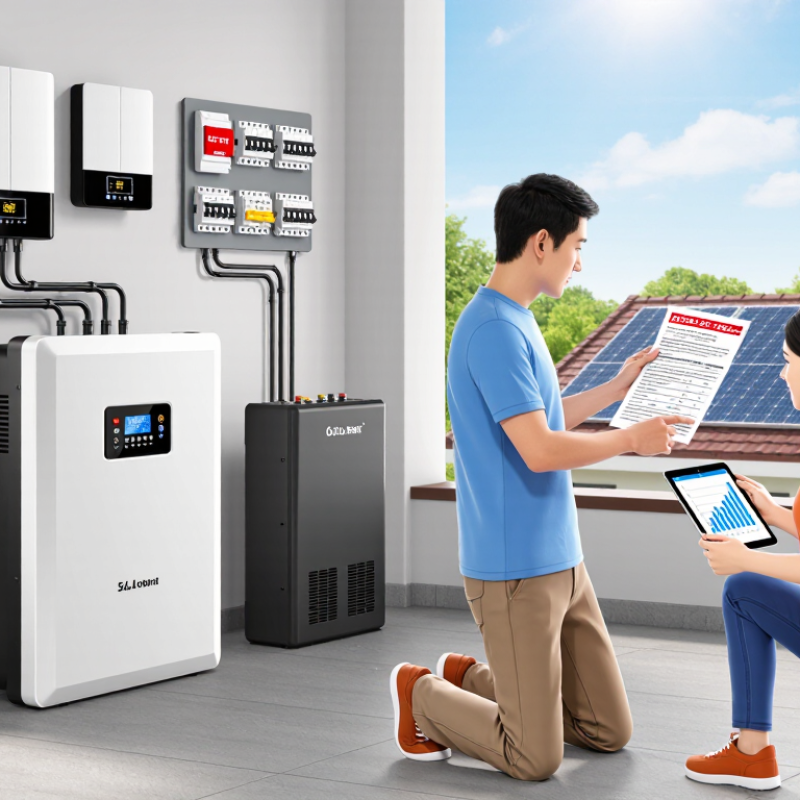
Understanding How Solar Battery Storage Works
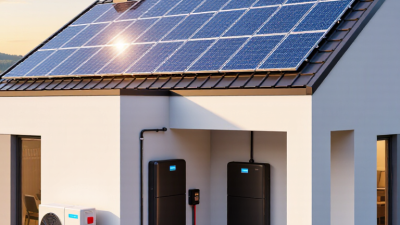
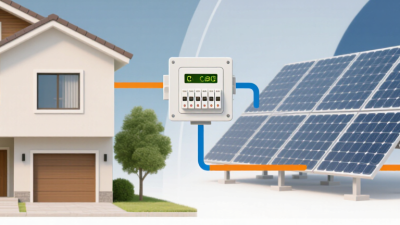
Solar battery storage holds electricity that rooftop panels produce but a home does not use immediately. In daylight, panels generate direct current, while most household appliances use alternating current. An inverter converts electricity between these forms, and a battery stores some of the available energy for later. The exact setup varies: some systems use a separate inverter, while others combine components. That matters.
After sunset, the battery can supply stored power to selected circuits or, if designed for it, more of the home. How long it lasts depends on usable capacity, household demand, and conversion losses. A battery rated for a certain capacity may not deliver all of it in everyday use. Round-trip efficiency describes how much energy remains after charging and discharging. Power rating also matters: capacity is the amount stored, while power affects how many appliances can run at once. During cloudy days, solar production may not fully recharge the battery. It is easy to focus on the advertised capacity and overlook evening habits, such as running an oven and clothes dryer together. A load estimate, plus a clear decision about backup needs, makes the system’s operation easier to understand.
How to Choose Solar Battery Storage
Compare a battery’s nominal capacity with the energy available for use. This example assumes 90% of nominal capacity is usable; actual usable capacity varies by battery and settings.
How to use this: Estimate the energy your household needs during the hours you want backup, then compare it with the battery’s usable capacity—not just its nominal capacity. This illustration does not account for reserve settings, aging, or system losses.
Assessing Energy Use and Backup Power Needs
Choose storage from the loads you need to keep running, not your total monthly bill. The U.S. Energy Information Administration’s Electric Power Annual reports average residential electricity use of 10,791 kWh per customer in 2022, or about 899 kWh monthly. That figure is a reference, not a sizing rule. A home with electric heating may use far more during a cold outage.
List essential devices and estimate their run time. A refrigerator, internet router, several lights, and a phone charger create a different demand from an electric oven or water heater. Small loads add up. Multiply each device’s watts by the hours you expect to use it, then total the daily energy in kilowatt-hours. Also check the inverter’s continuous and surge ratings; a refrigerator compressor can briefly draw more power when starting. NREL’s End-Use Load Profiles for the U.S. Building Stock provides 15-minute electricity-use profiles, showing why timing matters as well as daily totals. A rough estimate can still miss seasonal habits. Recheck it against a week of actual meter data, and decide whether backup means a few hours for essentials or overnight through a longer outage.
How to Choose Solar Electric Battery Storage? - Assessing Energy Use and Backup Power Needs
| Backup profile |
Example loads included |
Estimated energy use |
Backup duration |
Estimated battery capacity |
Planning notes |
| Critical loads |
Refrigerator, a few LED lights, Wi-Fi router, and phone charging |
About 1.9 kWh/day |
1 day |
About 2.6 kWh nominal |
A practical starting point for short outages. Refrigerator energy varies with model, room temperature, and how often the door is opened. |
| Essential household use |
Critical loads plus a laptop and several fans |
About 3.0 kWh/day |
2 days |
About 8.3 kWh nominal |
Useful when outages may last overnight or longer. Check whether fans and other loads will run continuously or only for part of the day. |
| Expanded backup |
Essential household use plus more lighting, additional computer use, and limited microwave use |
About 4.5 kWh/day |
2 days |
About 12.5 kWh nominal |
Microwave use is assumed to be brief. High-power appliances can require a larger inverter even if their total daily energy use is modest. |
|
Sizing assumptions: These are illustrative estimates, not measured household data. Nominal battery capacity is estimated using 80% usable battery capacity and 90% inverter efficiency (combined usable output is approximately 72% of nominal capacity). Check actual appliance energy use, battery specifications, inverter continuous and surge ratings, and local installation requirements before choosing a system.
|
Checking System Compatibility, Safety, and Installation
Before comparing battery capacity, check whether the storage unit matches your existing solar system. Confirm the inverter’s supported battery voltage, communication method, and charge limits. A battery may look suitable on paper yet fail to work properly with an older inverter. Check usable capacity, not just the headline figure, and compare its continuous output with the appliances you want to run. A refrigerator and a kettle draw very different loads. Small details matter.
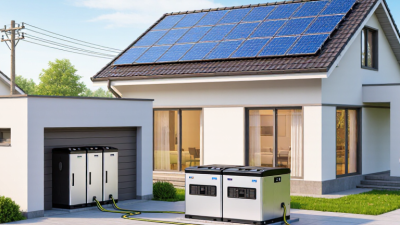
Safety starts with the installation location. The battery needs a stable, dry area with the clearances and temperature range specified in its documentation. Keep it away from heat sources and places where water could collect. Ask a qualified installer to review mounting, cable sizing, isolation equipment, ventilation requirements, and the home’s electrical panel. Do not treat a heavy battery as a simple appliance. Its stored energy can create serious hazards if wiring or protection is unsuitable.
Ask the installer to explain which circuits will receive backup power and what happens during an outage. Request a written design showing expected loads, battery settings, and shutdown procedures. Check that the proposed equipment and installation meet applicable local requirements. One easy-to-miss issue is future expansion: adding another battery later may not be supported. Even careful plans can overlook a detail, so pause over anything unclear and get the answer in writing before work begins.
Evaluating Costs, Lifespan, and Long-Term Value
Choosing solar electric battery storage means weighing the purchase price against years of useful service. Compare the installed cost, usable capacity, warranty terms, and expected efficiency loss over time. A battery’s advertised capacity may differ from the energy available after reserve settings and conversion losses. Ask for estimates based on your household’s actual evening use, not just the system’s maximum output.
Lifespan affects long-term value. Check the warranty’s years, energy-throughput limit, and coverage conditions, then compare them with your expected daily charging pattern. Frequent deep cycling or hot installation conditions can influence performance. Real life varies. I would treat projected savings as estimates, not promises; utility rates and household habits can change, and those details are easy to underestimate.
Tips: Use recent electricity bills to estimate nighttime consumption. Compare total installed cost per usable kilowatt-hour, and ask what replacement or service could cost after the warranty ends. Consider whether the battery can be expanded later, but do not pay extra for capacity you are unlikely to use. A simple spreadsheet helps; mine would still need updating when rates change.