MH Energy       Your Better Solar and Energy Partner

Leave Your Message

How to Choose the Best Off Grid Solar Power System

Choosing the best Off Grid Solar Power System starts with an honest look at daily energy use, not a glossy panel rating. List essential loads, such as a refrigerator, water pump, lights, and communication devices. Note when each runs and how much power it needs. Small details matter. A pump starting at dusk can place a sharper demand on batteries than its daily energy total suggests. Energy-efficiency expert Amory Lovins is often quoted as saying, “The cheapest energy is the energy you don’t use.” That idea is practical here: reducing avoidable loads can lower the system’s cost and complexity.

The right design balances solar panels, batteries, an inverter, and a backup plan. Compare usable battery capacity, cold-weather performance, warranty terms, and replacement options. Also check whether the inverter can handle appliance start-up surges. A system that looks generous on paper may struggle through several cloudy days. This is where careful load estimates help, though estimates are never perfect. Real households change their habits, and seasonal sunlight can surprise even experienced owners. The outline that follows explains how to assess energy needs, choose compatible components, compare system sizes, and review installation and maintenance considerations. It also flags common trade-offs, including upfront cost, battery lifespan, and the limits of relying on solar alone. There is no universal winner; the best system is the one that fits your actual loads and local conditions.
How to Choose the Best Off Grid Solar Power System

Assess Your Energy Needs and Daily Consumption

Choosing an off-grid solar system starts with a clear picture of what you use each day. List every appliance, its wattage, and the hours it runs. Check the label or manual; guessing can skew the total. A refrigerator may cycle on and off, while a kettle draws high power for only a few minutes. Small loads count too. Routers, lights, and phone chargers quietly add up.

Multiply each device’s watts by its daily hours to estimate watt-hours, then add the results. For example, a 10-watt light used for five hours consumes about 50 watt-hours. Track actual use for at least a week, including evenings and weekends. The numbers may surprise you. Add a reasonable allowance for inverter losses, but avoid padding the estimate without a clear reason. Check startup surges as well: pumps and compressors can briefly draw much more power than their running rating.

Look for seasonal changes. Heating, cooling, water pumping, or longer winter nights can shift demand sharply. Note which loads are essential and which can wait for sunny hours. This helps distinguish daily energy needs from peak power needs, which affect different system components. Estimates are never perfect; weather and routines change. Review your list before buying, and leave room for measured growth rather than imagined appliances.

How to Choose the Best Off-Grid Solar Power System: Assess Your Energy Needs and Daily Consumption

Use this sample household load assessment as a starting point. Enter the wattage of each appliance and estimate its average daily operating time to calculate energy use in watt-hours (Wh) per day.

Appliance or Load Quantity Typical Power per Unit Daily Use Estimated Energy per Day Estimation Notes
LED lights 8 9 W 5 hours 360 Wh Assumes all eight lights are on for an average of five hours.
Refrigerator 1 60 W average 24 hours 1,440 Wh Uses average running power; compressor cycling and ambient temperature affect actual consumption.
Laptop 1 60 W 5 hours 300 Wh Actual draw varies with workload, screen brightness, and charging.
Internet router 1 10 W 24 hours 240 Wh Assumes continuous operation.
Television 1 80 W 4 hours 320 Wh Power use depends on screen size, brightness, and model.
Phone charging 2 phones 10 Wh per charge 1 charge each 20 Wh Approximate energy delivered for two phone charges.
Water pump 1 500 W 0.5 hour 250 Wh Starting surge can be considerably higher than running power.
Fan 1 45 W 8 hours 360 Wh Use the fan’s rated input power when available.
Microwave 1 1,200 W input 0.15 hour 180 Wh Input power, not the cooking-output rating, is used for the estimate.
Washing machine 1 500 W average 0.2 hour average 100 Wh Daily average spreads occasional wash cycles across the week; heating water can increase use substantially.
Estimated daily consumption 3,570 Wh (3.57 kWh) Sum of the example appliance estimates.
Planning allowance Adding a 25% allowance for system losses and estimation uncertainty gives a planning load of about 4.46 kWh per day.
Illustrative solar array size At 4.5 peak-sun-hours per day and an assumed 75% overall system efficiency: 4.46 kWh ÷ (4.5 × 0.75) ≈ 1.32 kW of solar panels.
Illustrative battery capacity For 1.5 days of autonomy with 80% usable battery capacity: (4.46 kWh × 1.5) ÷ 0.80 ≈ 8.36 kWh nominal capacity.
Next step Check appliance nameplates or measured consumption, then refine the design using local winter solar conditions, desired backup days, inverter surge requirements, and battery specifications.

Note: These figures are illustrative estimates, not a system design guarantee. Peak-sun-hours vary by location, season, shading, and weather. High-power loads such as pumps and microwaves may also require an inverter sized for their starting or surge demand.
Evaluate Sunlight, Climate, and Installation Location

An off-grid solar system must work through the site’s weakest season, not just on a bright afternoon. Check monthly solar-resource data for your exact location, then compare it with a physical site inspection. Nearby trees, roof edges, hills, and even a chimney can cast long winter shadows. A clear midday view is not enough. My first site sketch was too optimistic about afternoon shade; the numbers looked better than the yard.

Climate changes both production and equipment needs. NREL’s PVWatts documentation uses a 14% default system-loss allowance and a -0.37% per °C temperature coefficient for its standard module model. These are modeling assumptions, not guarantees for every installation. High module temperatures can reduce output, while snow, dust, and persistent cloud can further lower energy collection. Check local weather records and estimate generation for the lowest-sun month. That estimate helps determine whether the battery can cover overnight use and several cloudy days.

Tips: Visit the proposed location in different seasons. Note shade, wind exposure, snow buildup, and safe access for cleaning. Compare a weather-based estimate with real site conditions. Then review the assumptions again; one overlooked tree can matter.

Size the Solar Array, Battery Bank, and Inverter

Start with a seven-day load log, not the panels you hope to install.

Add daily watt-hours for lights, refrigeration, pumps, and device charging. For example, a 5 kWh daily load, four peak-sun hours, and a 0.75 system derating factor require about 1.7 kW of solar capacity. Use local winter conditions, not annual averages; short days can leave an undersized array struggling. NREL’s PVWatts tool estimates monthly production from local weather data, which helps test that seasonal gap.

Size the battery for the nights and cloudy days you need to cover.

A simple estimate is daily energy multiplied by autonomy days, divided by usable battery fraction. At 5 kWh per day, two days, and 80% usable capacity, that is 12.5 kWh nominal. NREL’s 2021 Storage Futures Study modeled lithium-ion storage at 85% round-trip efficiency. That utility-scale assumption is a planning reference, not a guarantee for a home battery. For the inverter, check continuous watts and startup surges; a pump or refrigerator can briefly draw far more than its running load.

Tips: List appliances that start together, then size the inverter for their combined surge. Keep a little margin. Recheck your assumptions after a week of real measurements; estimates can miss small, constant loads.

Compare System Types, Components, and Total Costs

Off-grid systems differ in what they can power. A small DC setup can run LED lights, a fan, and USB devices directly, with fewer conversion losses. It suits a shed or seasonal cabin. For a full-time home, an inverter-based AC system can run a refrigerator, water pump, and standard outlets. It costs more and needs careful sizing. There is no universal “best” type. List daily energy use and peak appliance loads before comparing quotes.

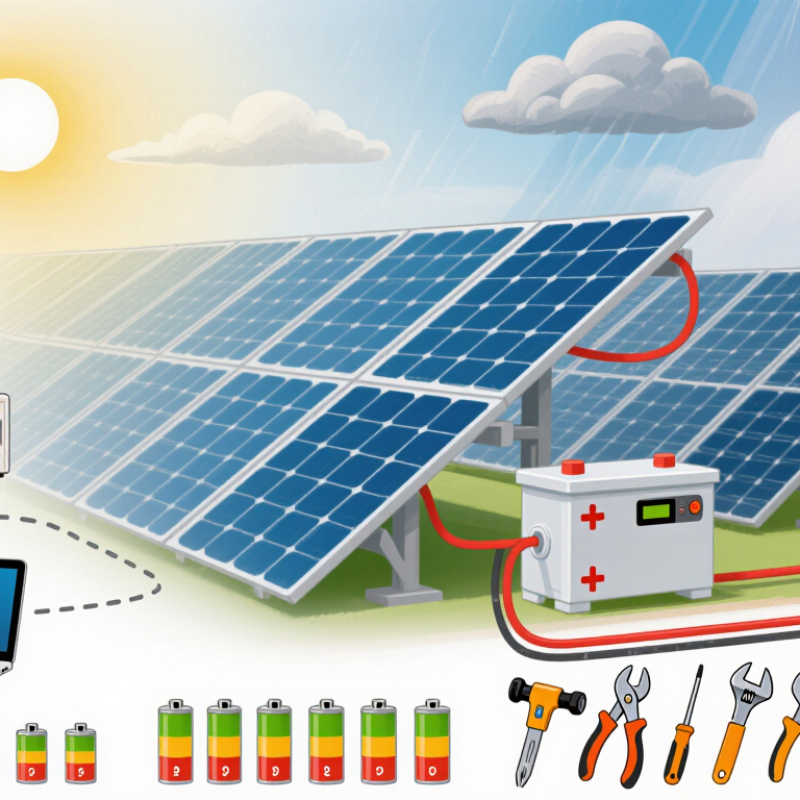
Compare the complete equipment list, not just panel capacity. Panels collect energy; a charge controller manages battery charging; batteries store power; and an inverter supplies AC electricity. Ask whether the quote includes mounting hardware, wiring, circuit protection, delivery, installation, and monitoring. Batteries and inverters can account for a substantial share of upfront cost. So can labor, especially where equipment is difficult to access. Include future battery replacement and routine maintenance in the total. A system sized for cloudy weeks may cost more than one designed around average sunny days. The trade-off is real. Check battery temperature limits and usable capacity, and confirm that the inverter can handle motor startup surges. Estimates can still miss a detail—often the long cable run to a distant pump.

Check Installation Requirements and Long-Term Maintenance

Choosing an off-grid solar system begins with the place it must serve. Record daily energy use, including brief surges from pumps or refrigerators. Then assess the installation site. Roof shade changes through the day, while ground-mounted panels need stable, well-drained space. Check roof condition, wind exposure, and snow loads before settling on a layout. Small details matter. Ask a qualified installer to assess structural and electrical requirements, and confirm local permits or inspections where applicable.

Battery placement deserves particular attention. Many batteries perform best within specified temperature ranges and need protection from moisture, impact, and direct sun. Follow the equipment manuals for ventilation and spacing. Keep cable runs practical; excessive distance can increase voltage loss. Disconnects, grounding, and overcurrent protection must match the system design. This is not a good place to guess. Have a qualified professional review the wiring plan, especially if the system will supply a whole home.

Plan maintenance before installation, not after something stops working. Set a simple schedule to check for panel debris, loose-looking connections, corrosion, and battery alerts. Clean panels only as their instructions allow, and avoid working on energized equipment. Keep records of energy production and battery behavior; gradual changes can reveal a problem early. I would not assume every dip means a fault—cloud cover and seasonal daylight matter too. A periodic professional inspection can catch issues that a quick visual check misses.