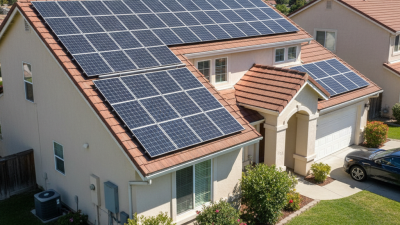
Top 10 Tips for Building a Solar Energy System at Home?
Building a Solar Energy System Home can be an exciting journey. Many homeowners seek to harness the sun's power for various reasons. This system can reduce energy bills, decrease carbon footprints, and increase energy independence.
However, the process can be challenging. It requires careful planning and consideration. Knowledge about solar panels, inverters, and batteries is essential. You may feel overwhelmed with options and technology. Choosing the right components for your solar energy system home is crucial. Research is key to finding reliable products.
Mistakes can happen, and adjustments may be necessary. Aiming for perfection can lead to frustration. Embracing flexibility in your approach will help. Understanding your unique energy needs will guide your decisions. Engaging with experts in the field can provide valuable insights. Your journey into solar energy is a step towards sustainability.
Understanding Your Energy Needs and Goals
Understanding your energy needs and goals is crucial before building a solar energy system at home. Begin by analyzing your current energy consumption. The U.S. Energy Information Administration reports that the average American household uses about 877 kWh per month. Knowing your energy usage helps you calculate the size of the solar system you need. You can adjust your consumption patterns too. Reducing usage by even 10% can significantly decrease the size and cost of your solar investment.
Consider what you want to achieve with your solar energy system. Are you aiming for energy independence, cost savings, or environmental benefits? According to the National Renewable Energy Laboratory, residential solar can reduce electricity bills by up to 70%. However, it’s essential to reflect on your location and solar potential. Houses in sunny areas have different production capacities compared to those in shaded regions. Mapping out your energy goals will help avoid oversizing or undersizing your installation, which can lead to wasted resources or insufficient power supply. Ensure your aspirations align with your actual needs to make the best investment.
Evaluating Your Site for Solar Panel Installation
When evaluating your site for solar panel installation, consider the sunlight exposure. South-facing roofs typically receive the most sunlight. Use a solar pathfinder tool or an app to assess the sun’s trajectory. This will help you identify any obstructions, such as trees or buildings, that may shade your panels. Ensure that your roof is structurally sound. If your roof needs repairs, take care of that before installing solar panels.
Consider the angle and orientation of your roof. A steep pitch may affect the installation process and the efficiency of the panels. If your roof isn’t ideal, ground-mounted systems can be an alternative. However, these require more space and may not be feasible for every homeowner. Local zoning laws and regulations may also influence your installation options.
Evaluate the local climate. Regions with frequent cloud cover may produce less solar energy. Analyze the potential for snow accumulation on your roof. Snow can block sunlight and hinder efficiency. You may need to monitor snow levels or clear snow after storms. Finally, think about your energy needs. Understanding your consumption will guide the size of your solar energy system.
Selecting the Right Solar Technology for Your Home
Selecting the right solar technology for your home can feel overwhelming. Start by understanding the different types of solar panels available. Monocrystalline panels are efficient but may be pricier. Polycrystalline panels offer a more cost-effective solution, though they typically have slightly lower efficiency. Consider your roof's orientation and the amount of sunlight it receives. This varies significantly by location and can greatly impact your solar panel's performance.
Evaluate your energy needs carefully. Calculate how much electricity you use monthly. This will help you determine the system size required to meet your demands. It's important to consult a professional to assess your home’s specific situation. They can provide insights into potential challenges, such as roof condition or shading from trees.
Research installation options; DIY might seem appealing but can lead to mistakes. Professionals ensure everything is up to code. After installation, monitor the system's output regularly. If you notice a drop in performance, investigate immediately. Solar technology continues to evolve, so remain open to updates and improvements. This approach not only boosts efficiency but also maximizes your investment.
Navigating Local Regulations and Incentives for Solar Energy
Navigating local regulations is crucial when considering a solar energy system for your home. Each state and municipality has different rules regarding solar installations. For instance, nearly 80% of states have policies that promote net metering, allowing homeowners to earn credits for excess energy produced. Understanding these nuances can directly impact your savings and system design.
Incentives can significantly lower the upfront costs of solar systems. The federal solar tax credit currently allows you to deduct 26% of installation costs from your federal taxes. Many states and local governments offer additional rebates or tax credits. According to the Solar Energy Industries Association, states like California and New York provide substantial incentives that can further reduce your expenses. However, the application process can be intricate, and it might require careful documentation.
While navigating these regulations and incentives can feel overwhelming, taking the time to understand them is essential. Engage with local experts who can guide you through the regulatory landscape. Many homeowners find that an initial investment of time pays off later, both in financial savings and in optimized system performance. Yet, even experienced individuals sometimes encounter unexpected challenges during installation or paperwork processes, highlighting the importance of thorough preparation.
Top 10 Tips for Building a Solar Energy System at Home
Planning Your Solar System Design and Installation Process
Planning your solar system design and installation process requires careful consideration. Start by assessing your energy needs. Evaluate your monthly electricity usage. This information helps in sizing your solar system properly. It’s essential to look at your roof's structural integrity as well. Make sure it can support solar panels before proceeding.
When choosing the right equipment, consider efficiency and longevity. High-efficiency panels may cost more upfront. However, they often yield better long-term savings. Research local regulations, as laws can impact installation. Community guidelines may dictate panel aesthetics or placement. It’s wise to consult with local experts. They can provide insights into best practices and pitfalls.
Installation is a critical phase. DIY installations can save money, but they may come with risks. Ensure you understand local codes and safety measures. An improper installation can lead to energy loss or damage. Consider hiring professionals if unsure about your skills. Their experience can greatly reduce potential mistakes. Regular maintenance of the system is also vital. Inspect connections and panels to keep everything functioning well.