Top 10 Tips for Choosing Solar Panel System for Home?
The demand for solar energy is rising as homeowners seek sustainable alternatives. According to the Solar Energy Industries Association, the residential solar market grew by 20% in 2022. More families are investing in solar panel systems to reduce their carbon footprint and lower energy bills. Choosing the right Solar Panel System Home is crucial.
A variety of factors affect your decision. Efficiency ratings, installation costs, and local incentives matter. EnergySage reports that the average homeowner saves around $10,000 over 20 years after installing solar panels. However, navigating the choices can be overwhelming and confusing.
It's essential to assess your home's unique needs and energy consumption. Finding the right balance between cost and efficiency requires careful consideration. Not all solar panel systems are created equal. Some may not deliver the expected performance. Be informed about the options and challenges ahead before making your investment.

Understanding Solar Energy Systems: Types and Technologies Explained
When considering solar energy systems, it’s essential to understand the various types and technologies available. Photovoltaic (PV) systems are the most common. They convert sunlight directly into electricity. According to a report by the International Energy Agency, PV systems account for over 90% of global solar capacity. These systems range from small rooftop installations to large-scale solar farms.
Another technology to consider is Concentrated Solar Power (CSP). CSP uses mirrors to concentrate sunlight, generating heat that produces electricity. This method works best in sunny, arid regions. Studies indicate that CSP can provide continuous energy, unlike traditional solar solutions that only work during daylight hours.
While solar power offers numerous benefits, it is not without challenges. Prospective users must assess their location's sunlight availability. Panel efficiency can vary significantly. Additionally, changes in government policies can impact the cost and incentives associated with solar installations. Understanding these factors is crucial to making informed decisions about solar energy systems for your home. Often, homeowners find the complexity overwhelming. Being aware of potential pitfalls can lead to better planning and execution.
Top 10 Tips for Choosing Solar Panel System for Home
Evaluating Your Home's Energy Needs: Calculating Solar Panel Requirements
Evaluating your home's energy needs is crucial when choosing a solar panel system. Start by examining your historical energy usage. Look at your electricity bills for the past year. This data helps you estimate how much energy you'll need from your solar panels.
Next, consider factors like home size and energy efficiency. A larger home usually requires more energy. However, energy-efficient appliances might reduce your overall demand. It's essential to account for seasonal variations in energy consumption, too. For example, summer months may see higher usage due to air conditioning. These details will guide your solar panel requirements.
Additionally, think about future changes. Are you planning to expand your family or buy electric vehicles? These needs will impact your energy consumption. Be honest about your lifestyle and habits. A realistic evaluation can lead to a better solar installation tailored to your specific needs.
Top 10 Tips for Choosing Solar Panel System for Home
| Tip Number |
Tip |
Description |
Estimated Cost ($) |
Energy Savings (%) |
| 1 |
Assess Your Energy Needs |
Evaluate your average energy consumption to determine system size. |
$0 |
10-30% |
| 2 |
Consider Solar Panel Types |
Research different types of solar panels and their efficiencies. |
$2000 |
15-25% |
| 3 |
Evaluate Roof Condition |
Ensure your roof can support a solar panel system. |
$0 |
N/A |
| 4 |
Check Local Regulations |
Understand zoning laws and permits required for installation. |
$300 |
N/A |
| 5 |
Choose Reliable Installers |
Select installers with good reviews and warranties. |
$0 |
N/A |
| 6 |
Consider Battery Storage |
Evaluate options for battery systems to maximize energy use. |
$5000 |
20-40% |
| 7 |
Look for Incentives |
Research federal, state, and local incentives for solar installations. |
$0 |
N/A |
| 8 |
System Size and Design |
Calculate required solar panel size based on energy consumption. |
$10000 |
40-70% |
| 9 |
Consider Future Needs |
Plan for potential future energy consumption increases. |
$0 |
N/A |
| 10 |
Review Financing Options |
Explore various financing options available for solar systems. |
$0 |
N/A |
Assessing Solar Panel Efficiency Ratings: Key Metrics to Consider
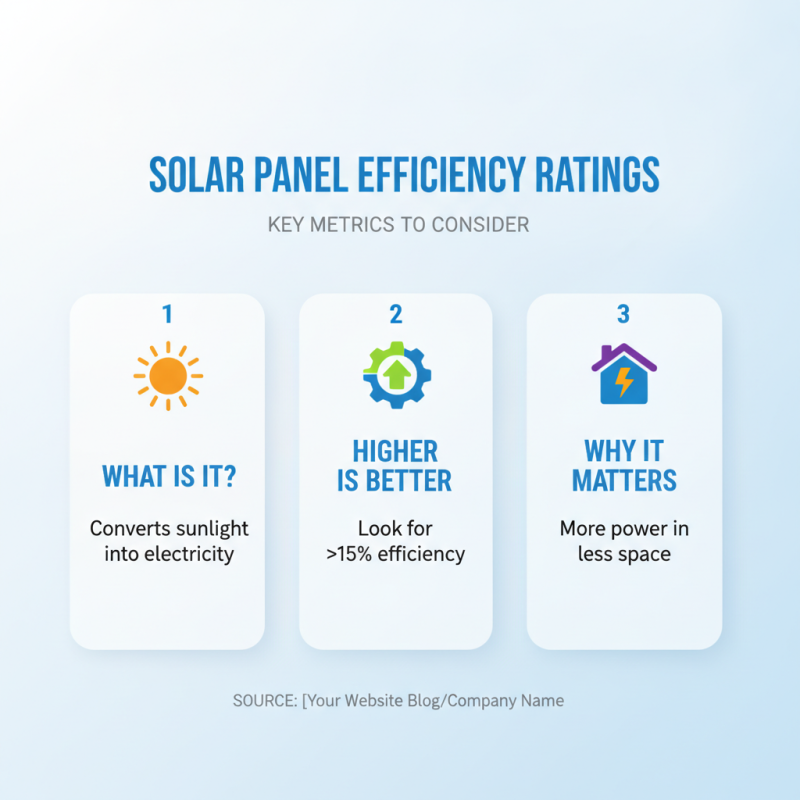
When selecting a solar panel system for your home, assessing efficiency ratings is crucial. Efficiency metrics help you understand how well panels convert sunlight into electricity. Look for panels with higher efficiency ratings, typically above 15%. Higher ratings often mean better performance, especially in limited space.
Another key metric to consider is the degradation rate. This tells you how much efficiency a panel loses over time. A lower degradation rate indicates longevity, ensuring your system remains effective for years. You may find that some panels lose efficiency faster than others. Carefully weigh this factor in your decision-making process.
Beyond efficiency, consider the overall power output. An average solar panel produces 250 to 400 watts. Depending on your energy needs, you may require multiple panels. It’s essential to analyze your average electricity consumption and match it to the system's power output. Remember, not all systems are equal; the better the match, the more sustainable and cost-effective your energy solution will be. Don't rush; take time to explore all available options.
Navigating Solar Incentives and Rebates: Maximizing Financial Benefits
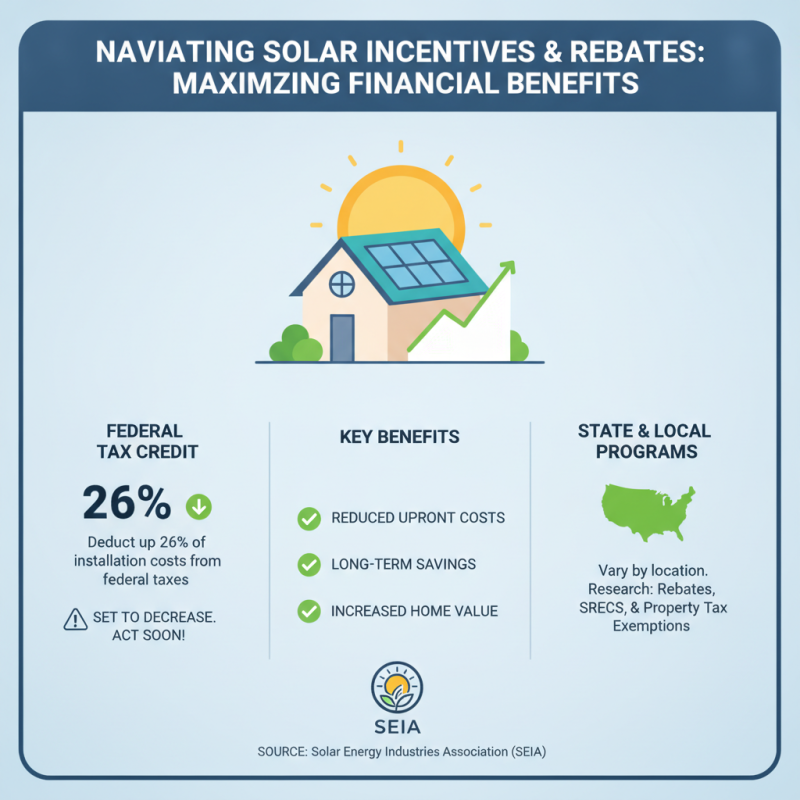
Navigating solar incentives and rebates can significantly impact the financial viability of a solar panel system for your home. According to the Solar Energy Industries Association (SEIA), homeowners can benefit from a federal tax credit that allows them to deduct up to 26% of the installation costs from their federal taxes. This credit is set to decrease in the coming years, making it crucial to act soon.
State-specific incentives vary greatly. For instance, California offers additional rebates and net metering benefits, which can lead to substantial savings. A report from the National Renewable Energy Laboratory (NREL) shows that these incentives can reduce the payback period for a solar investment by up to five years. However, not all states are equally generous. Some may lack or even phase out these programs, which means homeowners should carefully research their local regulations.
Investing time in understanding your options is essential. While the financial benefits are attractive, the process can be complex. Missing out on available incentives may result in frustration and added costs. It’s important to stay informed about changing legislation and to assess your specific circumstances thoroughly. Regularly checking for updates can maximize your financial benefits and help you make an informed decision about your solar energy investment.
Choosing the Right Installer: Credentials and Experience Matter
When selecting a solar panel system for your home, the choice of installer is critical. Credentials and experience play a significant role in ensuring a successful installation. A qualified installer should have relevant certifications and training in solar technology. Look for evidence of their work and customer reviews. This ensures reliability and an understanding of local regulations.
Experience matters deeply in this industry. Installers with years of hands-on practice tend to troubleshoot effectively and adapt their methods. They know the common pitfalls to avoid. You might encounter some installers who overpromise on quick installations. It’s essential to question these claims. A thorough, careful installation outweighs a rushed job. Quality over speed is key.
Additionally, consider the installer’s communication style. Clear explanations about the solar system and its benefits are vital. Some installers may be less responsive. This can lead to frustrations later. Make sure you feel comfortable asking questions. Your investment is substantial; feeling secure in your choice is crucial. Always research, and don’t settle for the first option.