What is Solar Energy and How Does Solar Power Work?
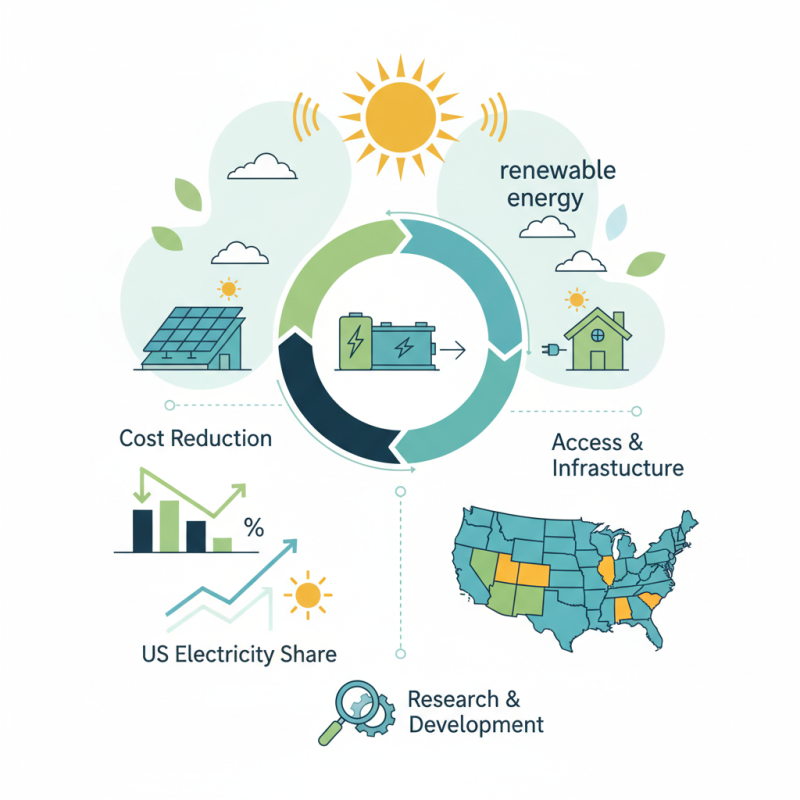
Solar energy has become a crucial part of our renewable energy landscape. As of 2023, it accounts for nearly 10% of the total electricity generation in the United States. This shift reflects a growing awareness of climate change and energy independence. Many households and businesses are now investing in solar power systems.
The technology behind solar energy is fascinating. Solar panels convert sunlight directly into electricity through photovoltaic cells. This process harnesses sunlight's abundant nature, making solar energy a viable resource. However, the initial setup costs can be a barrier. Many potential users hesitate due to financial considerations.
In recent years, advancements have driven down costs significantly. Reports show that the price of solar panels has decreased by over 80% since 2010. Yet, despite these improvements, not everyone has access to solar technology. Some regions lack the infrastructure to support widespread adoption. This presents an opportunity for further research and development in solar energy solutions.
Definition of Solar Energy and Its Importance
Solar energy is the energy harnessed from the sun’s light and heat. It is a clean and renewable source of power. In 2021, solar energy contributed about 3.5% of the total energy produced globally, according to the International Renewable Energy Agency (IRENA). This percentage is rising each year as technology advances and costs decrease. Solar power is important because it reduces dependence on fossil fuels. This shift helps combat climate change.
The significance of solar energy lies in its sustainability. Solar panels convert sunlight directly into electricity. This process has very low environmental impacts compared to traditional energy sources. A statistical report from the Solar Energy Industries Association states that solar jobs grew by 167% between 2010 and 2021. The growth reflects an increasing need for clean energy solutions.
Despite its benefits, challenges remain. Solar energy can be unreliable as it depends on weather conditions. Nighttime and cloudy days limit energy production. The inefficiency of some solar technologies leads to energy loss. Moreover, integrating solar power into existing grids poses logistical issues. We need more investment in research and development to improve reliability.
Basic Principles of Solar Power Generation
Solar power generation relies on harnessing sunlight to produce electricity. At the core of this process are solar panels, which convert sunlight into electrical energy. These panels contain photovoltaic cells. They absorb photons from sunlight and create an electric current. This technology is quite remarkable, yet it still has its limitations.
The efficiency of solar panels can vary significantly. Many factors influence how well they work. The angle of sunlight, weather conditions, and dirt on panels can reduce their performance. In some areas, long periods of cloudy weather can limit energy production. Homeowners must consider these elements. Positioning panels for maximum sunlight exposure is essential but not always feasible.
Maintenance is also crucial for optimal output. Dust and debris can obstruct sunlight, lowering efficiency. Cleaning panels regularly may seem tedious but can enhance energy generation. Understanding the basic principles of solar power allows for better decision-making. Being aware of potential challenges helps one appreciate solar energy's value in a sustainable future.
Types of Solar Panels and Their Functions
When exploring solar energy, it's essential to understand the types of solar panels available. There are mainly three categories: monocrystalline, polycrystalline, and thin-film panels. Monocrystalline panels are known for their high efficiency. They require less space and often come with a sleek design. However, they can be more expensive than other options.
Polycrystalline panels are made from multiple silicon crystals. They are generally less efficient but are more affordable. This balance makes them a popular choice for residential solar installations. Then there's thin-film technology, which is flexible and lightweight. These panels can be used in various applications, but they typically have lower efficiency levels.
Choosing the right type involves weighing various factors. Installation space, budget, and energy needs play crucial roles. Sometimes, the most efficient option may not be the best fit. Reflection on these elements is key. Each panel type has its strengths and weaknesses. Finding the ideal fit can be challenging but rewarding.
Types of Solar Panels and Their Efficiency
How Solar Energy is Converted to Electricity
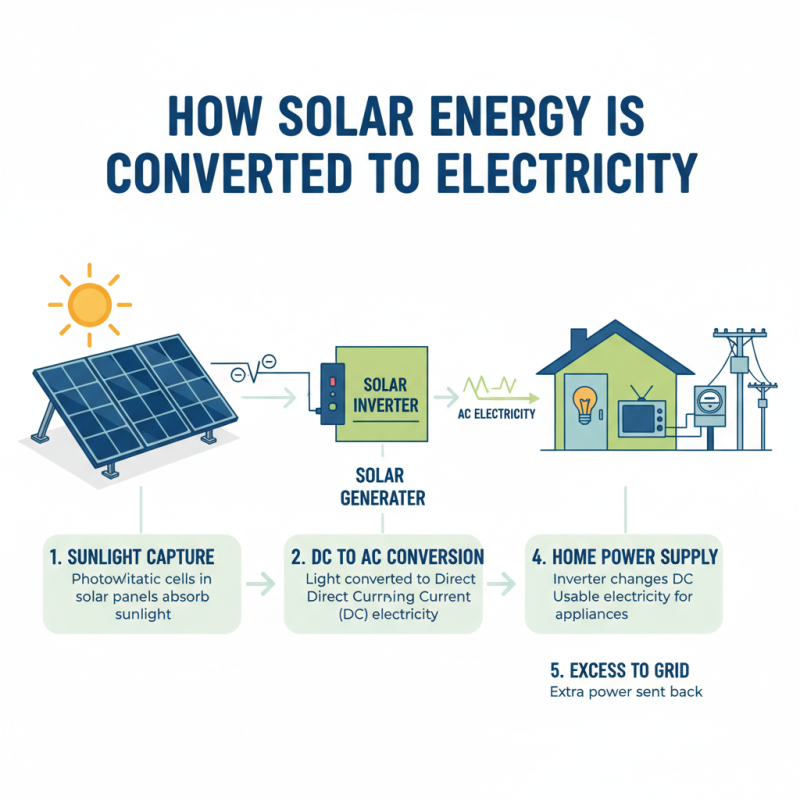
Solar energy harnesses sunlight and transforms it into electricity. This process begins with solar panels, which capture sunlight using photovoltaic cells. These cells convert light into direct current (DC) electricity. However, this electricity cannot be used directly in homes.
To make solar energy usable, an inverter is necessary. The inverter changes DC electricity into alternating current (AC), the standard form for household energy. Once converted, electricity flows into your home and powers appliances. This system requires careful installation and positioning. Obstructions like trees or buildings can reduce efficiency.
Tips: Regular maintenance is key. Clean your panels to remove dirt and debris. Aim for optimal sunlight exposure by trimming nearby trees. Assess your energy needs accurately. Oversizing your system can lead to wasted resources. Not every location is suitable for solar energy.
Not all solar installations work seamlessly. Some homeowners face issues with shading or installation errors. Understanding these factors is essential before committing. A thorough evaluation of your site can prevent future headaches.
Applications and Benefits of Solar Power in Daily Life
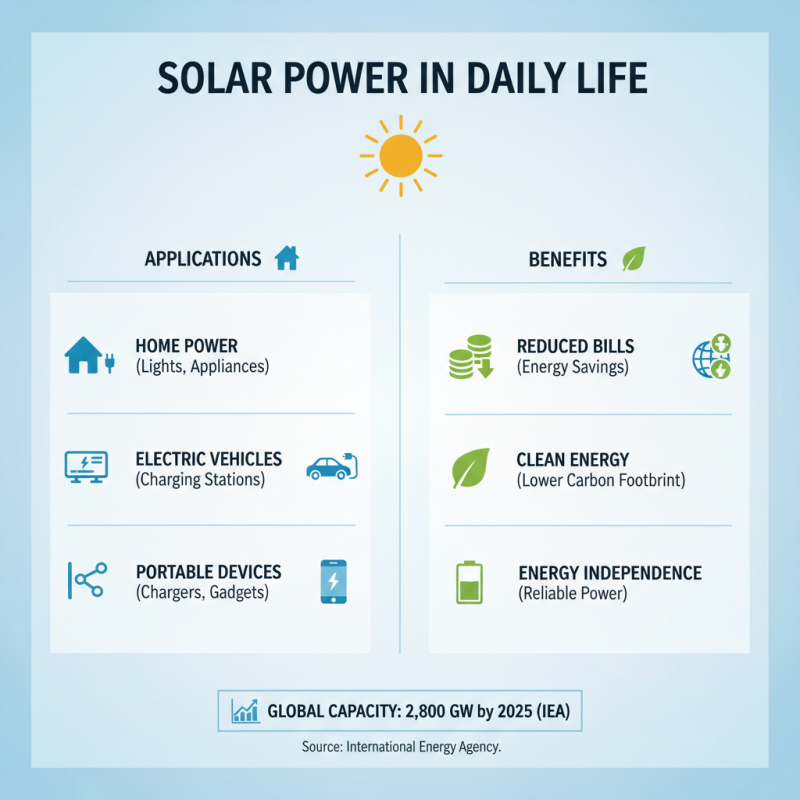
Solar power has become a key player in energy production. Its applications in daily life are vast and varied. From powering homes to fueling electric vehicles, solar energy offers practical solutions that reduce reliance on fossil fuels. According to the International Energy Agency, solar energy production could reach 2,800 gigawatts by 2025. This growth reflects a growing acceptance and reliance on renewable energy sources.
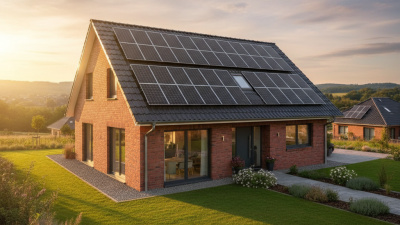
Residential solar systems can significantly lower electricity bills. On average, homeowners save about $1,500 annually. Many people are installing solar panels to take advantage of these savings. However, initial costs can be a barrier. Some families struggle to afford the upfront investment. Financial incentives exist, but they may not cover all expenses.
Businesses are also adopting solar technology. From small shops to large corporations, solar energy is becoming a staple. A study by the National Renewable Energy Laboratory showed that companies that switched to solar saw a reduction in operating costs by up to 70%. Still, many face challenges in scaling up their operations. Limited space for solar installations hampers growth in urban areas. Reflections on these challenges show the need for better solutions and funding.