2026 How to Choose the Best Off Grid Solar Power System?
As the world shifts toward sustainability, the demand for an Off Grid Solar Power System is on the rise. With reduced reliance on traditional energy sources, many homeowners and businesses seek autonomy in energy production. This transition offers numerous benefits but comes with its own set of challenges.
Choosing the best Off Grid Solar Power System requires careful consideration. Factors such as energy needs, location, and budget play crucial roles in this decision-making process. It's essential to assess the unique requirements of your lifestyle. Each situation is different, and what works for one may not suit another.
Experts recommend evaluating various components of solar systems, including panels, batteries, and inverters. However, not every system fits all environments. There may be gaps in understanding the total costs involved, such as installation and maintenance. Taking the time to research and consult professionals will lead to a more reliable and efficient solar solution.
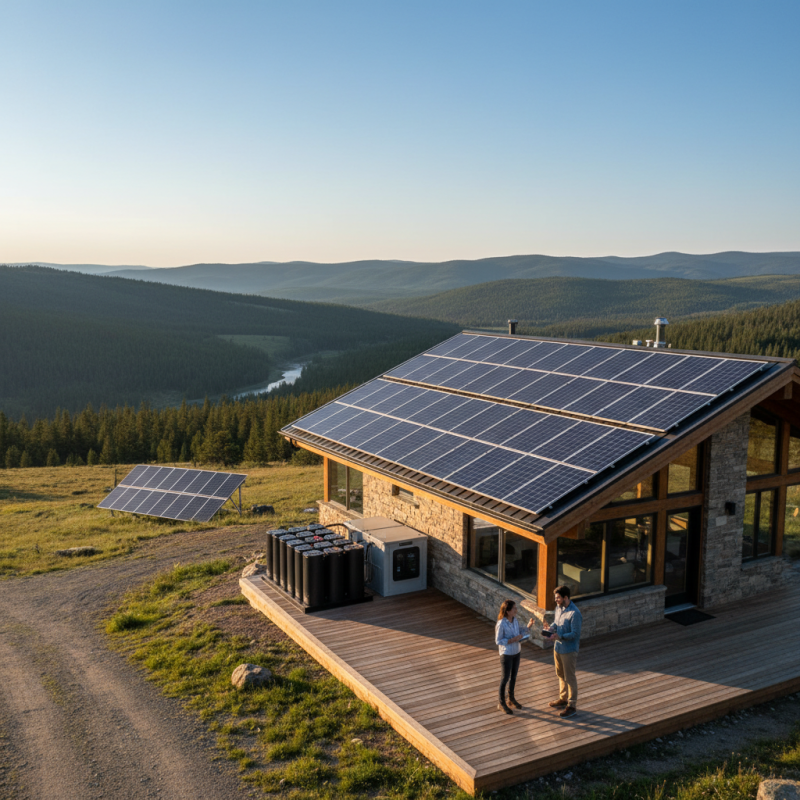
Understanding Off Grid Solar Power Systems and Their Benefits
Off-grid solar power systems provide independence from the traditional power grid. They capture sunlight and convert it into usable electricity.
These systems often include solar panels, batteries, and an inverter. Each component plays a vital role in efficiency and reliability. Understanding how they combine can enhance your off-grid experience.
The benefits are significant. Reduced energy bills are a major draw. Many users also appreciate the environmental impact.
Solar energy is renewable and reduces carbon footprints. However, the initial investment can be daunting. Sizing the system correctly is crucial, as undersized systems may lead to energy shortages. Overestimating needs can result in wasted resources.
Choosing the correct system involves careful planning. Assess energy needs, local weather, and budget. Research is necessary to ensure a well-informed decision. Connecting with experienced users can offer valuable insights. While off-grid solar systems can empower homeowners, they require commitment and adaptability. Each situation may highlight unique challenges that need addressing.
Key Factors to Consider When Choosing an Off Grid Solar Power System
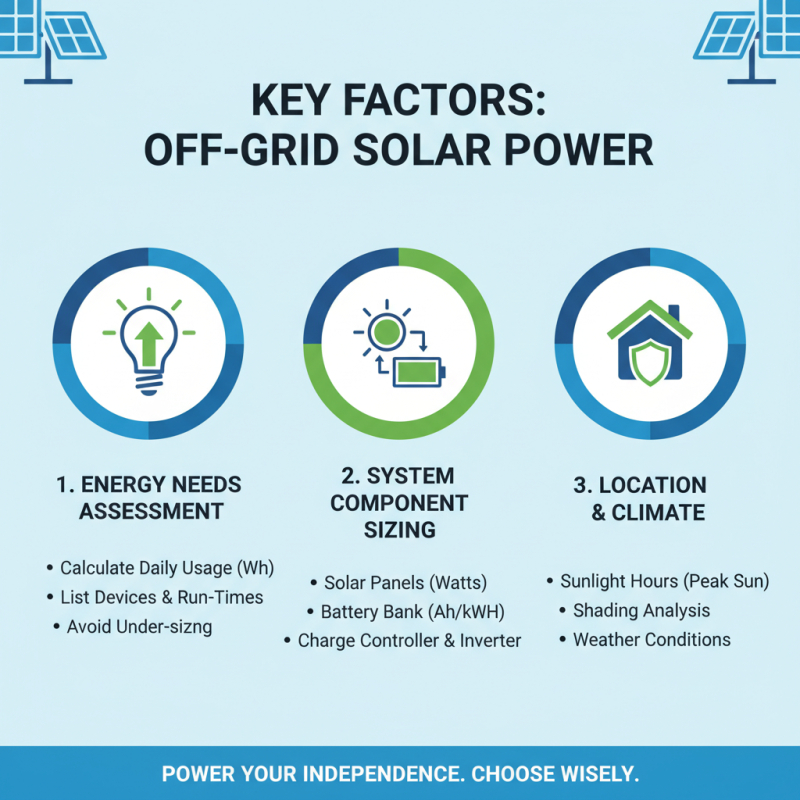
Choosing the right off-grid solar power system requires careful consideration of several key factors. First, assess your energy needs. Calculate daily usage by determining the number of devices you need to power. This helps in sizing the solar panels and battery storage appropriately. A misunderstanding of your energy consumption could lead to an inadequate system, resulting in frustration and inefficiency.
Next, consider the location for installation. Sunlight availability is crucial. Areas with frequent cloudy weather or heavy shade might require larger systems to meet energy demands. Additionally, installation space is vital. You may need a roof or ground area free from obstructions. Ensure your chosen location can accommodate the system's size.
Battery storage cannot be overlooked. It plays a vital role in providing energy during nighttime or cloudy days. Lithium-ion batteries offer longevity but can be costly. Lead-acid batteries are cheaper but have shorter lifespan. Evaluating options based on your budget versus longevity is a challenge many face. Lastly, system maintenance is essential. Some systems require more upkeep than others, so consider your willingness to maintain the system long-term. This awareness can save time and resources.
Evaluating Your Energy Needs for an Off Grid Solar Setup
When evaluating your energy needs for an off-grid solar power setup, start by understanding your daily energy consumption. Calculate the wattage of your appliances. Create a list of items you commonly use, like lights, refrigerators, and electronics. Note their power requirements. This will give you a clearer picture of your total energy needs.
Next, consider your energy usage patterns. Do you use more power during the day or at night? Identify peak times. This information is crucial for sizing your solar power system. You may need batteries for energy storage, especially if your usage is high during nighttime. A common mistake is underestimating future energy needs. If you plan to expand or buy more appliances, factor that in now.
Lastly, think about environmental factors. Where you live may influence solar efficiency. Shade from trees or buildings can impact performance. An often overlooked aspect is maintenance. Solar panels require regular cleaning and occasional inspections. Being aware of these details helps create a reliable solar power system for your needs.
2026 How to Choose the Best Off Grid Solar Power System? - Evaluating Your Energy Needs for an Off Grid Solar Setup
| Energy Needs (kWh/day) |
Recommended Solar Panel Wattage |
Battery Storage Capacity (kWh) |
Estimated System Cost (USD) |
| 5 |
100-200 W |
3-5 |
$1,500 - $3,000 |
| 10 |
200-400 W |
5-10 |
$3,000 - $6,000 |
| 20 |
400-800 W |
10-15 |
$6,000 - $12,000 |
| 30 |
800-1200 W |
15-20 |
$12,000 - $18,000 |
| 50 |
1200-1600 W |
20-30 |
$18,000 - $25,000 |
Comparing Different Types of Off Grid Solar Power Components
When selecting off-grid solar power components, understanding their functions is crucial. Solar panels are the heart of the system. They convert sunlight into electricity. Different types include monocrystalline and polycrystalline panels. Each has its efficiency and cost-effectiveness. Monocrystalline panels are often more efficient but come at a higher price.
Batteries are also significant. They store excess energy for use at night or during cloudy days. Lead-acid and lithium-ion batteries are common choices. Lead-acid batteries are cheaper but less efficient. Lithium-ion batteries last longer and require less maintenance. However, they have a higher upfront cost.
Don't overlook the inverter. It converts stored DC energy into AC power for household use. Some inverters come with additional features, like monitoring systems. These can help track energy production and consumption. While investing in quality components is essential, it's also worth considering the long-term maintenance and replacement costs. A system that's efficient today may require more upkeep later on. Therefore, research and reflection are key in making the best choice for your off-grid solar power setup.
Budgeting and Financial Considerations for Off Grid Solar Systems
When considering an off-grid solar power system, budgeting is crucial. The average initial investment ranges from
$15,000 to $30,000 for a residential setup. This includes solar panels, inverters, batteries, and installation costs.
Financial planners often recommend allocating about 15% of your home budget to renewable energy projects. An EnergySage report indicates that consumers can save between
20% to 30% on energy bills after installation.
Financing options also play a significant role. Many homeowners might consider solar loans, which generally have interest rates between 3% to 9%.
A 2022 Solar Market Insight Report noted that about 30% of solar installations are financed through loans.
This can help ease high upfront costs. However, financial flexibility is essential; some homeowners find long-term loans burdensome after natural disasters or personal setbacks.
Additionally, incentives are vital for reducing overall spending. Federal tax credits can cover up to 30% of the system cost.
However, these incentives could change based on political climates and economic trends. It's wise to stay updated on policy changes.
Budgeting for potential maintenance and upgrades is equally important. Solar systems can face wear and tear, adding unanticipated costs over time.
Balancing initial costs with long-term savings requires careful deliberation.