How to Choose the Best Solar Photovoltaic System for Your Needs?
Choosing the right Solar Photovoltaic System can be overwhelming. It requires careful consideration of several factors. Dr. Emily Carter, a leading expert in renewable energy, states, “Investing in the right solar technology can make or break your energy savings.” This highlights the importance of informed decision-making.
Understanding your energy needs is key. Home size, usage patterns, and local climate all play a role. A system that works well in one area might not be effective in another. It’s also crucial to assess the technology available. Some systems offer advanced efficiency, while others might be more affordable but less effective.
Installation and maintenance are further aspects to ponder. A reliable provider should guide you through the process. You might face challenges. For instance, unexpected costs can arise. Reflecting on these factors can lead to a more reliable investment. Making an informed choice about your Solar Photovoltaic System could yield long-term benefits.
Understanding Your Energy Needs and Usage Patterns
When selecting a solar photovoltaic (PV) system, understanding your energy needs is crucial. According to a report by the U.S. Department of Energy, residential energy consumption averages about 877 kWh per month. Your actual usage may vary, influenced by factors like family size, appliance efficiency, and lifestyle. This means that evaluating your current energy bills can provide valuable insights into your consumption patterns.
Energy audits can help clarify your needs. Use tools that track usage in real-time. A home energy management system can reveal peak usage times and energy waste. Research estimates that about 30% of energy in homes is wasted. Identifying these areas can optimize your solar system's design.
Consider also seasonal trends. Research shows that energy usage often spikes in summer due to air conditioning. Installing a solar system that sizes appropriately for seasonal variations is vital. Not all systems can accommodate increased demand effectively. Hence, reflect on your unique energy patterns and anticipate future needs. Balancing current usage with potential growth will ensure a more efficient solar investment.
Evaluating Different Types of Solar Photovoltaic Systems
When evaluating different types of solar photovoltaic systems, it’s essential to consider their efficiency and application. There are several main types: monocrystalline, polycrystalline, and thin-film systems. According to the National Renewable Energy Laboratory, monocrystalline panels have the highest efficiency rates, often exceeding 20%. They work well in limited space, making them ideal for residential areas.
Polycrystalline systems are generally less expensive. However, they offer lower efficiency, hovering around 15-17%. This makes them suitable for larger installations where space is not a constraint. Thin-film systems are lightweight and flexible but usually have the lowest efficiency, ranging from 10 to 12%. They are often utilized in specific applications where traditional panels might be too bulky.
**Tip**: Assess your roof space and energy needs before choosing a system. Understanding your average energy consumption can help you balance costs and efficiency.
Additionally, consider local climate conditions. A study by the Solar Energy Industries Association shows that solar panel performance can fluctuate based on temperature and sunlight exposure. Systems that perform well in one region may not be the best fit for another.
**Tip**: Consult with local experts to ensure you select a system tailored to your conditions. Their insights can shed light on potential challenges and performance expectations.
Assessing Your Roof Space and Sunlight Exposure
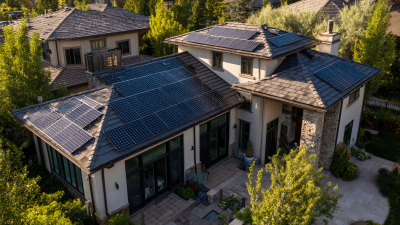
Assessing your roof space and sunlight exposure is crucial when choosing a solar photovoltaic system. Start by measuring your roof dimensions. You want to know how much space you can allocate for solar panels. This area should be free of obstructions like chimneys or trees. Consider that even small shadows can significantly reduce efficiency.
Tips: Use a smartphone app to track sunlight exposure throughout the day. This can help identify optimal panel placement. Remember, different roof angles capture sunlight differently. A flat roof might need a mounting system for better angles.
Next, evaluate the direction your roof faces. South-facing roofs typically capture the most sunlight. If yours doesn’t face south, don’t worry. West and east orientations can still be effective. Just be aware that energy production may vary throughout the day.
Tips: Consult local solar experts to analyze your specific situation. They can offer insights on how to maximize your system's efficiency. Keep in mind, even the best systems can perform below expectations due to environmental factors. Regular monitoring and maintenance are essential to ensure optimal energy production.
Comparing Costs and Incentives for Solar Installations
When considering solar photovoltaic systems, understanding costs and incentives is crucial. Solar installation expenses can vary greatly. Factors include system size, panel type, and installation complexity. Typical costs can range from thousands to tens of thousands of dollars. A detailed calculation based on your energy needs will provide a clearer picture.
Incentives can significantly lower your investment. Federal tax credits and state rebates offer financial relief. Some regions provide additional benefits, such as net metering. However, these programs can change frequently, making it vital to stay informed. A missed opportunity for an incentive can lead to increased overall costs.
Navigating costs and incentives can feel overwhelming. Local regulations may complicate decisions. Researching each potential benefit requires time and effort. Understanding your local market offers clarity. Engaging with solar energy experts can provide valuable insights and help avoid pitfalls. Ultimately, the right solar system should fit both your budget and energy goals.
Choosing a Qualified Installer and Maintenance Options
Choosing the right installer for your solar photovoltaic system is crucial. A qualified installer brings expertise and professionalism to the project. Look for certifications and customer reviews. Verify their experience in similar installations. This often indicates reliability and quality in their work.
Consider maintenance options as well. Regular maintenance can extend the life of your solar system. Some companies may offer comprehensive packages, while others might have pay-per-service models. Assess your budget and needs before making a decision.
Not every installer will meet your expectations. It’s essential to ask questions and seek clarity on warranties and service guarantees. The solar industry is evolving, and installers should stay nearly current with trends. Reflect on these points when making your choice.