How to Choose the Best Solar Photovoltaic Cell for Your Needs?
Choosing the right solar photovoltaic cell is a crucial decision. Your choice impacts energy efficiency. Different types of solar cells offer unique benefits. It’s essential to understand these differences before making a purchase.
Quality varies among manufacturers. Some brands are more reliable and have better customer reviews. Look for those with proven expertise in solar technology. Research can help identify the right options for your needs.
Consider your energy requirements and budget. The type of installation also matters. Are you planning for a small home or a large commercial project? Understanding these specifics will guide you toward the ideal solar photovoltaic cell. Make informed choices that reflect your unique situation.
Understanding Solar Photovoltaic Cells and Their Functionality
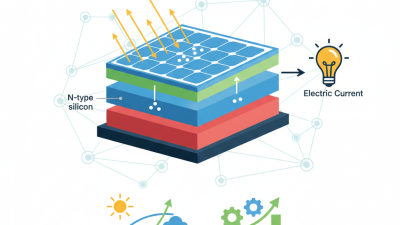
Solar photovoltaic (PV) cells are crucial for converting sunlight into electricity. These cells are made from semiconductor materials, typically silicon. When sunlight hits the cells, it excites electrons, generating electrical current. This process is called the photovoltaic effect.
Understanding how these cells function helps in making informed choices. Efficiency is key. High-efficiency cells convert more sunlight into electricity, but they often come at a higher cost. Consider your typical sunlight exposure as well. If you live in a cloudy area, investing in more efficient cells might be worthwhile.
Monitoring the performance of your PV system is vital. Keep an eye on energy output. Regular maintenance ensures optimal function. Some users overlook the importance of this. Environmental factors and installation angles also impact efficiency. Making informed decisions about positioning can enhance performance. This complexity can be daunting for many. Reflection on these factors is essential for maximizing solar energy benefits.
Evaluating Your Energy Needs and Goals for Solar Systems
When evaluating your energy needs for a solar system, begin with a detailed assessment of your current electricity usage. According to the U.S. Energy Information Administration, the average American household consumes about 877 kWh per month. This number serves as a useful benchmark. However, individual needs vary based on factors like home size and energy efficiency.
Consider your long-term energy goals. Are you aiming for complete independence from the grid or just looking to reduce your carbon footprint? A study from the National Renewable Energy Laboratory indicates that solar systems can typically cover 50-100% of a homeowner's energy needs. This flexibility allows you to choose a system that aligns with your goals.
**Tips:** Calculate your energy consumption over the past year. Look at your electrical bills to get precise figures. Set realistic expectations for solar output, as factors like local climate impact efficiency. Reflect on how your energy habits may change in the future. Small adjustments now can lead to more accurate solar needs assessments later on. Remember, while solar energy is promising, it may not be the perfect fit for everyone.
Comparing Different Types of Solar Cells: Monocrystalline vs. Polycrystalline
When selecting solar photovoltaic cells, understanding the differences between monocrystalline and polycrystalline cells is crucial. Monocrystalline cells are known for their high efficiency and sleek appearance. They are made from a single crystal structure, which allows them to perform better in low-light conditions. These cells typically require less space, making them suitable for residential installations with limited roof area.
Polycrystalline cells, on the other hand, are made from multiple crystal structures. They are generally less expensive but have lower efficiency rates. These cells are ideal for larger installations where space is not a primary concern. However, some homeowners may find the blue hue and slightly bulkier design less appealing. Evaluating both options will help you determine which fits your needs better.
Tips: Consider your budget and installation space before making a decision. If you have a limited area, monocrystalline may be the way to go. Think about the design aesthetics of your home. If the appearance matters, choose wisely. Do the efficiency ratings align with your energy goals? Always compare the warranties offered, as they can indicate longevity and reliability.
Factors to Consider: Efficiency, Durability, and Warranty Options
When choosing solar photovoltaic cells, efficiency is paramount. The efficiency of a solar cell determines how much sunlight it can convert into usable energy. According to the National Renewable Energy Laboratory (NREL), high-efficiency cells can exceed 22% efficiency rates. This means they generate more electricity, making them ideal for areas with limited roof space. However, lower efficiency panels often come at a more affordable price, which may be suitable for larger installations.
Durability greatly affects long-term performance. Most high-quality solar panels come with a lifespan of 25 years or more. The Institute for Solar Energy Research estimates that up to 90% of solar panels last at least 20 years without significant degradation. It's crucial to check the materials used in the construction. Panels made from durable materials like tempered glass tend to offer better weather resistance. Exposure to extreme weather can impact performance, requiring careful consideration of local climates.
Warranty options also play a crucial role in decision-making. Reliable warranties typically span 25 years for performance. Additionally, manufacturers often provide product warranties for 10 to 15 years. A strong warranty indicates a manufacturer’s confidence in their product's longevity. Remember, warranty terms and conditions can vary widely. It is wise to read the fine print before making a decision, as it can sometimes reveal gaps in coverage.
Budgeting and Incentives: Cost Considerations for Solar Cell Purchase
When considering solar photovoltaic cells, budgeting is essential.
The initial cost of solar cells can be significant. Homeowners often underestimate installation costs and additional components. These factors can influence your solar investment. It helps to create a detailed budget that includes potential hidden costs. Assess your financial capacity before diving into solar technology.
Incentives play a vital role in making solar more affordable. Governments and local authorities offer various rebates and tax credits. Researching these incentives can significantly lower your overall expenditure. Some regions even have grants to assist with installation. Understanding these options can ease the financial burden. However, it’s crucial to remain aware of the deadlines for these incentives.
Lack of thorough research could lead to missed opportunities. Evaluating different financing options can lead to better choices. Many consumers overlook such alternatives, which can be regrettable later. It’s essential to weigh immediate costs against long-term savings. Your choices today will impact your finances for years to come. Consider discussing your options with a financial advisor.