How to Choose the Best Solar Photovoltaic Cell for Your Needs?
Choosing the right Solar Photovoltaic Cell can significantly impact your energy efficiency and cost savings. Dr. Emily Carter, a leading expert in renewable energy, states, "Selecting the ideal solar cell requires careful consideration of your unique energy needs." Her words resonate as the solar market evolves, offering various technologies and products.
Understanding specific requirements is essential. Are you looking for high efficiency, cost-effectiveness, or durability? Each Solar Photovoltaic Cell comes with unique features. Some excel in low-light environments while others generate more power in direct sunlight. This diversity creates confusion for many buyers.
Many consumers feel overwhelmed by the choices. It’s not just about going solar; it’s about making an informed decision. Researching and comparing different solar cells can lead to mistakes. Expert advice becomes vital here. Consider not just price but also warranties and performance metrics. Balancing these elements can ensure a smart investment.
Understanding the Basics of Solar Photovoltaic Cells
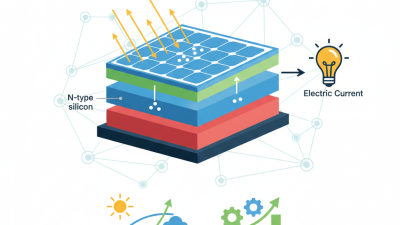
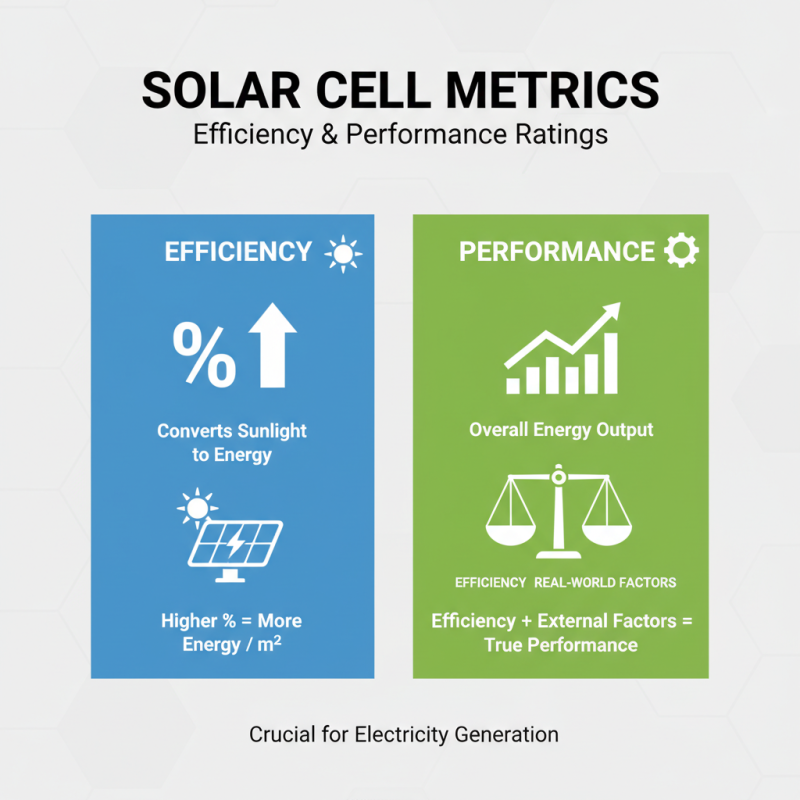
Understanding solar photovoltaic cells is essential for effective energy solutions. These cells convert sunlight into electricity, and their efficiency affects overall performance. In 2022, the average efficiency of commercial solar cells was around 20-22%, according to the International Energy Agency. High-efficiency cells can enhance energy output, making them an attractive option for various applications.
When choosing a solar cell, consider your power requirements and environmental conditions. For instance, monocrystalline cells may perform better in low light, while thin-film options could be more flexible for unique installations. Data from the U.S. Department of Energy indicates that the total installed solar capacity surpassed 140 GW in 2021, highlighting the increasing demand for reliable solar solutions.
Tips: Evaluate the local climate. Regions with high sunshine hours benefit from high-efficiency cells. Assess your energy needs before making a purchase. Many people underestimate the importance of proper installation and maintenance. Solar panels require an optimal angle and regular cleaning for best performance.
Key Factors to Consider When Choosing Solar Photovoltaic Cells
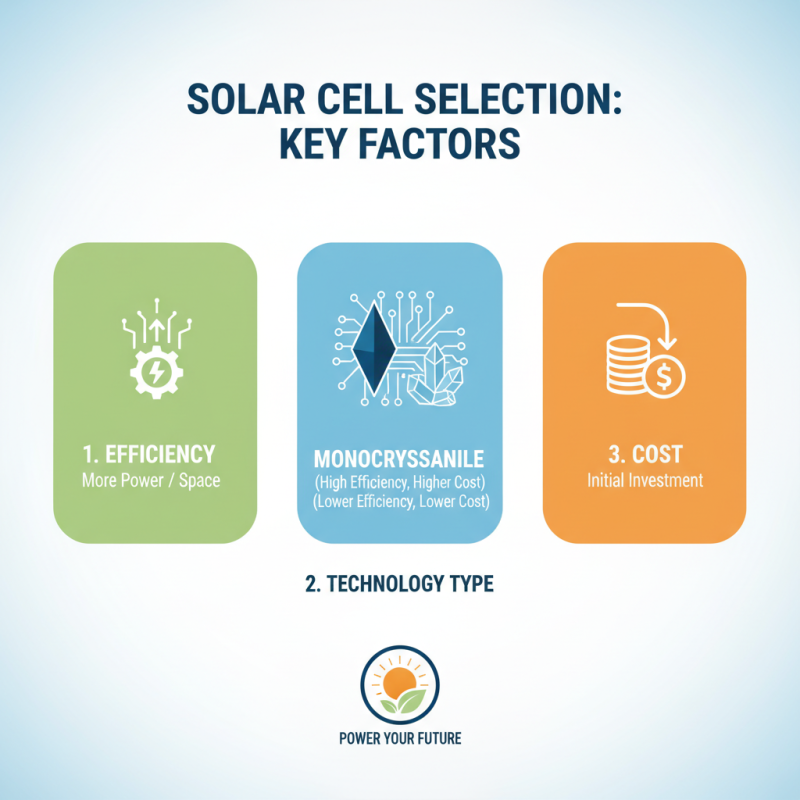
When selecting solar photovoltaic cells, various factors come into play. Efficiency often tops the priority list. Higher efficiency means more power generation for your space. Look for cells that convert sunlight effectively. The technology behind the cells matters. Monocrystalline cells are known for high efficiency but can be pricier. Polycrystalline options are more affordable, yet slightly less efficient.
Consider the durability of the cells. Solar panels should withstand harsh weather conditions. Check for certifications that indicate reliability. Some panels offer warranties of up to 25 years, showcasing confidence in their lifespan. Moreover, ensure they meet global safety standards. This adds a layer of assurance.
Tips: Choose panels based on your environment. If you live in a shaded area, opt for technology designed to maximize output in such conditions. Investigate local regulations that could affect installation. Understanding your solar needs is crucial. Reflect on whether your energy demands might change in the future. Flexibility can be key in the decision-making process.
Comparing Different Types of Solar Photovoltaic Technologies
When choosing a solar photovoltaic cell, understanding the different types available is crucial. There are primarily three types: monocrystalline, polycrystalline, and thin-film solar cells. Each type has its strengths and weaknesses, impacting efficiency and cost. Monocrystalline cells are typically the most efficient, with an average efficiency rating of around 20-22%. However, they also tend to be pricier than other options.
Polycrystalline cells are often seen as a balance between efficiency and cost. Their efficiency generally ranges from 15% to 20%. While less efficient than monocrystalline cells, they can be a more viable option for those on a budget. Thin-film solar cells have the lowest efficiency, averaging 10-12%. Yet, their lightweight and flexibility lend themselves to specific installations, such as curved surfaces.
In evaluating these technologies, consider your space and energy needs. A 2020 report by the National Renewable Energy Laboratory indicated that installation costs for solar panels vary significantly by type, affecting long-term savings. Additionally, environmental conditions may impact performance. While monocrystalline cells perform better in low-light areas, polycrystalline cells may struggle. Reflecting on these factors is essential for making an informed decision.
How to Choose the Best Solar Photovoltaic Cell for Your Needs?
| Type of Solar Cell |
Efficiency (%) |
Lifespan (Years) |
Cost ($/W) |
Best Use Case |
| Monocrystalline |
15-22 |
25-30 |
0.70-1.20 |
Limited space, high efficiency needs |
| Polycrystalline |
13-17 |
20-25 |
0.60-1.00 |
Budget-friendly installations |
| Thin Film |
10-12 |
10-20 |
0.40-0.90 |
Large spaces, flexible installations |
| Bifacial |
15-22 |
25-30 |
0.80-1.50 |
High albedo surfaces, dual-use applications |
Assessing Cost-Effectiveness and Return on Investment for Solar Cells
Investing in solar photovoltaic cells can be a game-changer for many homeowners. The return on investment (ROI) is a pivotal factor when choosing these systems. To assess cost-effectiveness, start by looking at installation costs and potential savings on utility bills. Calculate how long it will take for the system to pay for itself through energy savings. This timeline is crucial for understanding if the investment aligns with your financial goals.
Another important factor is the lifespan of the solar cells. Generally, quality panels can last 25 years or more. However, performance may decline over time. Sometimes, a lower upfront cost can lead to higher long-term expenses due to decreased efficiency or earlier replacements. Researching warranties and performance guarantees can provide insights into the durability and reliability of your selected system.
Don't forget the local incentives available for solar installation. Tax credits or rebates can significantly enhance your ROI. However, these programs can change quickly. Stay updated on regulations in your area to ensure you benefit fully. It’s essential to approach this investment with careful consideration, balancing potential short-term gains with long-term sustainability.
Comparison of Cost-Effectiveness and ROI for Different Solar Photovoltaic Cells