How to Choose the Best Solar Energy System for Home Usage?
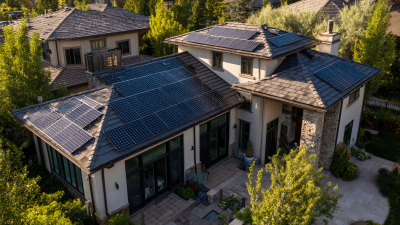
Choosing the right Solar Energy System Home is crucial for efficiency and cost savings. With increasing energy costs, many homeowners are seeking sustainable solutions. Solar energy systems can significantly reduce your electricity bills. However, selecting the best fit for your home can be challenging.
Factors such as your home’s energy consumption, roof size, and sunlight exposure play important roles. A professional assessment can help identify your needs. Understanding different solar technologies is also essential. There are various options, from photovoltaic panels to solar water heaters. Each system has its benefits and limitations.
Research is essential in this process. Look for credible reviews and expert opinions. Get multiple quotes to ensure you are making an informed decision. Remember, the ideal Solar Energy System Home can lead to long-term savings and environmental benefits. However, it requires careful consideration and planning.
Understanding Your Home's Energy Needs for Solar System Selection
Understanding your home's energy needs is crucial for selecting the right solar energy system. Start by evaluating your average monthly electricity consumption. Look at your utility bills over a year. This data reveals patterns in energy use. Identify peak usage times, such as during summer months when air conditioning is essential.
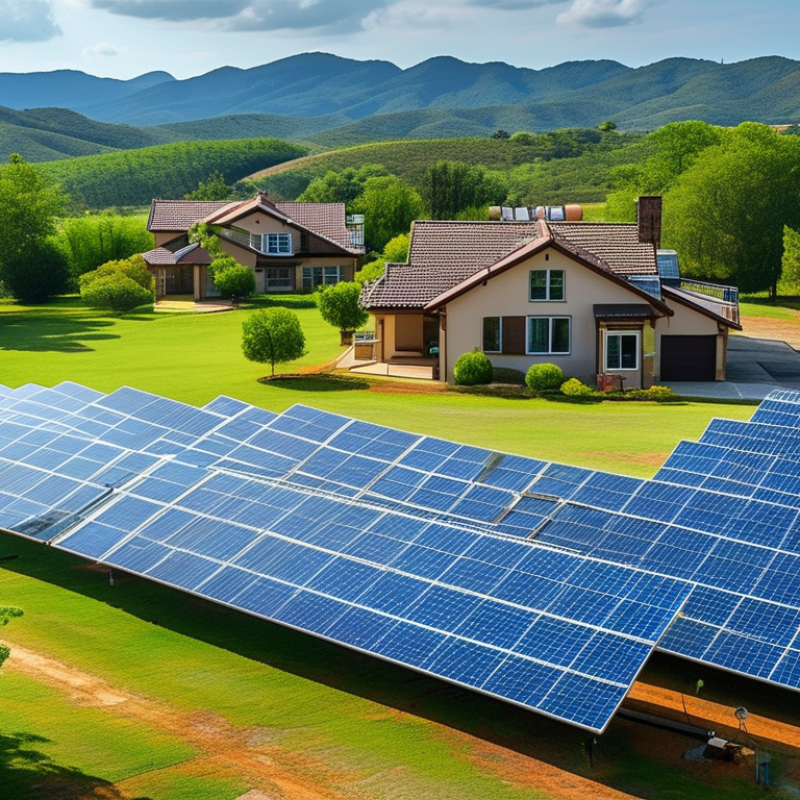
Next, consider your home's layout and roof space. A south-facing roof with minimal shading is ideal for solar panels. However, not everyone has this luxury. Trees or adjacent buildings may block sunlight. Think about the number of solar panels you can realistically install. This impacts how much energy you can generate.
It's also important to reflect on your future energy needs. Plans for new appliances or electric vehicles could change your consumption. Don't forget about battery storage options. Storing excess energy can enhance your energy independence. Balancing efficiency and cost is a challenge. Your choices today shape your energy future.
Evaluating Different Types of Solar Energy Systems Available for Homes
When considering solar energy systems for home usage, it’s essential to evaluate the available options. There are primarily three types: grid-tied, off-grid, and hybrid systems. According to the National Renewable Energy Laboratory (NREL), about 93% of solar installations in the U.S. are grid-tied. These systems connect to the local utility. They allow users to sell excess energy back to the grid, increasing savings.
Off-grid systems are less common but crucial for remote locations where electricity is unreliable. They require battery storage, which can increase initial costs by 30% or more. The Solar Energy Industries Association (SEIA) reports that battery storage is gaining traction, with a 200% increase in installations last year. However, they may not be necessary for everyone. Analyzing energy needs carefully can prevent overspending.
Hybrid systems combine features from both previous types, offering flexibility. They provide backup power during outages, but they can also be complex. Homeowners might struggle with system configurations. Each choice comes with financial implications, maintenance needs, and efficiency levels to assess. Investing in solar is significant, and thorough research will yield the best return.
Key Features to Consider When Choosing a Solar Energy System
When selecting a solar energy system for home usage, it's essential to examine various key features. Efficiency is a primary concern. A higher efficiency rate translates to more energy generation with less space occupied by panels. Consider the amount of sunlight your location receives throughout the year. This impacts how much energy your system can produce.
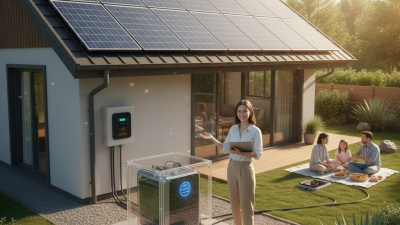
Battery storage is also critical. Solar energy systems with built-in or compatible batteries allow for energy storage. This ensures you have power during nighttime or cloudy days. Evaluate the capacity of the battery. A larger capacity means more stored energy but usually at a higher cost. Durability and warranty are additional aspects to weigh. Solar panels should withstand different weather conditions, so check the material and build quality.
Installation is another vital element. Professionals ensure proper setup for maximized efficiency. However, the installation process should be straightforward. Complicated systems can lead to increased costs and longer wait times. Don’t forget about regulations in your area. Local codes may dictate specific requirements for solar systems. This may complicate your decision if not addressed early on. It’s crucial to reflect on your choices and perhaps consult with an expert.
How to Choose the Best Solar Energy System for Home Usage? - Key Features to Consider When Choosing a Solar Energy System
| Feature |
Description |
Importance |
| System Type |
On-grid, off-grid or hybrid systems that best fit your energy needs. |
High |
| Energy Efficiency |
The percentage of sunlight converted into usable electricity. |
High |
| Inverter Quality |
The inverter's efficiency and reliability; critical for optimal performance. |
Moderate |
| Storage Options |
Battery systems for energy storage; essential for off-grid installations. |
High |
| Wattage |
Total wattage production capacity of solar panels installed. |
High |
| Durability |
Lifespan and weather resistance of panels and components. |
Moderate |
| Cost |
Initial installation cost versus long-term savings and incentives. |
High |
| Warranty |
Length and coverage of warranty on panels and inverters. |
Moderate |
Assessing Costs and Financial Incentives for Solar Energy Installation
When considering solar energy systems for your home, financial incentives play a crucial role.
Governments often provide tax credits and rebates to offset installation costs. These incentives can significantly lower your initial investment, making solar energy more accessible. Understanding these programs can be complex, but research is essential.
Many homeowners miss out on available grants or local incentives. It's important to explore state-specific offerings. Some areas have programs that cover up to 30% of installation costs. Be cautious of changing regulations that might affect your eligibility.
Evaluating the long-term savings is equally important. While solar panels require upfront payments, they lead to lower energy bills. Often, households report savings over years that far exceed initial expenditures. However, fluctuating energy prices can complicate projections. Knowing the local energy market helps in making informed decisions.
Finding a Reliable Solar Energy Provider and Installation Services
Finding a reliable solar energy provider and installation service can be challenging. Look for companies that have a solid track record. Reviews and testimonials help assess their reliability. Reach out to previous clients for their feedback. A reputable provider should have experience in the industry, offering insights into optimal system size and efficiency.
Certification is key when selecting a provider. Check if they have necessary licenses and qualifications. This adds credibility and ensures that they follow safety standards. Obtain multiple quotes to compare services and prices. Transparency in pricing illustrates a trustworthy provider.
Having an in-person consultation is beneficial. This allows for discussions about specific needs, site evaluations, and tailored solutions. Ensure the service includes post-installation support. Maintenance should be part of their package. Remember, a reliable provider not only sells a product but builds a relationship with the customer. Reflect on your choices throughout this process to ensure you're making informed decisions.
Solar Energy System Efficiency Comparison (in %)