Top Solar Photovoltaic System Options for Global Buyers?
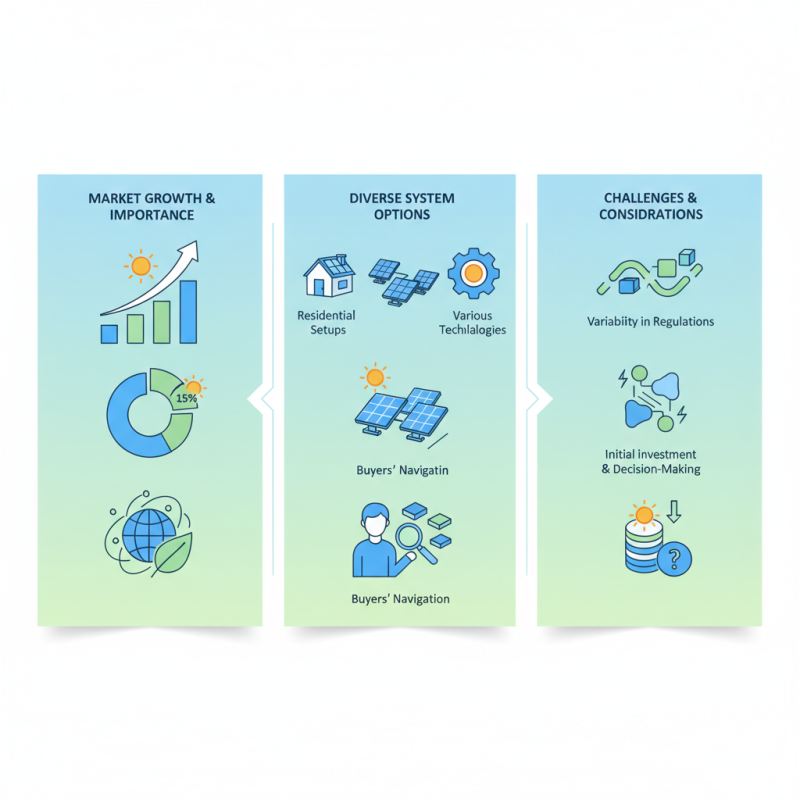
The Solar Photovoltaic System market has witnessed remarkable growth in recent years. As global energy demands rise, renewable sources, particularly solar power, have become essential. According to the International Energy Agency (IEA), solar energy accounts for over 15% of the world's electricity generation, with projections suggesting a rapid increase in its contribution. This shift is not just an industry trend but a necessary step toward a sustainable future.
Expert Mark Johnson, a leading analyst in renewable energy, emphasizes the importance of diverse system options. He states, “The right Solar Photovoltaic System can transform energy consumption patterns.” This highlights how various technologies can cater to distinct market needs. With numerous options available, buyers must navigate through choices ranging from residential setups to large-scale installations.
Despite the myriad of benefits, challenges remain. Variability in regulations, technological differences, and initial investment costs complicate the decision-making process. The diverse landscape of Solar Photovoltaic System technologies invites buyers to conduct thorough research. Each choice embodies potential and risk, urging businesses and consumers to reflect on their specific requirements and the broader impact of their selection.
Overview of Solar Photovoltaic Systems and Their Benefits
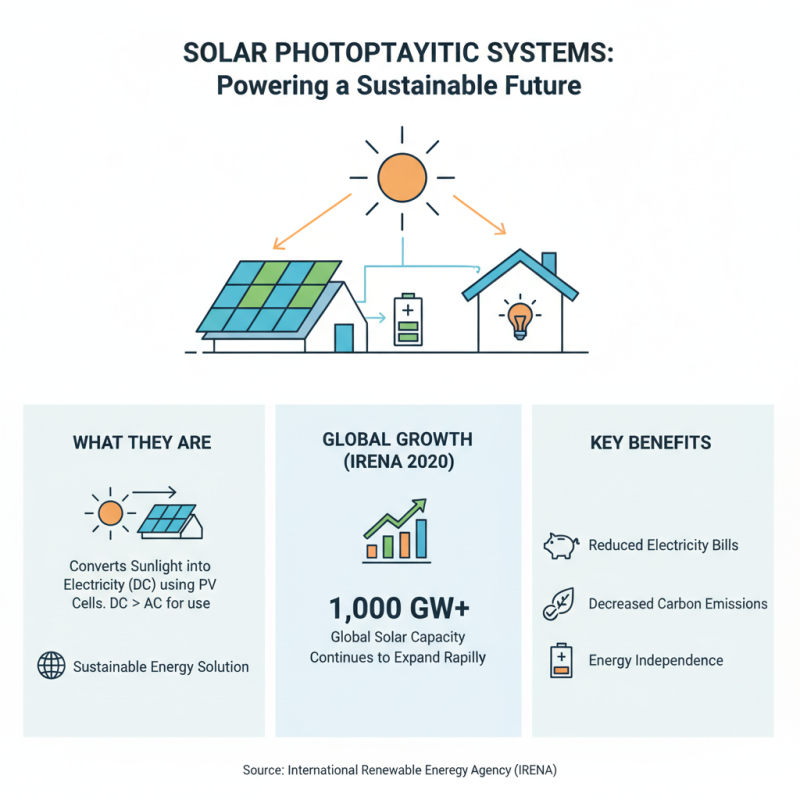
Solar photovoltaic (PV) systems convert sunlight into electricity, offering a sustainable energy solution for global buyers. According to the International Renewable Energy Agency (IRENA), the global solar capacity reached 1,000 GW in 2020 and continues to expand. Their benefits include reduced electricity bills, decreased carbon emissions, and energy independence.
Investing in solar PV can significantly lower operational costs. The levelized cost of electricity (LCOE) for solar has dropped over 80% since 2010, making it one of the most cost-effective energy sources. With advancements in technology, solar panels have become more efficient, with some achieving efficiencies above 22%. These statistics highlight the growing reliability of solar energy systems.
**Tip:** When selecting a solar system, consider local solar irradiance levels. This data will inform potential energy output and savings. Also, evaluate your home’s orientation; this impacts panel performance.
Despite the advantages, buyers should be cautious. The installation process can be complex and may require permits. Researching local regulations and potential challenges is crucial. Additionally, some regions experience intermittency issues due to weather, impacting solar reliability. Understanding these factors can enhance decision-making and potentially avoid future regrets.
Types of Solar Photovoltaic Technologies Available Globally
As the demand for renewable energy rises, solar photovoltaic (PV) technologies offer diverse options for global buyers. The International Energy Agency (IEA) estimates that solar energy could meet 27% of global electricity needs by 2050. This projection highlights the growing importance of selecting the right PV technology.
Monocrystalline and polycrystalline panels are the most common options available today. Monocrystalline panels are more efficient, converting about 20% of sunlight into electricity. However, they come at a higher cost. Polycrystalline panels, while less efficient, are more budget-friendly and are widely adopted. They generally convert around 15-17% of sunlight. Both technologies have their advantages and trade-offs, making it essential for buyers to evaluate their specific needs.
Additionally, emerging technologies such as thin-film solar cells and bifacial panels are gaining traction. Thin-film cells are lightweight and flexible, allowing for versatile installations. However, they typically have lower efficiency rates. Bifacial panels harness sunlight on both sides, leading to increased energy generation. According to the National Renewable Energy Laboratory (NREL), bifacial technology can boost efficiency by up to 30% compared to traditional panels. Yet, the initial investment and complexity of installation may deter some buyers. Understanding these diverse PV technologies is critical for making an informed decision in a rapidly evolving market.
Top Solar Photovoltaic System Options for Global Buyers
| Solar Technology Type |
Efficiency (%) |
Cost per Watt (USD) |
Lifespan (Years) |
Ideal Use Case |
| Monocrystalline |
15-22% |
$0.70 - $1.00 |
25-30 |
Residential & Commercial |
| Polycrystalline |
15-20% |
$0.50 - $0.80 |
25-30 |
Larger Installations |
| Thin-Film |
10-13% |
$0.30 - $0.60 |
10-20 |
Rooftops with Uneven Surfaces |
| Bifacial |
20-25% |
$0.80 - $1.20 |
25-30 |
High-Efficiency Applications |
Key Factors for Selecting a Solar Photovoltaic System
Selecting the right solar photovoltaic (PV) system is vital for buyers globally. Several key factors influence this decision. A major consideration is energy needs. Understanding energy consumption is crucial. Reports indicate that residential users often require around 5 kW systems. Businesses, on the other hand, may need larger installations based on specific demands.
Another important aspect is efficiency. The efficiency rate of PV panels can vary widely. Most solar panels range between 15% to 22% efficiency. Using high-efficiency panels can lead to significant long-term savings. For instance, a 1 kW increase in efficiency can produce an additional 150 kWh annually. This data underscores the importance of selecting panels that fit your energy requirements.
Cost is also a significant factor. The average installed cost of a solar system can be around $3,000 to $4,000 per kW. This cost can differ by location and installation complexity. Buyers should evaluate their budget against the potential savings. Financing options change the landscape for many buyers. However, there are trade-offs between upfront costs and long-term savings. These factors underline the complexity of selecting the right solar PV system. Ensure thorough research is conducted to make an informed choice.
Leading Solar Photovoltaic Brands and Manufacturers Worldwide
When exploring solar photovoltaic options, understanding brand reliability is crucial. Global manufacturers often vary in technology, efficiency, and service support. A buyer's decision should reflect in-depth research into those aspects. Some brands focus on high-efficiency modules, while others prioritize affordability. This diversity can lead to confusion, especially for new buyers.
Navigating through options requires knowledge of warranty terms and performance guarantees. An extended warranty can indicate a manufacturer's confidence in their product's durability. It's also essential to consider regional availability and customer service responsiveness. Some brands may excel in certain markets but falter when it comes to servicing global clientele.
While many brands claim excellence, the reality can be different. Customer experiences and independent reviews reveal mixed satisfaction levels. Not all companies meet their performance claims. Addressing this gap can help buyers make informed choices. Consistent research involving trusted sources will enhance decision-making in this rapidly evolving industry.
Top Solar Photovoltaic System Options for Global Buyers
This chart illustrates the market share of different solar photovoltaic system types based on installation capacity worldwide. The data points reflect the increasing adoption of various technologies to meet growing energy needs.
Future Trends in Solar Photovoltaic Systems for International Markets
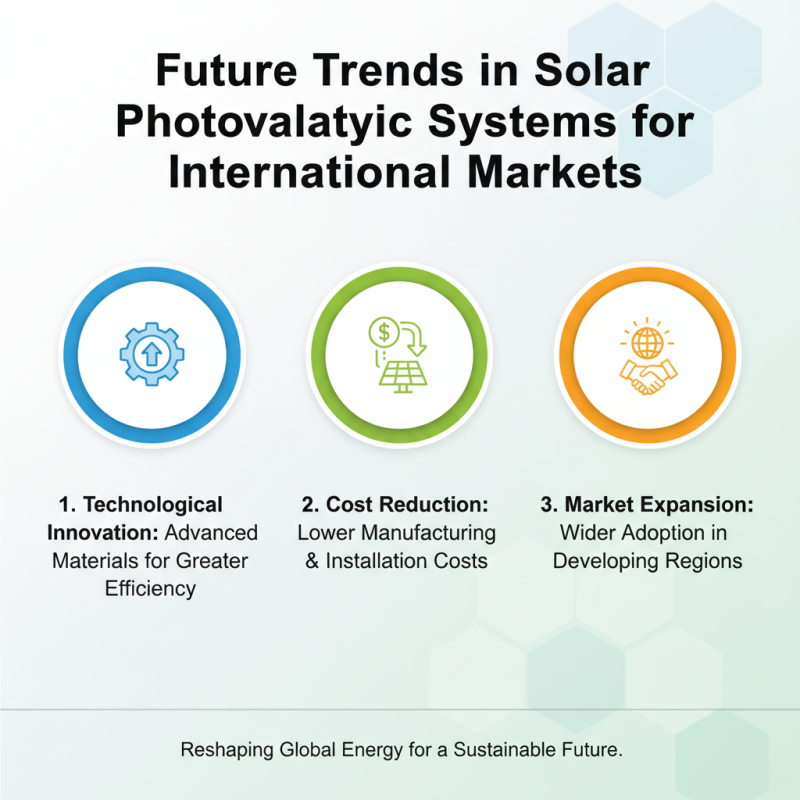
The solar photovoltaic (PV) market is evolving rapidly. Innovations in technology are reshaping the landscape for global buyers. Advanced materials now allow for greater efficiency and lower costs. This shift opens doors for wider adoption, especially in developing regions.
Emerging trends include the integration of smart technologies. These can monitor and optimize energy use in real time. However, the cost of implementation can be a barrier for some. Many small businesses struggle with financing these systems. Additionally, sustainability remains a key focus. Eco-friendly materials are becoming essential in the manufacturing process.
Looking ahead, energy storage solutions are gaining traction. They provide a reliable way to store excess electricity generated during the day. Yet, the market is not without challenges. Policy changes can impact deployment speeds. International buyers must stay informed about regulatory changes. Overall, while opportunities abound, a cautious approach is essential for navigating the solar landscape.