Top Solar Panel Systems to Consider in 2026?
As we approach 2026, the demand for solar energy is surging. More homes and businesses are turning to Solar Panel Systems. These systems not only harness clean energy but also reduce utility costs. Options available today are diverse, catering to different needs.
Choosing the right Solar Panels System can be overwhelming. Many factors come into play, including efficiency, cost, and installation. We must also consider how these systems impact the environment and our communities. Each choice carries weight and responsibility.
It's essential to reflect on the technology’s evolution. Not all systems deliver the same performance. We need to ask ourselves if we're making informed decisions. The right panel can yield great benefits, but the wrong choice can lead to regrets. Understanding these elements will guide us in selecting the ideal system for the future.
Overview of Solar Panel Technology Advances by 2026
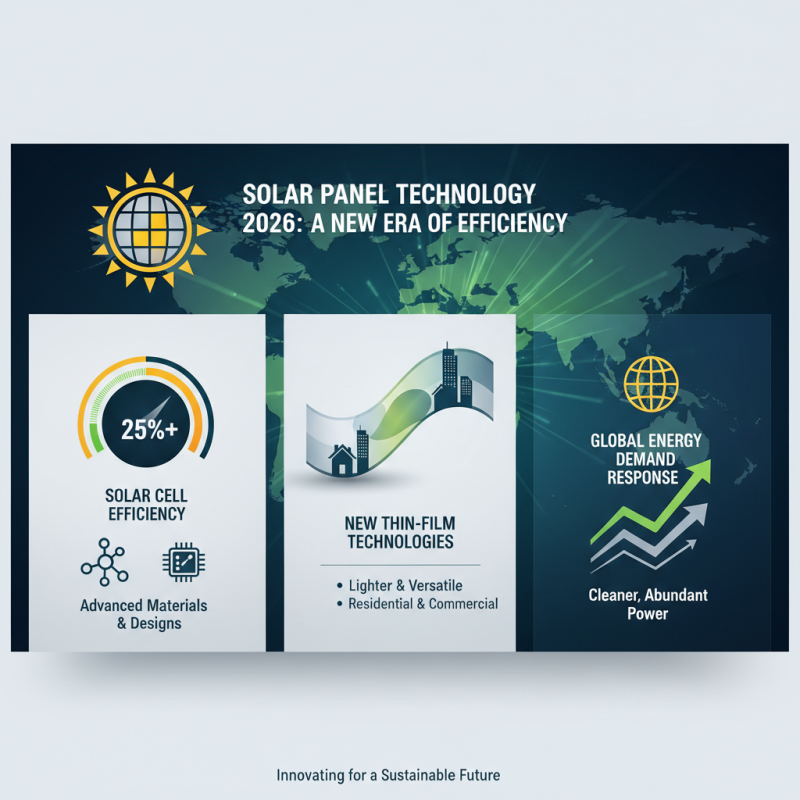
In 2026, solar panel technology is expected to advance significantly. The efficiency of solar cells is projected to reach over 25%, driven by innovations in materials and designs. New thin-film technologies are also on the rise, offering lighter alternatives that can be installed in various settings, including residential rooftops and commercial buildings. These advancements are a response to the increasing global energy demands.
A recent industry report predicts that the global solar market will reach a value of $223 billion by 2026. This growth is partly due to improved energy storage solutions. With better batteries, solar energy can be stored more efficiently. This means consumers can rely on solar power even when the sun isn’t shining. However, the high initial costs of installation remain a barrier for many.
Moreover, while technologies are improving, challenges persist. The recycling of old panels is still a developing area. Many panels will reach the end of their lifecycle by 2026, leading to potential waste issues. Addressing these concerns will be crucial for the sustainability of solar energy. Awareness of these factors is essential as the industry evolves.
Key Features to Look for in Solar Panel Systems
When choosing solar panel systems in 2026, key features matter significantly. Efficiency rates are paramount. Leading reports indicate that top systems could achieve efficiency rates above 22%. This means more energy production in less space. Solar panel size also plays a role. Systems that fit standard rooftops yet optimize output are essential. Many homeowners face space constraints. Therefore, compact designs are appealing.
Durability is another crucial factor. Panels should withstand extreme weather. Look for certifications that guarantee durability. Reports from energy experts state that long-lasting panels could have lifespans exceeding 30 years. This longevity offers consumers better value. However, buyers must be wary of misleading warranties. Not all long warranties assure quality performance.
Another vital aspect is the inverter technology. Inverters convert solar energy into usable electricity. New technologies, like microinverters, are emerging. They ensure greater energy efficiency. However, the initial costs might be higher. Consumers need to weigh benefits against costs. It's a balancing act. Understanding these features can help in making educated choices for solar investments.
Top Solar Panel Systems in 2026
This chart displays the efficiency and warranty periods of leading solar panel systems available in 2026, highlighting the key features to consider when choosing a solar panel system.
Top Brands and Manufacturers in Solar Panel Market 2026
The solar panel market in 2026 is expected to feature several leading brands and manufacturers. These companies are innovating and improving efficiency constantly. They focus on sustainability and environmental impact. Each brand has its unique strengths and offers different models. Customers often feel overwhelmed by choices.
Some manufacturers emphasize durability and performance. Others target affordability and ease of installation. Many products come with extensive warranties, which can be appealing. However, not all brands offer the same level of customer service and support. It's essential to research and make informed choices.
Moreover, the competition among manufacturers pushes for better technology and pricing. This can benefit consumers greatly. Yet, the rapid changes in technology can be unclear. Keeping up with new developments is crucial for buyers. Choosing a solar panel system requires careful thought and consideration.
Comparing Efficiency Ratings of Solar Panel Systems
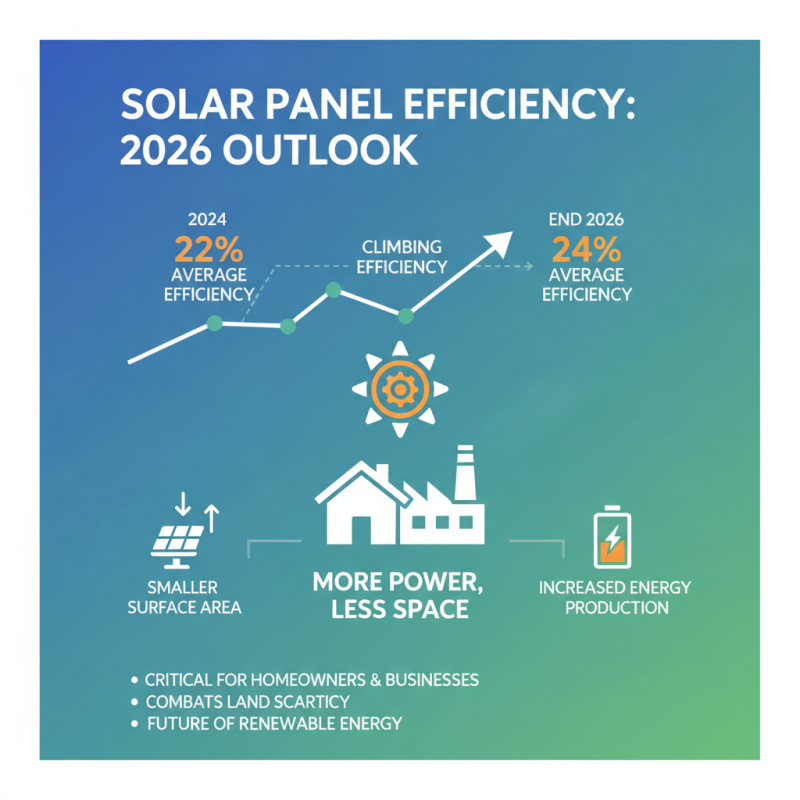
As solar technology evolves, efficiency ratings remain a critical factor for homeowners and businesses alike. In 2026, the landscape of solar panel systems is set to change significantly. According to recent industry reports, the average efficiency of solar panels has climbed to 22% and is expected to reach 24% by the end of 2026. These advancements enable more energy production from smaller surface areas, which is increasingly vital as land scarcity becomes an issue.
One notable trend is the emergence of bifacial panels. Recent studies show these systems can achieve efficiency gains of up to 27%. They work by capturing sunlight on both sides, maximizing energy output. However, they also come with higher costs and complexity in installation. This often leads to questions about the return on investment for such advanced technologies.
Despite the potential benefits, many consumers hesitate to adopt cutting-edge solar systems. Some panels may appear more efficient on paper but deliver under real-world conditions. The gap between laboratory results and actual performance can be significant, often influenced by factors like local climate and installation quality. Consumers need detailed performance data to make informed decisions, addressing uncertainties that could hinder their adoption of solar technology.
Cost Analysis and Financing Options for Solar Panels in 2026
As solar energy continues to gain traction, understanding the cost analysis and financing options for solar panels in 2026 is crucial for potential buyers. According to a recent report by the International Renewable Energy Agency, solar panel prices are projected to drop by around 10% compared to 2024 levels. This decline can make solar installations more accessible to both homeowners and businesses.
However, even with decreasing costs, installment and maintenance can still pose financial challenges. Many buyers may experience uncertainty about upfront costs and long-term savings. A survey conducted by Solar Energy Industries Association indicates that around 37% of potential customers are unsure about financing options available to them. This gap in knowledge can delay decisions and prevent many from achieving energy independence.
Tips: Explore local incentives. Federal tax credits may still be available, reducing upfront costs. Also, consider solar loans or leasing options. Both can ease financial pressure. Remember, it's essential to assess your energy needs and local conditions. Poor installation choices can lead to inefficiencies or higher costs in the long run. Always research, and possibly consult professionals before making final decisions. Delve into the specifics of each financing option and understand what best suits your situation.
Top Solar Panel Systems to Consider in 2026 - Cost Analysis and Financing Options
| System Type |
Average Cost ($/kW) |
Efficiency (%) |
Warranty (Years) |
Financing Options |
| Monocrystalline |
$3000 |
20-22 |
25 |
Loans, Leases |
| Polycrystalline |
$2500 |
15-17 |
20 |
Cash Purchase, PPA |
| Bifacial |
$3500 |
20-24 |
30 |
Financing, Tax Credits |
| Thin Film |
$2000 |
10-12 |
15 |
Leases, Grants |
| Building-Integrated PV |
$4000 |
15-18 |
25 |
Cash Purchase, PACE |