Top 5 Solar and Battery Storage Benefits You Need to Know?
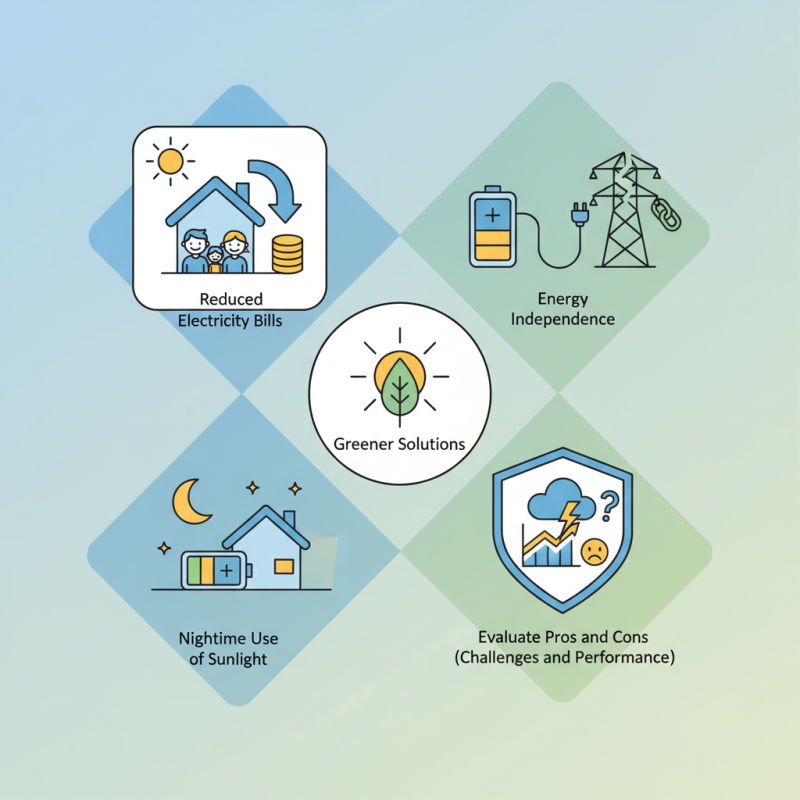
Energy solutions have become more essential than ever. Among these, Solar And Battery Storage stands out. This innovative combination offers many benefits for homeowners and businesses. The world is moving towards greener solutions, and solar energy plays a crucial role.
Imagine harnessing sunlight during the day, storing it for nighttime use. This capability allows you to reduce your electricity bills significantly. Furthermore, Solar And Battery Storage provides energy independence. You’re less reliant on the grid, especially during peak hours.
However, there are challenges to consider. Initial costs can be high, and performance varies with weather conditions. Not everyone may find the perfect fit for their needs. It’s essential to evaluate and reflect on these factors. Understanding both the pros and cons will help you make a better decision.
Understanding Solar Energy and Battery Storage Basics
Solar energy transforms sunlight into electricity. Battery storage allows homes to store that energy for later use. This combination not only supports energy independence but also reduces reliance on the grid. A report from the International Renewable Energy Agency (IRENA) indicates that the cost of solar energy has dropped by 89% since 2009. This makes it an attractive option for many households.
Perhaps consider your energy needs. Do you often have power outages? A battery storage system can be your backup. It can provide power even when the grid is down. Additionally, the Solar Energy Industries Association (SEIA) notes that demand for battery storage solutions has surged by over 200% in the past few years. This trend reflects the growing recognition of their benefits.
It's worth noting that solar and battery systems require up-front investment. Energy production can vary due to weather conditions. Assess your local climate before making a decision. Analyze your energy bills, too. You might discover ways to optimize your usage and save even more.
Tips: Research local incentives for solar installations. They can significantly reduce costs. Stay informed about technological advancements in energy storage; new options continue to emerge.
Economic Advantages of Solar Power and Battery Storage Systems
Solar power and battery storage systems offer significant economic advantages. As energy prices rise, many homeowners are seeking alternatives. According to a report from the International Energy Agency, solar power can save households around $1,500 annually on energy bills. This is a substantial amount over a 20-year period, equating to $30,000 in savings.
Battery storage enhances these benefits. It allows users to store energy during peak sunlight hours. This stored energy can be used at night or during outages. The U.S. Department of Energy states that residential energy storage can increase energy independence. Homeowners can rely less on grid power.
Tip: Consider calculating your potential savings. Look at your current energy bills to understand how much solar can cut costs.
Investing in solar also boosts property values. A study from Zillow found that homes with solar panels sell for about 4% more. That can translate to thousands of dollars when selling your home. However, there can be high upfront costs for installation. Potential buyers should research local incentives and financing options.
Tip: Explore state and federal tax credits. These can lower initial installation costs dramatically.
Environmental Impact: Reducing Your Carbon Footprint
The environmental impact of solar energy and battery storage is profound. By harnessing sunlight, homes can significantly reduce their reliance on fossil fuels. The U.S. Environmental Protection Agency reported that the average American household emits about 7.5 tons of CO2 annually. Switching to solar can slash those emissions dramatically.
Battery storage systems enhance the benefits of solar energy. They allow homeowners to utilize stored energy during peak times. This capability reduces the need for energy from coal or gas, which are major greenhouse gas contributors. According to the International Energy Agency, solar and wind power could cut global CO2 emissions by about 70% by 2050.
Tip: Monitor your energy usage trends. Understanding when you consume most energy can help maximize the efficiency of your solar and battery setup.
Integrating solar systems doesn't come without challenges. Initial installation costs can be high. Moreover, not all locations receive the same sunlight exposure year-round. It’s crucial to evaluate your geographic factors before investing.
Tip: Consider using a solar calculator online. This tool can provide estimates about potential savings and the carbon footprint reduction of solar energy for your specific location.
Top 5 Solar and Battery Storage Benefits You Need to Know
Energy Independence: Enhancing Your Home's Resilience
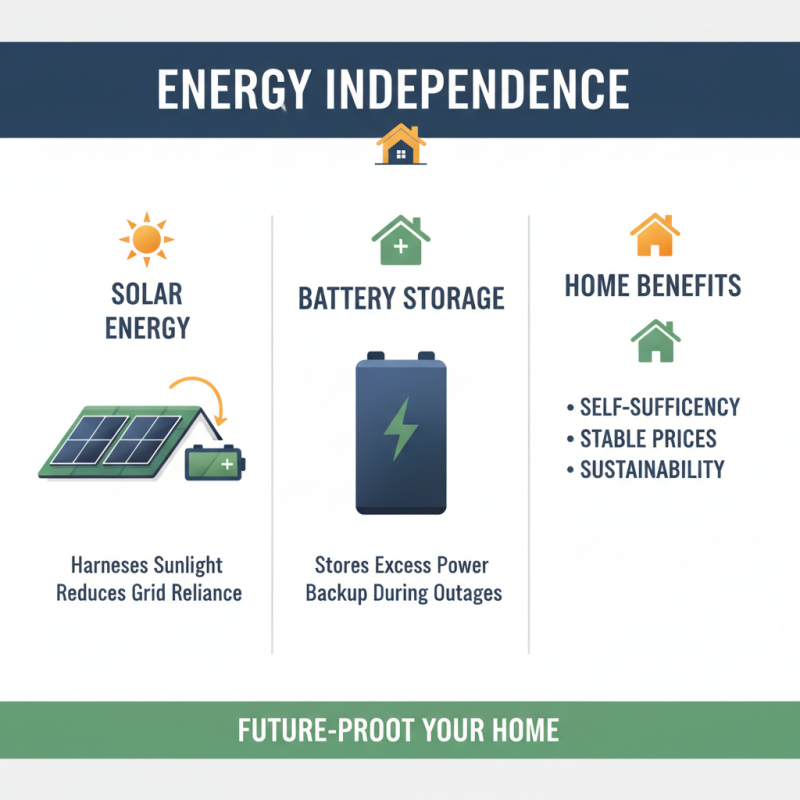
Energy independence is a crucial aspect of modern living. By investing in solar energy and battery storage, homeowners can reduce reliance on traditional power sources. This not only enhances self-sufficiency but also insulates families from fluctuating energy prices.
When a storm hits, or unexpected outages occur, a solar and battery system can keep your home powered. Imagine still being able to run the fridge or charge your devices during a blackout. Many people overlook this simple yet profound benefit. It offers peace of mind and enhances the overall resilience of your household.
However, it requires careful planning. Installing solar panels can be costly upfront. Homeowners often need to evaluate their energy needs. The size of the battery system should align with energy consumption. The path to energy independence can be rugged, but the rewards are significant. Embracing this change is a journey worth considering.
Long-term Savings: How Solar and Batteries Reduce Utility Costs
Solar energy paired with battery storage offers significant long-term savings. Homeowners can dramatically reduce their utility costs. When the sun shines, homes generate their own electricity. This reduces reliance on the grid and lowers monthly bills.
Battery storage captures excess energy. During the day, unused energy isn’t wasted; it’s saved for later use. This is especially valuable during peak hours when electricity prices skyrocket. With a battery, homeowners pull from their own stored energy and avoid high rates. Such systems can eventually pay for themselves. Still, initial costs may seem daunting.
Maintenance needs can also be a concern. Periodic checks ensure efficiency. Neglecting this can lead to performance drops. Additionally, not every home may be suited for solar panels or batteries. Factors like shading and roof type must be considered. Reflecting on these challenges is vital for anyone considering this energy transition.
Top 5 Solar and Battery Storage Benefits You Need to Know
| Benefit |
Description |
Long-term Savings Potential |
Environmental Impact |
| Reduced Utility Bills |
Solar energy reduces reliance on grid electricity, leading to lower energy bills. |
Up to 70% savings |
Decreases carbon footprint |
| Energy Independence |
Using solar power allows households to produce their own energy. |
Stabilizes energy costs over time |
Supports local ecosystems |
| Battery Storage Solutions |
Storing excess solar energy for use at night or during outages increases efficiency. |
Higher self-consumption rates |
Reduces need for fossil fuel backup |
| Government Incentives |
Tax credits and rebates decrease the initial cost of installation. |
Up to 30% federal tax credit available |
Encourages renewable energy use |
| Increased Property Value |
Homes with solar energy systems can sell for more than those without. |
Average increase of $15,000 |
Promotes sustainable living |