How Much Does a Solar Power System Cost in 2026?
Solar pricing in 2026 is not one neat number. A home with an unshaded roof, nearby electrical panel, and modest energy use may need a very different setup from a larger house with evening-heavy power demand. Solar Power System Cost depends on system size, equipment, installation labor, and local conditions. A quote for an 8-kilowatt system, for example, should explain what is included—not just show a headline price.
Look beyond the panels. Inverter type, roof repairs, electrical upgrades, permits, and a battery can all change the final bill. Battery storage may provide backup power, but it is not essential for every household. Utility rules, available incentives, and financing terms also vary by location and can change over time. Check current local requirements before treating an advertised discount as guaranteed.
That distinction matters. Two quotes can describe systems with similar capacity but different warranties, equipment, or installation work. Ask for an itemized estimate, expected annual production, and clear assumptions about household electricity use. Compare the cash price separately from loan payments, and verify incentives with reliable, up-to-date sources. Small details count: a shaded roof section or an older electrical panel may affect the design and budget. Even careful estimates can miss something. This guide explains the main cost drivers, how to compare proposals, and which questions to ask before making a decision.
What a Solar Power System Includes
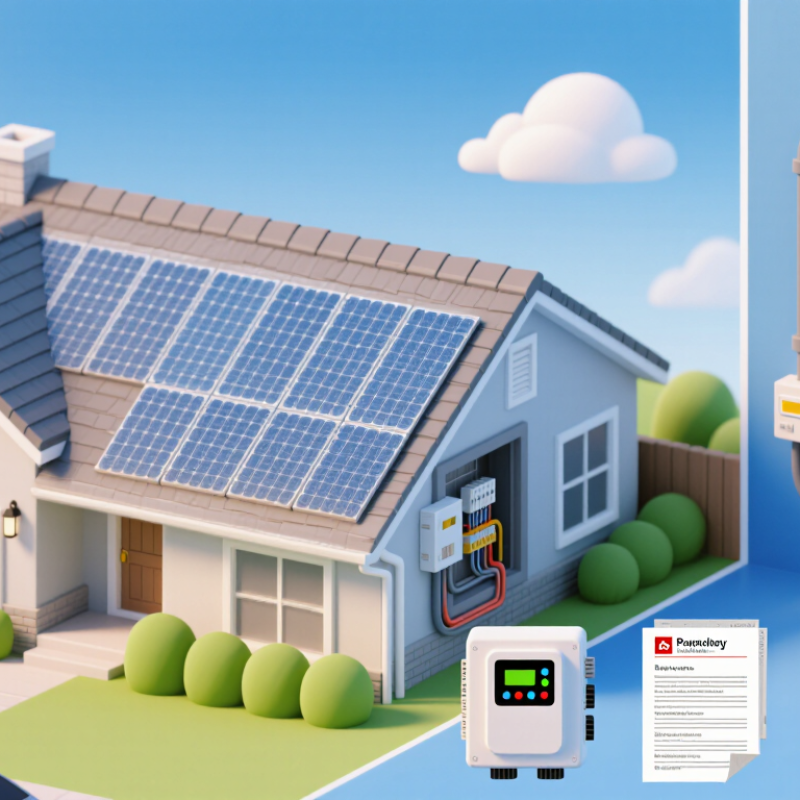
A solar power system is more than the panels on a roof. The panels produce direct-current electricity, while an inverter converts it into the alternating current most homes use. Mounting rails, roof attachments, wiring, switches, and protective equipment connect the parts safely. Small components matter. A poorly planned cable route can add labor and complicate future repairs.
These items are typically included in an installation quote, along with system design, equipment delivery, labor, and setup. The price can change with roof shape, electrical upgrades, local labor rates, and system size. A steep roof with several angles may take longer to install than a broad, unobstructed one. Ask for an itemized estimate. It makes missing equipment or vague installation charges easier to spot.
A battery is usually an optional addition, not a standard part of every system. It stores some daytime production for use after sunset, but adds equipment and installation cost. Monitoring software may also be included, letting homeowners compare daily production with household use. Estimates are still estimates; shading, weather, and actual electricity use can shift results. Even a tidy roof plan can miss a shaded patch near a chimney.
How Much Does a Solar Power System Cost in 2026? — What a Solar Power System Includes
The estimates below are planning ranges for a typical residential installation in the United States. They are shown before rebates, tax incentives, or financing costs; actual prices depend on location, roof conditions, equipment, and installer.
Estimated Residential Solar System Costs
| System Size |
Approx. Panel Count* |
Typical Annual Generation** |
Installed Cost Before Incentives |
Battery Storage |
| 6 kW |
About 15 panels |
About 6,600–9,600 kWh |
$15,000–$21,000 |
Not included |
| 8 kW |
About 20 panels |
About 8,800–12,800 kWh |
$20,000–$28,000 |
Not included |
| 10 kW |
About 25 panels |
About 11,000–16,000 kWh |
$25,000–$35,000 |
Not included |
| Optional home battery |
Usually 1 battery unit |
Stores electricity; does not generate it |
Typically adds about $9,000–$15,000 |
Commonly around 10–15 kWh of storage |
*Panel counts assume approximately 400-watt panels. **Generation is a broad estimate using roughly 1,100–1,600 kWh per installed kW per year; local sunlight, roof direction, shade, weather, and system design can change actual output. The solar-only cost range is approximately $2.50–$3.50 per watt installed.
What a Typical Solar Power System Includes
| System Component |
What It Does |
Usually Included in the Solar-Only Estimate? |
| Solar panels |
Convert sunlight into direct-current (DC) electricity. |
Yes |
| Inverter or power electronics |
Convert DC electricity into alternating-current (AC) electricity for household use. |
Yes |
| Mounting and racking |
Secure the panels to the roof or another approved structure. |
Yes |
| Electrical balance-of-system equipment |
Includes wiring, conduit, disconnects, and required electrical protection and connections. |
Yes |
| Design, permitting, and inspection coordination |
Supports system planning, permit applications, utility paperwork, and required inspections. |
Usually; confirm in the written quote |
| Installation and commissioning |
Covers labor to install, connect, test, and activate the system. |
Yes |
| Battery storage |
Stores surplus electricity for later use and may provide backup power when configured for it. |
No; generally an additional cost |
| Roof repairs, service-panel upgrades, or trenching |
Addresses site-specific work that may be needed before or during installation. |
Not always; may add to the quote |
Compare quotes using the same system size and scope. Check whether the price includes permits, monitoring, utility interconnection, electrical upgrades, and any roof work, and review warranty and battery details separately.
Typical Solar System Costs in 2026
For a typical U.S. home, a professionally installed solar system in 2026 may cost about $2.50 to $3.50 per watt before incentives. A 6-kilowatt system could therefore run roughly $15,000 to $21,000, while an 8-kilowatt system might cost $20,000 to $28,000. These are planning ranges, not guaranteed quotes. Local labor rates, equipment choices, roof access, and permit fees can shift the final price.
The roof matters. A simple, south-facing roof may need less installation work than a steep roof with several angles. Older electrical panels or roof repairs can add thousands of dollars. A home battery is usually a separate expense, often adding around $8,000 to $15,000 installed, depending on capacity and wiring. Not every household needs one. Ask contractors to show system size, estimated annual production, equipment, labor, and any excluded costs on the same written proposal. Compare more than the total.
Small details count. Shade from one tall tree can affect production, and estimates depend on weather assumptions. Incentives and utility rules vary by location and may change, so verify current terms before budgeting. I would not treat the lowest quote as the best value; unusually thin estimates can leave important work out.
How Much Does a Solar Power System Cost in 2026?
Typical U.S. residential solar installation costs before incentives, based on an estimated range of $2.50–$3.50 per watt. Battery storage is not included.
Actual prices vary by location, roof conditions, equipment, and installation complexity. These figures are illustrative planning estimates, not a quote.
Factors That Influence Installation Costs
A solar system’s 2026 installation cost is not determined by panel count alone. A larger household load may require more panels, a bigger inverter, and more roof space. Yet two homes with similar bills can receive different quotes. Roof pitch, chimney shade, and the distance between panels and the electrical service affect labor. A steep, tiled roof can take longer to work on than a simple, open roof. Labor rates and permit requirements also vary by location. Check whether the quote includes design, inspection, and grid connection work. Details matter.
Equipment choices change the total as well. High-efficiency panels may help when roof area is limited, while standard panels can be more economical on a broad roof. Battery storage adds equipment and installation work; its value depends on outage risk, utility rates, and evening energy use. Existing electrical panels sometimes need upgrades. That cost is easy to overlook. Ask for an itemized quote showing system size, estimated annual production, equipment, warranties, and exclusions. Compare estimates using the same assumptions, not just the headline price. A production estimate is still an estimate. Weather, growing shade, and household habits can shift actual output. A tidy comparison can hide those uncertainties.
How Batteries and Incentives Affect the Price
In 2026, a solar quote can look affordable until battery storage enters the spreadsheet. A home battery often adds several thousand dollars, depending on usable capacity, installation, and electrical work. That adds up. A larger battery may run a refrigerator, lights, and internet during an outage, but it does not automatically power every appliance all night.
Ask for the battery’s usable capacity, not just its advertised size. Also check whether the quote includes wiring, permits, backup equipment, and labor. These details can shift the final price. Compare quotes using the same system size and backup needs; otherwise, a lower number may simply reflect less storage. I would not assume a battery pays for itself quickly. Its value depends on local electricity rates, outage frequency, and how much power the household uses after sunset.
Incentives can reduce eligible costs, but rules and availability vary by location and may change. Ask the installer to show the gross price and each incentive separately. Confirm eligibility with the relevant tax or energy authority before counting a rebate or credit in your budget. A little uncertainty belongs in the estimate; incentives are not guaranteed savings until eligibility is verified.
How to Estimate Your System’s Total Cost
To estimate a solar system’s total cost, start with your annual electricity use and available roof space. A household using 10,000 kilowatt-hours yearly might need roughly 7–9 kilowatts, depending on sunlight and roof orientation. Lawrence Berkeley National Laboratory’s Tracking the Sun 2024 report found a median U.S. residential installed price of about $3.1 per watt for systems installed in 2023. At that benchmark, an 8-kilowatt system would cost about $24,800 before incentives. Treat this as a starting point, not a quote.
Then check what the price includes. Ask for separate figures for panels, inverter, labor, permits, electrical upgrades, and any roof work. A battery can add substantially to the bill, so compare its capacity and installation cost separately. Use your utility bills and NREL’s PVWatts calculator to estimate local production; shade from one chimney can change the result. Small details matter.
My first estimate is rarely perfect. I leave room for roof repairs or a panel upgrade, because these costs are easy to miss. Compare several itemized quotes using the same system size and assumptions. Also check whether prices include sales tax, financing charges, and applicable incentives; eligibility and savings vary by location and year. The lowest upfront number may not be the lowest total cost over time.