MH Energy       Your Better Solar and Energy Partner

Leave Your Message

How to Choose the Best Solar Powered System?

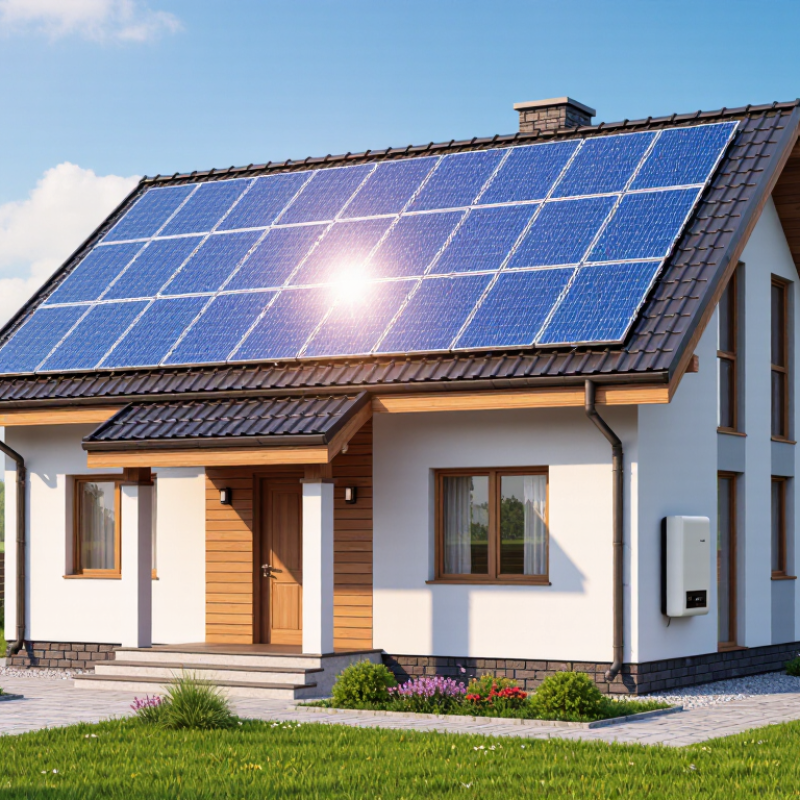
Choosing a Solar Powered System is not just a matter of comparing panel prices. The right setup depends on how much electricity you use, when you use it, and what your property can support. A household with strong daytime consumption may need a different design from one that relies on evening power. Small details matter, too. A chimney’s shadow can reduce production, while a roof’s direction and condition affect installation choices.

Start with recent utility bills and note your typical daily use, seasonal changes, and essential appliances. Then compare system size, panel efficiency, inverter capacity, and battery options. Batteries can provide backup power, but they add cost and may not suit every household. Ask for estimates based on your location, roof shading, and expected energy use—not a generic example. Look closely at the assumptions. That matters.

A qualified installer should explain expected production, equipment warranties, maintenance needs, and what happens if a component fails. Request itemized quotes so you can compare equipment and installation costs fairly. Check the installer’s relevant credentials and ask for references or examples of similar projects. Solar estimates are still estimates; weather, shading, and future energy habits can change results. Even careful calculations may miss something. I would treat unusually confident savings promises with caution and ask how they were calculated. The best choice is usually the system that fits your needs, site, and budget—not simply the largest or cheapest one.
How to Choose the Best Solar Powered System?

Identify Your Energy Needs and Daily Power Consumption

Choosing a solar-powered system starts with an honest picture of your daily electricity use. Check recent utility bills, then list the appliances you expect to run during an outage or off-grid trip. A refrigerator, for example, may use more energy over a day than a phone charger, even though its motor runs in cycles. Note each device’s wattage and estimated hours of use. Multiply watts by hours to estimate watt-hours, then add the results. Your numbers do not need to be perfect yet.

Pay special attention to devices with motors or heating elements, such as pumps, kettles, and microwaves. They can draw more power at startup or during use than small electronics. Also consider when you need electricity: running several devices at once affects inverter capacity, while total daily use helps estimate battery and panel needs. Sunlight varies by season, shade, and location, so a system sized only for a bright summer day may disappoint in winter. I have found that people often underestimate small, repeated loads. It happens.

Tips: Keep a simple log for three to seven days. Record device use, not just its rated wattage, and separate essential loads from conveniences. Leave room for uncertainty; real routines change, and solar output is not constant. If possible, compare your estimates with measured energy use before choosing system capacity.

How to Choose the Best Solar Powered System? — Identify Your Energy Needs and Daily Power Consumption

Example household load inventory. Adjust the quantities and usage hours to match your own daily routine.

Appliance or Load Quantity Typical Power per Unit (W) Use per Day (h) Estimated Daily Energy (kWh)
Refrigerator (average cycling draw) 1 60 24 1.44
LED lights 4 9 5 0.18
Ceiling or standing fans 2 45 8 0.72
Laptop computer 1 65 5 0.33
Wi-Fi router 1 10 24 0.24
Television 1 100 4 0.40
Phone charging 2 10 2 0.04
Small water pump 1 500 0.5 0.25
Estimated Total Daily Energy Use 3.60 kWh

Estimates use: daily energy (kWh) = quantity × power (W) × hours of use ÷ 1,000. Actual consumption varies with appliance efficiency, operating conditions, and usage. Check appliance labels or measure consumption where possible before sizing a solar system.

Compare Solar System Types and Their Intended Uses

How to Choose the Best Solar Powered System?

Compare Solar System Types and Their Intended Uses

The right solar system depends on what you need it to power. The IEA’s Renewables 2024 report found that solar PV accounted for about three-quarters of global renewable capacity additions in 2023.

A grid-tied system suits homes with reliable utility service and aims to lower grid electricity use. It can send surplus power to the grid, but standard systems shut down during outages. No backup power.

A hybrid system pairs panels with a battery and, when designed for backup, can run selected circuits during an outage. It suits households that value backup power, though batteries add cost and require careful sizing.

An off-grid system serves remote cabins, farms, or other sites without dependable grid access. It needs enough storage for cloudy periods and may require a generator or strict energy use. That trade-off matters. I would not size one using only a sunny-day estimate.

Tips: Review a full year of electricity bills, then list essential loads such as a refrigerator, lights, and a well pump. Ask an installer to assess roof shade, winter sunlight, and outage needs. Estimates are imperfect; a shaded roof can change the result.

Evaluate Panel Capacity, Battery Storage, and Inverter Specifications

A useful solar design starts with measured demand, not a large panel number. Check twelve months of electricity bills, then estimate daily use and peak loads. NREL’s PVWatts documentation applies a default 14% system-loss allowance, reminding buyers that nameplate capacity is not delivered energy. Model the roof’s orientation, shade, and local weather before choosing panel capacity. A shaded chimney can matter more than one extra panel. I learned that the hard way on a small roof.

Battery storage should match the hours you need backup, not simply the home’s total daily consumption. List essential loads, such as a refrigerator, lights, and a router, then estimate their runtime. Compare usable kilowatt-hours, continuous output, and power limits; these figures describe different things. NREL’s 2024 Annual Technology Baseline uses about 85% round-trip efficiency for utility-scale lithium-ion storage. Household systems vary, so treat that figure as a planning reference, not a guarantee. Leave some margin. Real evenings are messy.

Check inverter continuous power against simultaneous appliance demand, and verify its surge rating for motor-driven equipment. NREL’s PVWatts documentation assumes 96% inverter efficiency, but actual performance depends on equipment and operating conditions. Ask for the inverter’s efficiency curve, operating voltage range, and battery compatibility. A system can have ample stored energy yet fail to start a pump if inverter output is too low. Compare specifications under the same test conditions, and have a qualified installer validate the design.

Assess Installation Conditions, Costs, and Long-Term Value

How to Choose the Best Solar Powered System?

Assess Installation Conditions, Costs, and Long-Term Value

Start with the roof, not the sales estimate.

Note its age, orientation, pitch, and the shade cast by chimneys or nearby trees. Shade matters. The U.S. National Renewable Energy Laboratory’s PVWatts tool models expected output using location, tilt, orientation, and system losses.

Use it for a first estimate, then compare it with an installer’s site-specific assessment. A roof needing replacement soon may make timing awkward; panels can add removal and reinstallation costs later. That detail is easy to miss.

Compare written quotes by system size, expected annual production, equipment included, and warranties—not just total price.

Lawrence Berkeley National Laboratory’s Tracking the Sun 2024 report puts the median U.S. residential installation price for 2023 at about $3.1 per watt. That is a benchmark, not your quote; local labor, roof work, and storage can shift the figure.

For broader context, IRENA’s Renewable Power Generation Costs in 2023 report found global utility-scale solar’s weighted-average electricity cost fell 12% to $0.044 per kilowatt-hour.

Household economics differ. Check your own utility rates, export payments, financing fees, and likely maintenance over time.

I would also test a lower-production scenario; forecasts can look neat, but cloudy winters and new shade are less neat.

Verify Safety Standards, Warranties, and Maintenance Requirements

Before comparing power output, ask for documentation showing that the panels, inverter, battery, and cables meet relevant safety standards. Requirements vary by location, so check which certifications local installers or inspectors recognize. A rooftop system also needs suitable protection against electrical faults and weather exposure. Do not rely on a logo alone; request the certificate number and confirm it with the issuing organization. Paperwork matters.

Read each warranty in full. Panel coverage may last decades, while inverter and battery coverage can be shorter. Check what triggers a claim, who pays for labor or shipping, and whether performance is measured under specific conditions. A long warranty is less useful if ordinary wear, installation issues, or limited maintenance void it. Battery warranties may also set limits on charging cycles or retained capacity. Small print bites.

Maintenance should be practical and clearly explained before purchase. Ask how often the system needs inspection, who can perform it, and whether monitoring alerts require action. Dust, leaves, loose connections, and blocked vents can affect performance, though cleaning methods depend on the equipment and site. Keep dated service records and note unusual readings. The checklist may feel fussy, but skipping it is an easy mistake.

How to Choose the Best Solar Powered System?

Verify Safety Standards, Warranties, and Maintenance Requirements

Commonly Offered Solar Equipment Warranty Terms

These are broad, illustrative warranty-term ranges, not guarantees; coverage varies by product, market, and contract. Check what each warranty covers, its exclusions, and who handles claims. Also confirm compliance with local electrical and building codes and applicable product-safety standards, such as IEC 61730 or UL 61730 where relevant. Follow the system manuals for maintenance and inspections.