MH Energy Your Better Solar and Energy Partner

Choosing the right Solar Photovoltaic System is essential for maximizing energy efficiency. Many homeowners face confusion about the right options. Solar energy is a smart investment that can reduce utility costs and minimize environmental impact.
When selecting a Solar Photovoltaic System, consider your energy needs. Evaluate factors such as your home’s energy consumption and available roof space. Different systems vary in performance and cost. It’s critical to choose a reputable provider. Assess warranties and customer support to ensure reliability.
Reflect on your energy goals. Are you aiming for complete energy independence or simply reducing your carbon footprint? Take time to research various technologies. This helps in making a more informed choice. Ultimately, understanding your unique situation will lead to the best Solar Photovoltaic System for your needs.
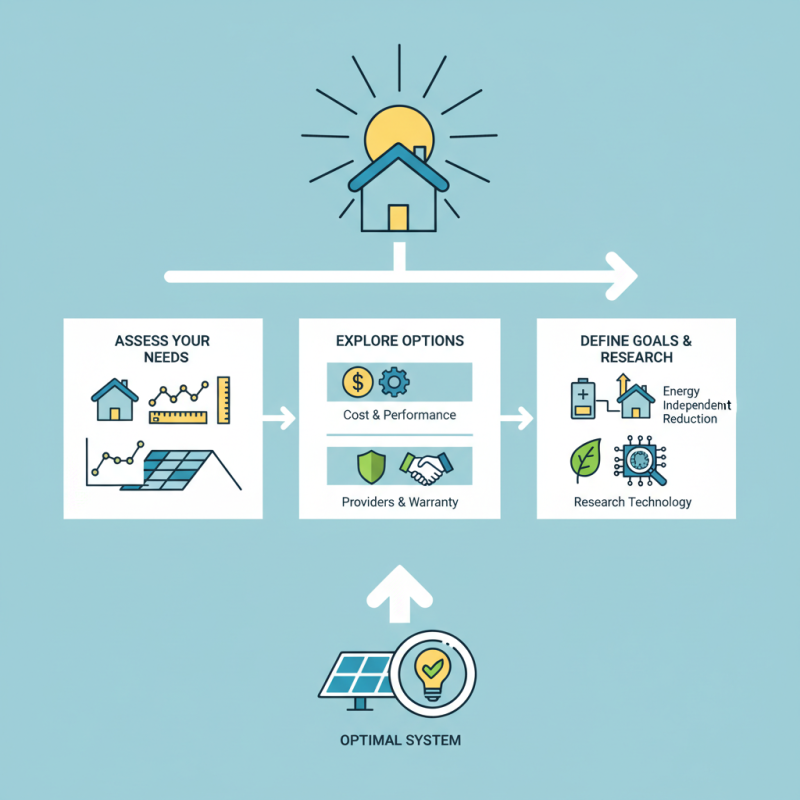
Understanding your energy needs is crucial when selecting a solar photovoltaic system. Start by evaluating your monthly electricity usage. Review your utility bills for the past year. This data reveals patterns in your consumption. Are there specific months with higher usage? Consider factors like heating, cooling, and appliances. Each of these contributes to your overall energy demand, and it helps to identify your peak usage times.
Assessing your energy habits can be just as important. Do you leave lights on for long periods? Are there energy-efficient technologies in your home? Small adjustments can significantly impact your energy consumption. Think about your long-term needs as well. Will your family grow? Will you purchase new appliances? These changes can influence the size and capacity of the solar system you need. Understanding these dynamics ensures your system is tailored to your specific needs.
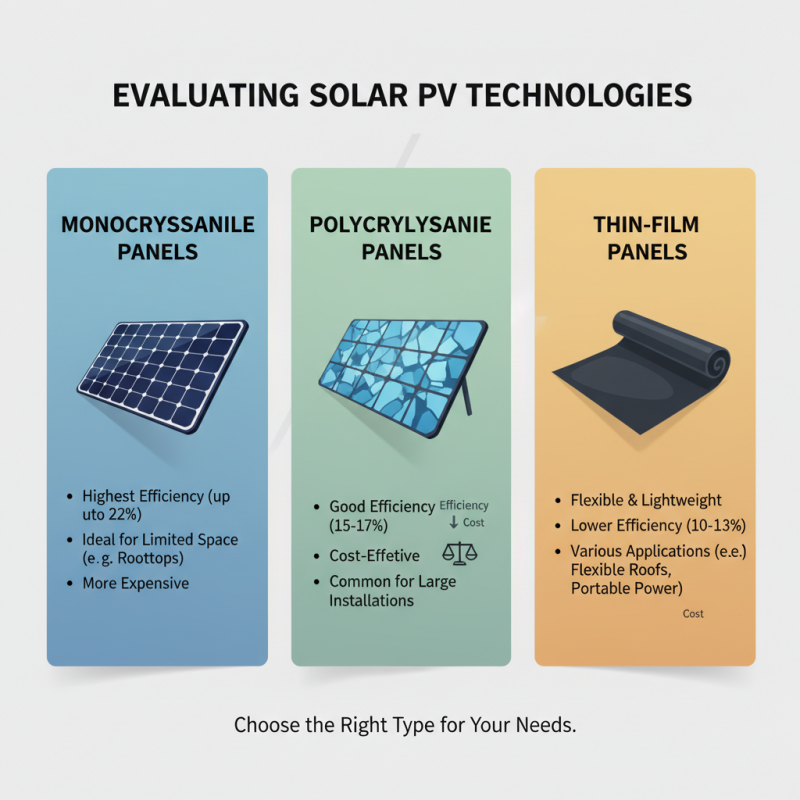
When evaluating solar photovoltaic (PV) technologies, it’s essential to understand the options available. Each type has its advantages, limitations, and specific applications. For instance, monocrystalline panels are the most efficient, with efficiencies reaching up to 22%. They are ideal for residential rooftops with limited space. However, they can be more expensive, which may deter some buyers.
In contrast, polycrystalline panels offer a more budget-friendly alternative. Their efficiency typically ranges from 15% to 20%. While they require more space for the same energy output, they provide an excellent balance between cost and performance. According to the National Renewable Energy Laboratory (NREL), these panels contributed to nearly 50% of solar installations in 2022.
Thin-film technologies are another option. They are lightweight and flexible, making them suitable for unconventional surfaces. Their efficiency, however, is generally lower, around 10% to 12%. Market trends indicate that while they are gaining traction, they still represent a small portion of overall installations. The decision on which technology to choose depends on factors such as budget, space, and energy needs. Always consider the long-term effectiveness and possible drawbacks of each type before deciding.
Choosing the right solar photovoltaic system involves understanding the sizes and their output capacities. The output capacity of a solar system directly correlates with the number of panels and their efficiency. For instance, a 5 kW system can produce about 20 kWh per day on average, depending on sunlight exposure. This means, in optimal conditions, you could power your home efficiently.
Assessing your energy needs is crucial. Consider your daily electricity consumption. If you consume around 30 kWh per day, a larger system may be required. However, overestimation can lead to wasted investments. A thorough energy audit can help refine your requirements. This process allows you to avoid purchasing a system too large or small for your needs.
Many users overlook seasonal variations. In winter, the output may drop significantly. This can affect your overall energy usage and costs. Evaluating your local climate and sunlight hours is essential. It’s not always straightforward, and often needs adjustments or a professional assessment. Understanding these dynamics helps ensure you choose a system that fits both your budget and energy demands effectively.
When considering a solar photovoltaic system, financial aspects are crucial. The initial cost may seem daunting, but various incentives are available. Depending on your location, federal and state tax credits can significantly reduce the upfront expense. In some cases, grants and subsidies can make installation more affordable.
Long-term savings also play a vital role. Many homeowners see a reduction in their electricity bills. With decreasing energy costs, the system can pay for itself within years. However, it's essential to factor in maintenance and potential repair costs. Understanding the full financial picture is vital for making an informed choice.
Tips: Start by calculating your energy needs. Assess how much sunlight your property receives. This will help estimate the size of the system required. Additionally, consult local solar providers for personalized quotes. They can offer specific insights into available incentives that apply to you. Evaluating different financing options can also yield substantial savings over time.
| Aspect | Details |
|---|---|
| System Installation Cost | $15,000 - $30,000 for a typical residential system |
| Average Payback Period | 5 to 7 years depending on energy usage and local rates |
| Federal Tax Credit | 26% of the total installation cost (as of 2023) |
| State Incentives | Varies by state; can include rebates, tax credits, and grants |
| Estimated Annual Savings | $800 - $1,200 on electricity bills |
| System Life Expectancy | 25 to 30 years with proper maintenance |
| Return on Investment (ROI) | 10% to 20% depending on system size and incentives |
| Financing Options | Cash purchase, solar loans, leases, PPAs |
When considering a solar photovoltaic system, the choice between DIY installation and hiring professionals is crucial. Many homeowners are drawn to the DIY approach because of potential cost savings. However, it's essential to evaluate your skills and knowledge. A successful installation requires understanding electrical systems, structural integrity, and local regulations. Missteps can lead to unsafe conditions or ineffective energy production.
On the other hand, professional services come with expertise and peace of mind. Experienced installers handle the complexities of solar systems efficiently. They ensure that your installation meets safety standards and local codes. Moreover, professionals often offer warranties that protect your investment. While this option costs more upfront, it could save you from costly repairs later. Weigh these factors carefully, especially if you're not confident in your abilities. It’s about finding the right fit for your specific needs and situation.