Why Choose a Solar Generator for Your House?
As energy demands rise, homeowners are seeking sustainable solutions. A Solar Generator for house applications offers a promising alternative. According to a recent report by the International Energy Agency, renewable energy sources are projected to account for 90% of the global power growth by 2025. This shift underscores the importance of harnessing solar energy for residential use.
Solar generators stand out due to their efficiency and reliability. They provide a clean energy source, reducing carbon footprints significantly. The U.S. Department of Energy highlights that solar energy can lead to savings of up to 70% on electricity bills. Yet, some may overlook the initial investment, which can be a barrier. The long-term benefits often outweigh these costs.
Moreover, as weather patterns change, power outages may become more frequent. Relying solely on traditional generators can feel risky. A Solar Generator for House use not only enhances energy resilience but also contributes to a sustainable future. However, clients should thoroughly assess their energy needs. Solar technology is evolving, making it crucial to stay informed.
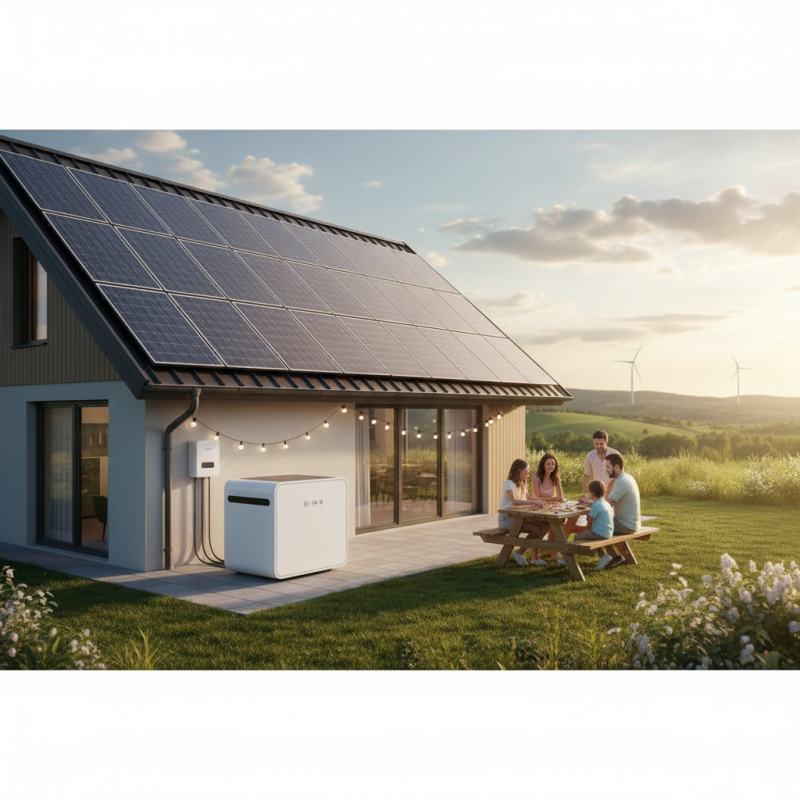
Benefits of Using a Solar Generator for Residential Energy Needs
As residential energy needs grow, many homeowners are turning to solar generators. These innovative devices harness solar power, providing a sustainable energy solution. According to a recent report by the Solar Energy Industries Association, the solar market has seen a 167% growth over the past decade. This surge highlights a significant shift towards renewable energy sources.
One key benefit of solar generators is their ability to reduce electricity bills. By generating your own power, homes can decrease reliance on grid electricity. Data from the U.S. Department of Energy suggests that homeowners can save an average of $1,500 annually by using solar energy. Such savings can enhance financial stability and make energy costs more predictable.
Tips: When considering a solar generator, assess your energy needs carefully. Understand your average electricity consumption to choose the optimal size. Also, ensure proper placement of solar panels for maximum sunlight exposure. Remember, installation might have challenges. Reflect on local regulations and potential installation costs. Be ready for some unexpected hurdles during the process, as not all areas provide equal sunlight benefits.
Benefits of Using a Solar Generator for Residential Energy Needs
Comparative Cost Analysis: Solar Generators vs. Traditional Generators
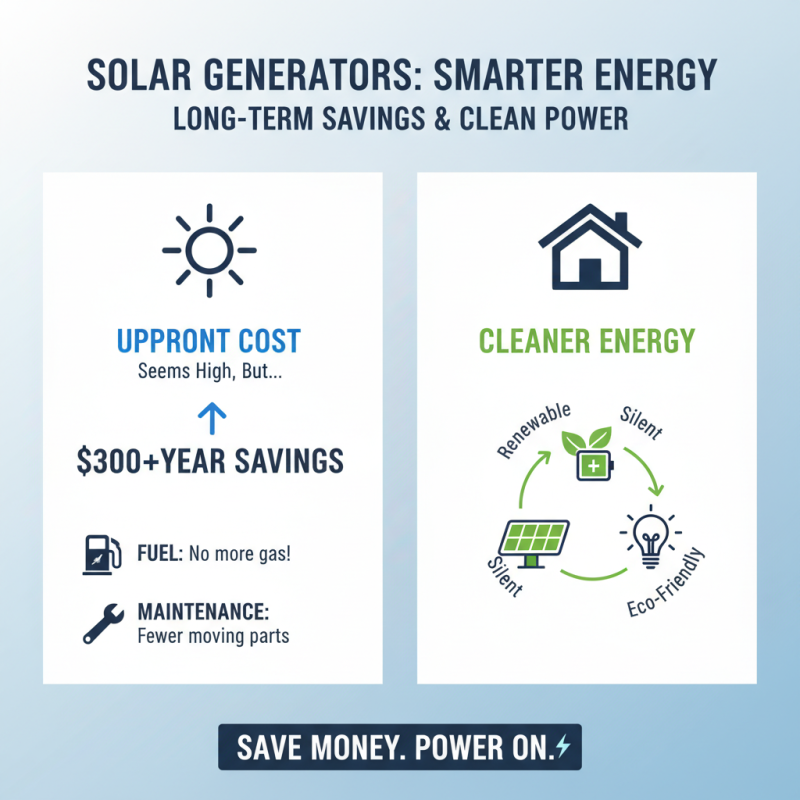
Solar generators have gained popularity as a cleaner alternative to traditional generators. Their upfront cost may seem high, but let’s consider the long-term savings. According to the National Renewable Energy Laboratory, a solar generator can save homeowners around $300 annually on fuel and maintenance costs compared to gasoline generators. Fuel prices fluctuate, and they can add up. Additionally, solar generators require less upkeep due to fewer moving parts.
The initial investment for a solar generator averages about $2,000 to $5,000. In contrast, traditional generators range from $500 to $3,000. However, traditional models need frequent refueling. Fuel costs can escalate quickly. For example, if gas prices increase by just 20%, the annual expenses could rise significantly. This unpredictability makes solar generators appealing. They harness sunlight for free after installation.
Moreover, solar generators ensure energy independence. There’s no need to rely on fossil fuels. They benefit environmental impact reports, showing reductions in carbon emissions by up to 40%. Still, initial costs may deter some. It's essential to evaluate personal energy needs. Take the time to do the math. Balancing initial expenses with long-term advantages is crucial. Finding the right balance may require more consideration, but the benefits are increasingly compelling.
Environmental Impact: Reducing Carbon Footprint with Solar Energy
Choosing a solar generator for your home can significantly impact the environment. Solar energy harnesses the sun's power, reducing reliance on fossil fuels. This shift can lower carbon emissions, helping to combat climate change. Imagine using clean energy daily, knowing you are making a difference.
The allure of solar power lies in its sustainability. It doesn't just provide electricity; it contributes to healthier air and fewer pollutants. However, some say that the initial investment is high. It's true—installing solar systems can be costly. Yet, consider the long-term benefits. Reduced energy bills and lower carbon footprints can outweigh those upfront expenses.
Transitioning to solar can seem daunting. Not everyone is prepared to make such a change overnight. The key is to start small. Perhaps small solar-powered devices can be a starting point. Over time, this can lead to larger investments. It’s a gradual journey toward a cleaner future. There’s always room for improvement as we explore greener options.
Energy Independence: How Solar Generators Enhance Home Resilience
Solar generators offer a pathway to energy independence. As natural disasters become more frequent, being prepared is crucial. According to the U.S. Energy Information Administration, about 24% of households experienced power outages in 2021. This statistic highlights the need for reliable backup power sources. Solar generators can provide that, reducing reliance on traditional power grids.
The benefits extend beyond mere convenience. A report from the International Renewable Energy Agency indicates that solar energy can reduce household energy costs by 50% over time. Imagine having the power to charge devices, run appliances, or keep essential systems operational during blackouts. This autonomy not only enhances comfort but also increases resilience in an unpredictable world.
It’s essential to recognize there are challenges. Initial costs can be a barrier, and the efficiency varies by location and weather conditions. Some systems may not meet peak energy demands. Homeowners must assess their energy needs and local solar potential carefully. A well-planned solar generator setup can offer peace of mind, despite these hurdles. Energy independence is achievable, but it requires a thoughtful approach and a willingness to adapt.
Why Choose a Solar Generator for Your House? - Energy Independence: How Solar Generators Enhance Home Resilience
| Feature |
Benefits |
Impact on Resilience |
| Portability |
Easy to transport and use in various locations. |
Allows energy access during emergencies or outdoor activities. |
| Eco-Friendly |
Uses renewable solar energy, reducing carbon footprint. |
Contributes to sustainable living and reduced reliance on fossil fuels. |
| Low Operating Cost |
Minimal maintenance and no fuel costs. |
Increases financial resilience by lowering energy expenses. |
| Quiet Operation |
Operates silently, unlike traditional generators. |
Ideal for use in residential areas without disturbing neighbors. |
| Rechargeable |
Recharge with solar panels or AC outlet. |
Ensures a consistent power supply during outages. |
Advancements in Solar Technology: Efficiency Ratings and Performance Metrics
The advancements in solar technology have greatly improved efficiency ratings and performance metrics for home solar generators. These enhancements ensure that energy production is maximized, even in less sunny conditions. Modern solar panels can convert up to 22% of sunlight into usable energy. This means homeowners can rely more on solar sources.
Tips: Consider your location. If you live in a cloudy area, look for solar panels designed for lower light conditions. They might produce energy even when it’s overcast.
Moreover, battery storage technology has also progressed. Homeowners can store excess energy for later use. This is crucial during the night or cloudy days when sunlight is scarce. Some batteries now have longer lifespans, offering better value for your investment.
Tips: Research and compare battery types. Lithium-ion batteries tend to last longer but can be pricier. Weigh capacity against cost to find the best fit for your needs.
While these technologies are promising, not every solution is flawless. Installation complexities can create challenges. Not everyone is familiar with the logistics. Sometimes, unexpected maintenance issues can arise, leading to downtime. It’s important to be prepared.