How to Choose the Best Household Solar Generator for Your Home Needs
When it comes to energy independence and sustainability, choosing the right Household Solar Generator for your home needs can make all the difference. As renewable energy sources gain momentum, many homeowners are turning to solar generators as a reliable solution for backup power and everyday energy consumption. With a myriad of options available on the market, it is essential to understand the critical factors that will influence your decision, including power output, battery capacity, portability, and ease of use.
Selecting the best Household Solar Generator requires careful consideration of your individual energy requirements. Whether you want to power your appliances during an outage or enjoy the benefits of green energy on a daily basis, evaluating your specific power needs is the first step. Additionally, understanding the features and specifications of various models will empower you to make an informed choice that aligns with your lifestyle and energy consumption habits. This guide will help navigate the complexities of solar generators, enabling you to make a well-informed decision that benefits your home and the environment.
Factors to Consider When Choosing a Solar Generator for Home Use
When selecting the best household solar generator for your home needs, it's essential to consider several key factors to ensure you make the right choice. First, assess your energy consumption requirements by evaluating the appliances and devices you intend to power. According to the U.S. Energy Information Administration, the average American home consumes approximately 877 kWh per month, which breaks down to about 29 kWh per day. Understanding your daily power needs will help you determine the capacity of the solar generator you require, measured in watt-hours (Wh).
Another critical factor is the generator's portability and ease of use. Many households benefit from solar generators that are lightweight and designed for easy transport, allowing you to move them between different areas of your home or even take them on camping trips. A report from the Solar Energy Industries Association highlights that portable solar generators have seen a significant rise in popularity, with a forecasted growth rate of about 20% annually over the next five years. This trend underscores the importance of choosing a model that fits well with your lifestyle while providing reliable power wherever needed.
Lastly, consider the efficiency of the solar panels included with the generator. The efficiency rate of solar panels can significantly impact how quickly and effectively they convert sunlight into usable energy. Industry standards indicate that high-quality solar panels typically have an efficiency rating between 15% to 22%. Selecting a solar generator equipped with more efficient panels will enhance its performance and ensure you maximize your energy output, making it a crucial factor in your purchasing decision.
Types of Solar Generators: Understanding Your Options
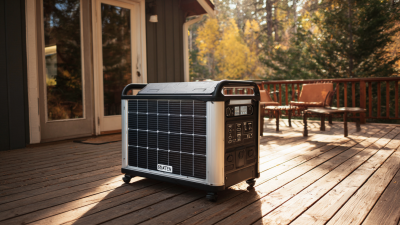
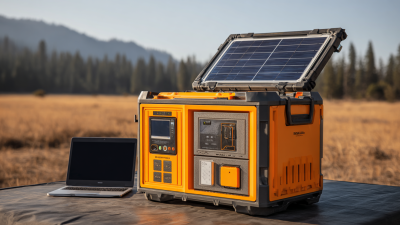
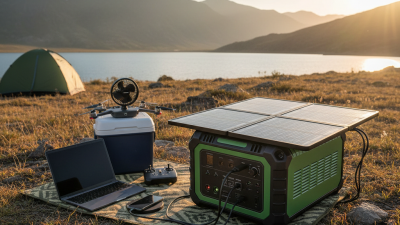
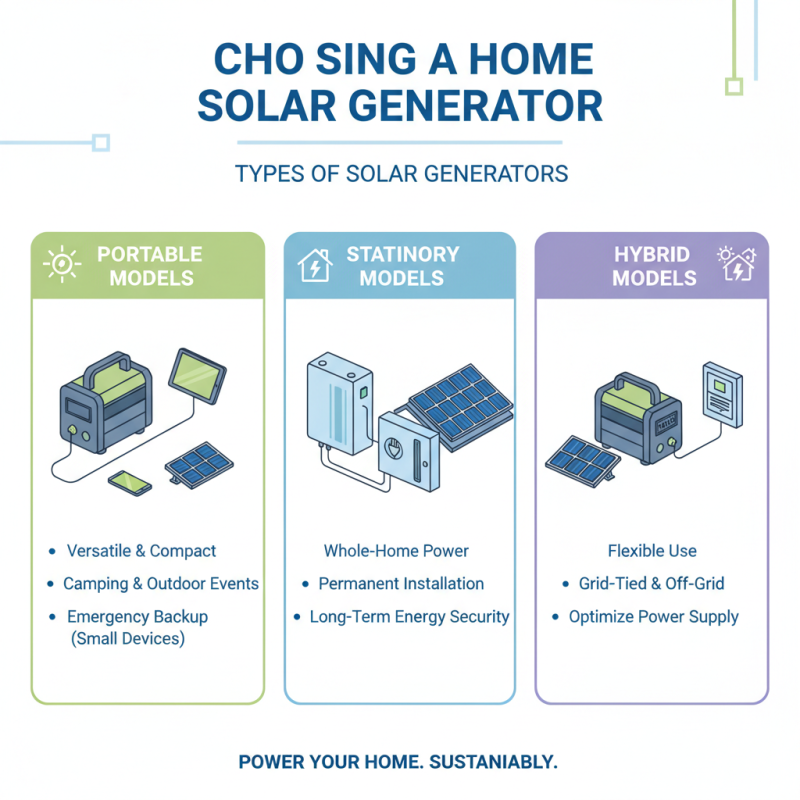
When it comes to choosing a solar generator for your home, understanding the different types available can significantly enhance your decision-making process. Solar generators typically fall into three main categories: portable, stationary, and hybrid models. Portable solar generators are highly versatile, designed for on-the-go power needs. They are ideal for camping trips, outdoor events, or emergency backup, allowing you to charge small devices or power lights with ease.
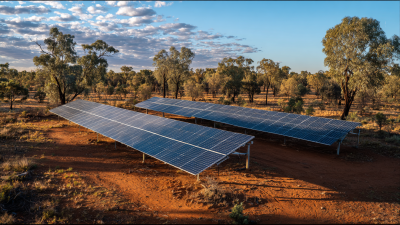
Stationary solar generators, on the other hand, are designed for more permanent setups, often integrated into a home energy system. These generators usually offer higher power outputs and are capable of supporting larger appliances, making them suitable for prolonged use during outages or for off-grid living. Hybrid models combine the benefits of both portable and stationary generators, offering flexibility and the ability to switch between solar and conventional power sources, which can be particularly advantageous in varying environmental conditions or when immediate energy needs arise. By grasping these categories, you can better assess your requirements and make an informed choice that aligns with your lifestyle and energy consumption needs.
Assessing Your Power Needs and Consumption Patterns
When choosing the best household solar generator, assessing your power needs and consumption patterns is crucial. Start by evaluating the electrical devices you use regularly. Make a list of essential appliances, including refrigerators, lights, computers, and any medical equipment. Each appliance has a specific wattage requirement, which should be noted. By determining the power consumption of these devices, you can establish a baseline for the wattage capacity you'll need from a solar generator.
Next, consider your household's consumption patterns. Do you use most of your appliances during the day or at night? This will influence whether a solar generator should be paired with battery storage to capture excess energy produced during the day for nighttime use. It's also important to think about how long you typically use each appliance. By analyzing usage frequency and duration, you can tailor your solar generator choice to ensure it meets your energy demands effectively. Remember, understanding your unique power needs is essential for selecting the right system that offers reliability and efficiency for your home.
Key Features to Look for in a Household Solar Generator
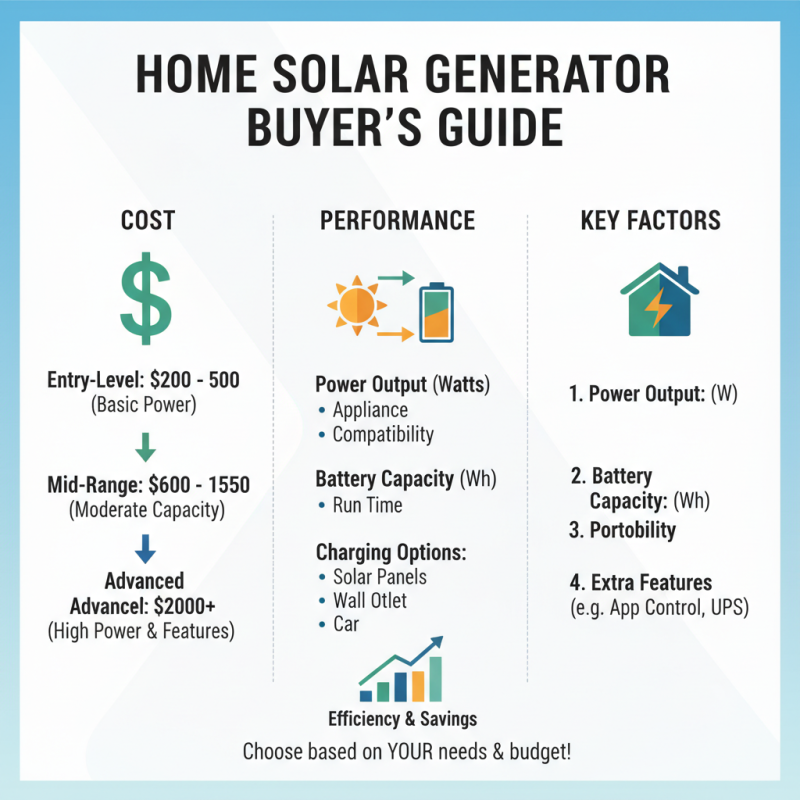
When choosing the best household solar generator, several key features should be evaluated to ensure it meets your home needs effectively. First and foremost, consider the power output of the generator. This is typically measured in watts and indicates how many devices you can run simultaneously. Assess your energy requirements by listing the appliances that you'd like to power during an outage or when off-grid. It's essential to select a generator that can handle your total wattage demand, including starting watts of appliances that may require more energy to power up.
Another critical feature to look at is the capacity of the battery, which is measured in amp-hours (Ah) or watt-hours (Wh). A higher capacity allows for longer usage without needing a recharge. Additionally, consider the charging options available. Many solar generators can be charged using solar panels, but some also offer the flexibility to be charged via a wall outlet or car adapter. This versatility can be crucial in ensuring that your generator remains functional under different conditions. Finally, examine the overall portability of the unit, particularly if you anticipate needing to move it for various uses. A lightweight design with sturdy handles is often advantageous for easy transport and storage.
How to Choose the Best Household Solar Generator for Your Home Needs
| Feature |
Description |
Importance |
| Battery Capacity |
The amount of energy the generator can store, measured in watt-hours (Wh). |
Higher capacity allows for longer use during outages. |
| Inverter Power |
The maximum wattage the generator can output at any given time. |
Essential for powering appliances; ensure it meets your needs. |
| Portability |
Weight and design that allow easy transport for outdoor use. |
Important for users who plan to use solar generators in various locations. |
| Solar Input |
How much solar power can be inputted for charging, affecting recharge time. |
Higher input makes the generator ready for use more quickly. |
| Number of Ports |
Different types of outlets available for charging various devices. |
More ports allow for powering multiple devices at once. |
| Durability |
The robustness of the generator against environmental factors such as water and dust. |
Essential for outdoor use and longevity of the generator. |
| Price |
Overall cost of the solar generator, including additional accessories needed. |
Budget consideration important for all consumers. |
Comparing Costs and Performance of Different Models
When selecting a household solar generator, cost and performance are pivotal factors that can significantly influence your decision. The market offers a variety of models, each with distinct features that cater to different energy needs and budgets. Generally, the price of solar generators is determined by their power output, battery capacity, and additional functionalities like portability and charging options. You can expect entry-level models to range from a few hundred dollars, providing basic functionality, while advanced units with higher capacity might reach into the thousands.
Performance, on the other hand, is often gauged by metrics such as wattage, run time, and the efficiency of solar panels. Higher wattage generators can power more devices simultaneously, making them suitable for larger households or specific high-energy appliances. Additionally, consider the battery capacity, which affects how long the generator can operate before needing a recharge. Comparing models based on these performance indicators will help ensure that you select a solar generator that not only fits your budget but also meets your home energy requirements effectively. Look for reviews and user feedback to gain insights into how different models perform in real-world scenarios, as this can greatly aid in making an informed choice.