2026 Best Residential Solar Systems for Your Home?
In recent years, the push for residential solar systems has gained momentum. Experts agree that now is a perfect time to explore this energy solution. John Smith, a solar energy consultant, states, "The right solar system can change your home’s energy consumption for good." His insight emphasizes the potential of solar systems to transform residential energy use.
Many homeowners are overwhelmed by the choices available. It’s essential to consider factors like efficiency, cost, and installation services. Not all residential solar systems are created equal. Picking the ideal option requires research and understanding personal energy needs.
Common challenges include cost and installation complexities. Some may hesitate due to upfront expenses or doubts about reliability. However, the long-term savings and environmental benefits are significant. As more people consider residential solar systems, it’s crucial to navigate this evolving landscape carefully. The future of home energy might just rely on these systems.
What to Consider When Selecting Solar Systems for Your Home in 2026
When selecting a solar system for your home in 2026, several factors need careful consideration. The type of solar technology is a primary aspect. Look into options like monocrystalline and polycrystalline panels. Each has pros and cons. Monocrystalline panels are efficient but can be pricier. Polycrystalline panels are cost-effective, yet they may take up more space.
Tips: Evaluate your roof space and sun exposure. If you have limited space, opt for higher efficiency panels. If you have ample space, less expensive options might be feasible.
Another critical factor is the inverter type. A good inverter maximizes energy harvest. Opt for string inverters or microinverters based on your layout. If shadows affect your panels, microinverters are often a better choice.
Tips: Consider potential future upgrades. Will your energy needs change in a few years? Think ahead to avoid costly replacements later. Take your time to research and ensure the system fits your long-term plans.
Cost Analysis: Investing in Solar Energy for Your Home in 2026
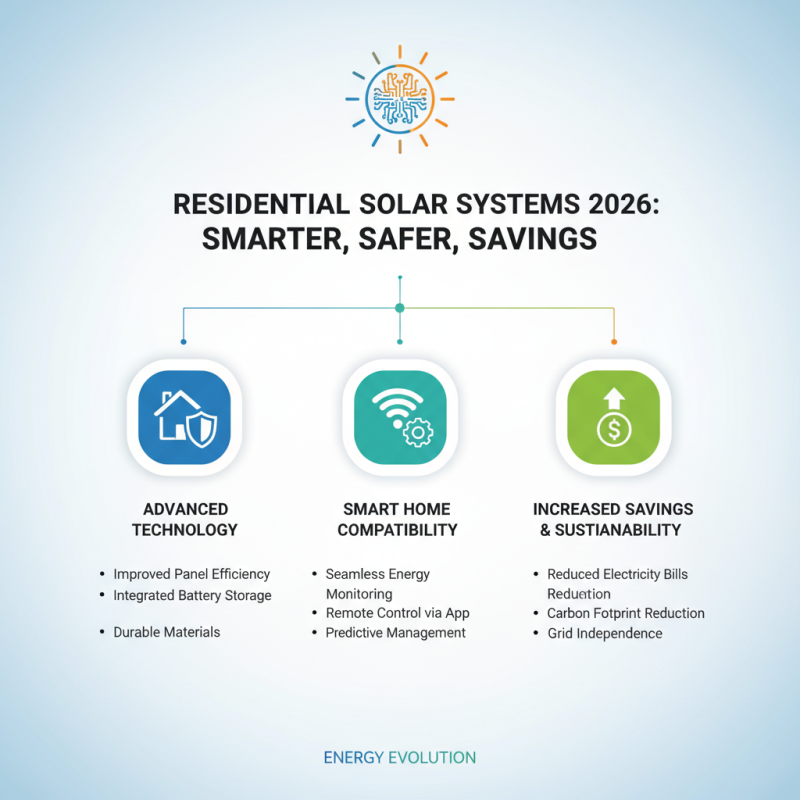
In 2026, investing in solar energy continues to show promise for homeowners. A recent industry report highlights that residential solar systems can reduce electricity bills by up to 70%. The cost of installing solar panels has decreased significantly, dropping by nearly 25% over the past five years. This trend makes solar energy more accessible for many. However, upfront costs still range from $15,000 to $30,000 depending on system size and installation complexity.
While considering a solar investment, homeowners should evaluate local incentives and financing options. Many states offer tax credits and rebates. These can further lower initial expenses. Ensure to conduct a thorough cost analysis. Some homeowners experience disappointment post-installation due to unanticipated maintenance costs. Regular upkeep is essential to maximize efficiency.
Tips: Look for community solar options if upfront costs are daunting. Many programs provide shared solar benefits. Also, monitor energy usage closely. This can lead to better decision-making regarding system size. Carefully assess roof conditions before installation. A solid roof is essential for supporting solar panels effectively.
2026 Best Residential Solar Systems Cost Analysis
Comparing Different Types of Residential Solar Panels for Home Use
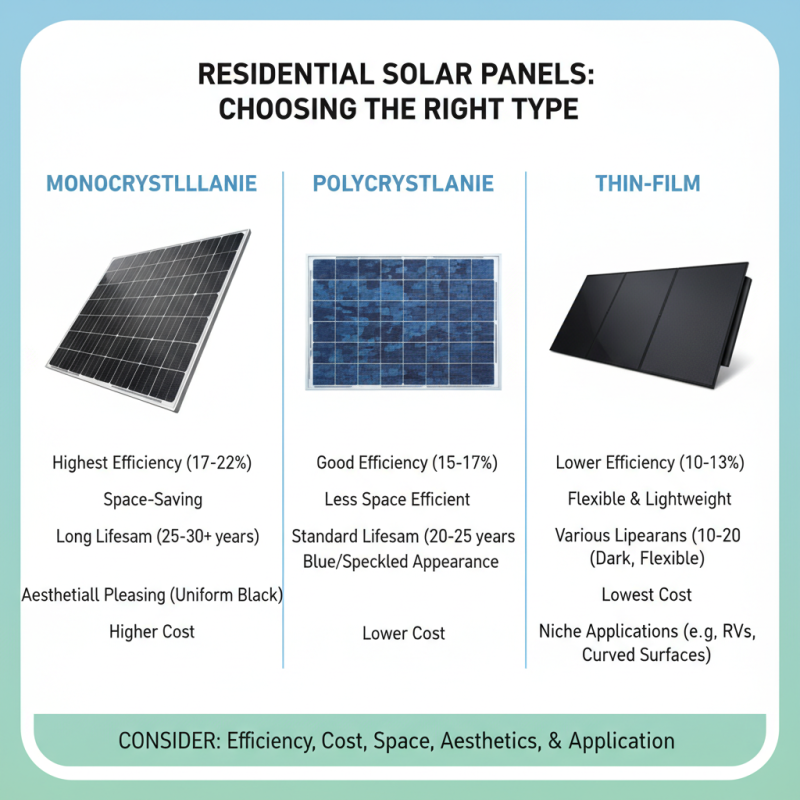
When considering residential solar systems, homeowners often face a daunting choice among various types of solar panels. Understanding the differences is crucial. Monocrystalline, polycrystalline, and thin-film panels each come with unique advantages and disadvantages.
Monocrystalline panels are known for their high efficiency. They convert more sunlight into energy than other types. According to industry reports, these panels offer efficiencies of up to 22%. However, they can be more expensive upfront. Polycrystalline panels are a popular alternative. They tend to be more affordable, but their efficiency typically ranges from 15% to 17%. This can lead to larger installations requiring more roof space. Thin-film panels are the least efficient but are flexible and lightweight, making them suitable for specific applications.
Tips: Before choosing, evaluate your roof's orientation and shading. This will help determine which panel type suits your home best. Consider the long-term energy savings against the initial costs. Research local incentives too, as they can greatly affect your choice. Always ask questions about warranties and lifespan. Quality and resilience matter. Remember, going solar is a significant investment. A small oversight could impact your return on investment.
How to Assess the Efficiency and Durability of Solar Systems in 2026
When considering solar systems for your home in 2026, evaluating efficiency and durability is crucial. Research shows that solar panel efficiency rates have improved significantly, with some panels now reaching efficiencies above 22%. This means more energy production in the same space. However, it’s essential to check how long these panels last. Most panels come with a 25-year warranty, but reviews indicate that some may experience a drop in performance earlier.
Tip: Look for systems that offer durable components. Weather-resistant materials ensure longevity. Panels that can withstand extreme temperatures and conditions will reduce maintenance costs.
Durability also relates to the technology used in solar systems. Thin-film solar panels might be cheaper, but their efficiency usually falls short compared to traditional models. Additionally, an unreliable inverter can lead to costly repairs. Reports suggest that inverters typically last only 5 to 15 years, so consider this in your long-term investment.
Tip: Don’t overlook installation quality. Poor installation can lead to problems down the line. Research local installers and read reviews. The right setup ensures optimal performance of your solar system. Remember, efficiency and durability directly impact your energy output.