Top 10 Benefits of Solar Panels For Home Use Today?
As home energy costs soar, many homeowners are turning to Solar Panels For Home as a sustainable alternative. According to the Solar Energy Industries Association (SEIA), residential solar installations grew by 27% in 2022 alone, showcasing a rising trend towards renewable energy. An expert in the field, Dr. Emily Carter, states, “Adopting solar energy can significantly reduce your electricity bills while also benefiting the environment.”
Solar Panels For Home not only provide financial savings but also enhance energy independence. Homeowners enjoy the ability to generate their own electricity, reducing reliance on traditional power grids. This shift is crucial as it contributes to energy sustainability and can bolster home value.
However, the transition to solar energy is not without challenges. Installation costs can be high upfront, and some regions may not provide adequate sunlight year-round. Furthermore, homeowners must navigate various tax incentives and rebates, which can vary by location. Despite these hurdles, the long-term benefits can outweigh initial struggles, making solar panels an appealing investment for many.
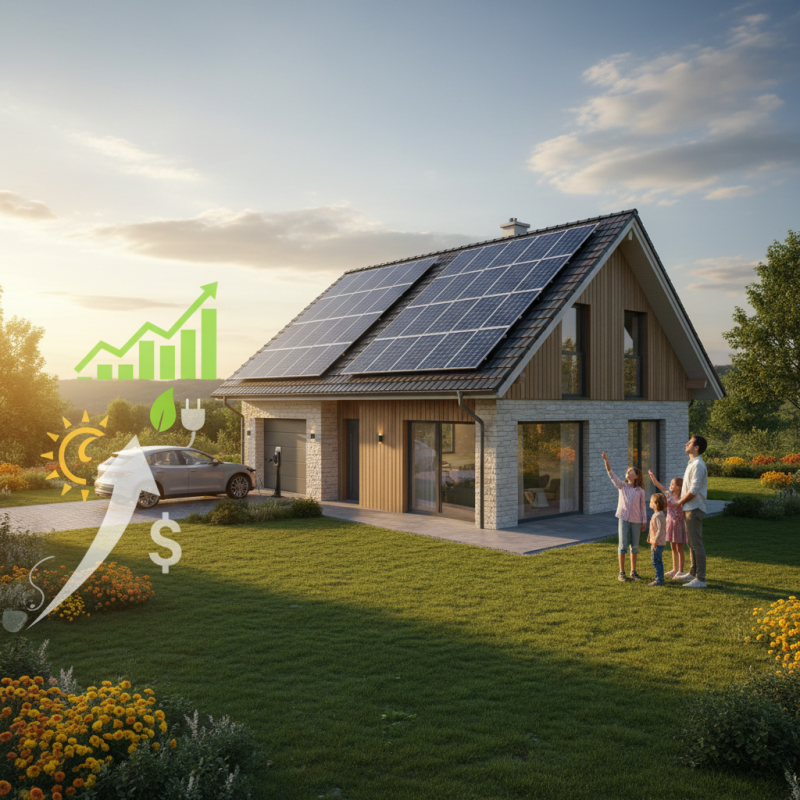
Benefits of Solar Panels for Residential Use
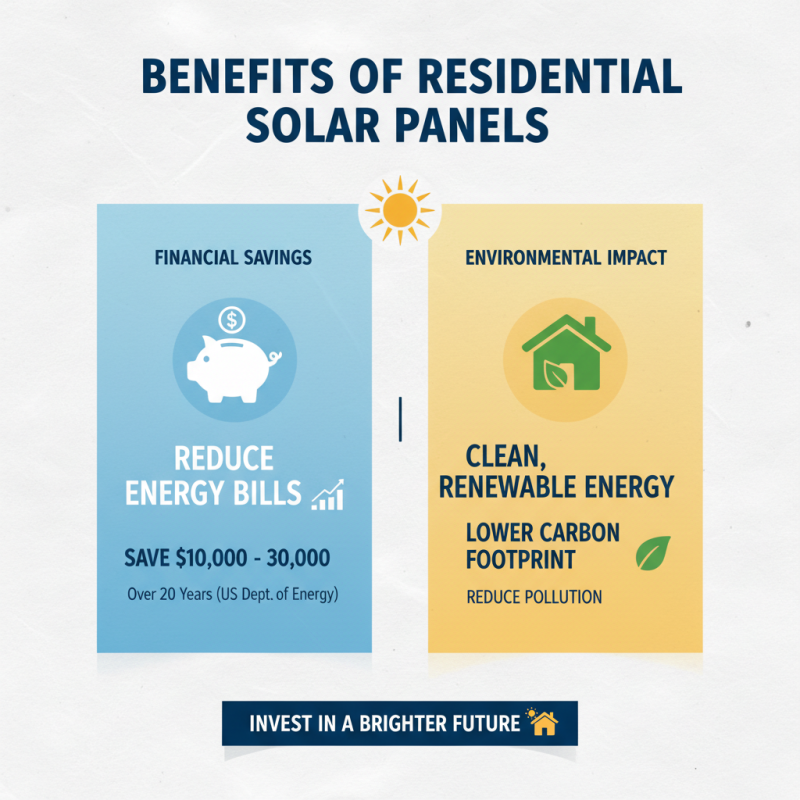
Solar panels offer numerous advantages for residential use. First, they can significantly reduce energy bills. According to the U.S. Department of Energy, homeowners can save between $10,000 to $30,000 over a 20-year period with solar energy. This clear financial incentive encourages many to invest in solar technology.
Another notable benefit is the increase in home value. A study by Zillow found that homes with solar energy systems sold for an average of 4.1% more than similar homes without. This trend can make solar panels a smart financial decision for homeowners looking to sell in the future.
**Tip:** Before installation, evaluate your roof’s condition. A strong, well-maintained roof ensures that your solar panels work efficiently.
Furthermore, solar panels contribute to a cleaner environment. The Solar Energies Industry Association reports that solar energy systems offset more than 100 million tons of CO2 emissions annually. This reduction plays a vital role in combating climate change and promoting sustainability.
**Tip:** Research local regulations and incentives. Many areas offer tax credits and rebates that make solar investments more accessible.
Investing in solar energy also provides energy independence. With a solar system, homeowners rely less on electric companies. This not only protects against rising energy costs but also affords greater control over energy consumption.
Reduction in Electricity Bills with Solar Energy
One of the most significant advantages of solar panels is the reduction in electricity bills. When your home uses solar energy, you rely less on the grid. This means lower monthly payments. Many homeowners notice immediate savings. A typical solar system can cut bills by 50% or more.
However, the savings are not always guaranteed. Installation costs can be high initially. Homeowners may face challenges during the setup. Solar energy production may vary by season and location. For instance, cloudy days can limit energy capture. It’s essential to evaluate your home’s sunlight exposure.
In the long run, most residents see financial benefits. The rising cost of electricity makes solar appealing. Additionally, some communities offer incentives. Local rebates can help offset installation costs. Relying on solar energy can be a smart financial move but requires careful planning and consideration.
Top 10 Benefits of Solar Panels For Home Use Today
| Benefit |
Description |
Estimated Savings ($) |
| Reduction in Electricity Bills |
Solar panels generate electricity, lowering monthly utility costs. |
$100 - $200 |
| Increase in Home Value |
Homes with solar panels may have higher resale values. |
$15,000 - $25,000 |
| Tax Incentives |
Various tax credits available for solar installation. |
Varies by location |
| Low Maintenance Costs |
Solar panels require minimal maintenance, just occasional cleaning. |
$20 - $50 per year |
| Energy Independence |
Reduced reliance on grid electricity, increasing energy security. |
N/A |
| Environmental Benefits |
Reduced carbon footprint and promotion of renewable energy. |
N/A |
| Reliable Energy Source |
Solar energy is abundant and renewable, reducing dependence on fossil fuels. |
N/A |
| Net Metering |
Excess energy produced can be sold back to the grid. |
Varies by utility |
| Job Creation |
Growth of the solar industry creates new job opportunities. |
N/A |
| Energy Storage Capabilities |
With battery systems, homeowners can store energy for later use. |
$300 - $700 per year |
Environmental Impact: Going Green with Solar Panels
Solar panels have emerged as a powerful tool for reducing environmental impact. They convert sunlight into clean energy, significantly lowering carbon emissions. According to the U.S. Department of Energy, residential solar systems can reduce household emissions by up to 80%. This shift to renewable energy sources helps combat climate change.
The adoption of solar panels also fosters energy independence. Homeowners can generate their own electricity, reducing reliance on fossil fuels. A report from the National Renewable Energy Laboratory indicates that widespread solar adoption could reduce greenhouse gas emissions by 37 percent by 2030. Despite these benefits, barriers like initial installation costs and aesthetic concerns remain challenges that need addressing.
Communities are increasingly recognizing the importance of solar energy. Solar panel installations create local jobs and stimulate economic growth. Yet, there is a need for continued education on the long-term benefits of solar energy. Encouraging more homeowners to embrace this green technology could enhance sustainability efforts. However, ongoing discussions about efficiency and rebounding costs require attention.
Increase in Property Value through Solar Installation
Solar panels offer a remarkable benefit: they can significantly increase your home's property value. When potential buyers see solar installations, they view it as a valuable feature. This perception can lead to a higher selling price. Homes with solar panels are often more attractive to eco-conscious buyers.
Consider the long-term investment. Solar energy reduces electricity bills, appealing to cost-conscious homeowners. Some studies suggest homes with solar fetch a premium of around 4% more than non-solar homes. This extra value can justify installation costs. However, not all homes will see the same increase. Factors like location and energy needs play a role.
Despite the apparent financial advantage, some homeowners hesitate. The upfront costs can be daunting. Installation requires careful planning and research. Buyers question the longevity of systems and warranties. Understanding these aspects is crucial. Over time, solar may prove to be a wise investment, enhancing not just property value but also sustainable living.
Low Maintenance Requirements of Solar Energy Systems
Maintaining solar energy systems is surprisingly easy. Most components require minimal intervention. Solar panels are generally self-cleaning. Rain helps wash away dirt and debris. Occasionally, a gentle rinse with water can help, especially in dusty areas. This simplicity appeals to many homeowners.
In contrast to other home systems, solar setups are more durable. They can withstand harsh weather conditions. Once installed, they can last for decades with little upkeep. This reduces stress and saves time. Yet, it's essential to inspect connections and inverters periodically. Neglecting this can lead to performance issues.
While solar panels have impressive reliability, some issues do arise. Inverters or batteries may need replacement over time. Homeowners should budget for these potential costs. Understanding these factors can enhance their experience. Engaging with professionals during maintenance checks ensures optimal performance.
Top 10 Benefits of Solar Panels For Home Use
This chart illustrates the various benefits of solar panels for home use, highlighting factors such as energy savings, environmental impact, and energy independence.