Top Benefits of Installing a Solar Panel System Home Today?
In recent years, the demand for Solar Panel System Home installations has surged. Experts like Dr. Emily Tran, a renewable energy specialist, emphasize, “The shift to solar is not just eco-friendly; it’s a smart financial decision.” This sentiment resonates as homeowners seek sustainable solutions in today's energy landscape.
Investing in a Solar Panel System Home can feel daunting. Initial costs can be high, which might make potential buyers hesitate. However, the long-term savings on energy bills often outweigh the upfront investment. It’s essential to consider local incentives and rebates. These can significantly lower the overall cost of installation.
Moreover, the environmental impact of solar energy cannot be ignored. By reducing reliance on fossil fuels, homes contribute to a healthier planet. Homeowners should reflect on their usage and the potential benefits of going green. While not everyone can make the switch immediately, understanding the advantages is crucial for future decisions. The transition to solar energy is not only beneficial but necessary for sustainable living.
Understanding Solar Panel Systems and Their Components
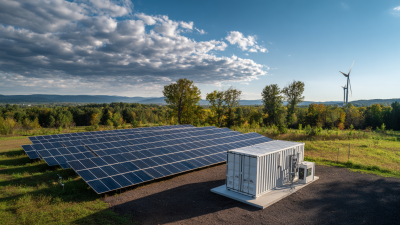
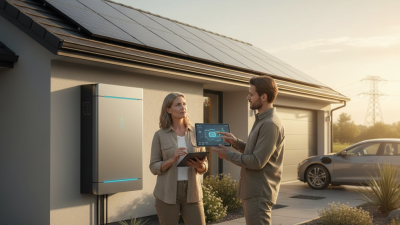
Understanding solar panel systems is crucial before making an installation decision. A solar panel system primarily consists of photovoltaic (PV) panels, an inverter, and sometimes a battery storage system. The PV panels convert sunlight into electricity. This electricity is then sent to the inverter. The inverter changes the direct current (DC) into alternating current (AC), which is usable in homes.
Batteries may store excess energy for later use. This is especially beneficial during cloudy days or at night. Yet, battery systems can be costly and may require extra maintenance. Choosing the right components can be overwhelming. It’s essential to assess your home’s energy needs accurately. Some homes may need larger systems, while others can benefit from a simpler setup.
Not all solar panel systems perform the same. Factors like location, roof orientation, and local climate can affect efficiency. Regular maintenance is also key to ensuring optimal performance. Homeowners should consider these aspects carefully to avoid headaches later.
Cost Savings and Financial Incentives for Solar Panel Installation
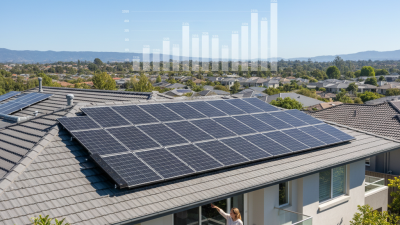
Installing a solar panel system at home can lead to significant cost savings. Homeowners often notice a decline in their monthly electricity bills after installation. This reduction can free up funds for other expenses. Some states offer rebates, tax credits, or incentives that reduce upfront costs. As a result, solar panels can pay for themselves over time.
When considering solar, it’s important to assess your location. Areas with abundant sunlight typically yield better returns on investment. Homes with south-facing roofs also maximize solar exposure. Don't forget to factor in installation costs. Sometimes, the initial expense may seem daunting.
Tips: Research local incentives thoroughly. Some programs have strict deadlines. Explore financing options available in your area as well. If possible, consult multiple installers to compare rates. Remember that not every house is suited for solar energy. Analyze your consumption patterns to ensure long-term benefits.
Environmental Benefits of Utilizing Solar Energy at Home
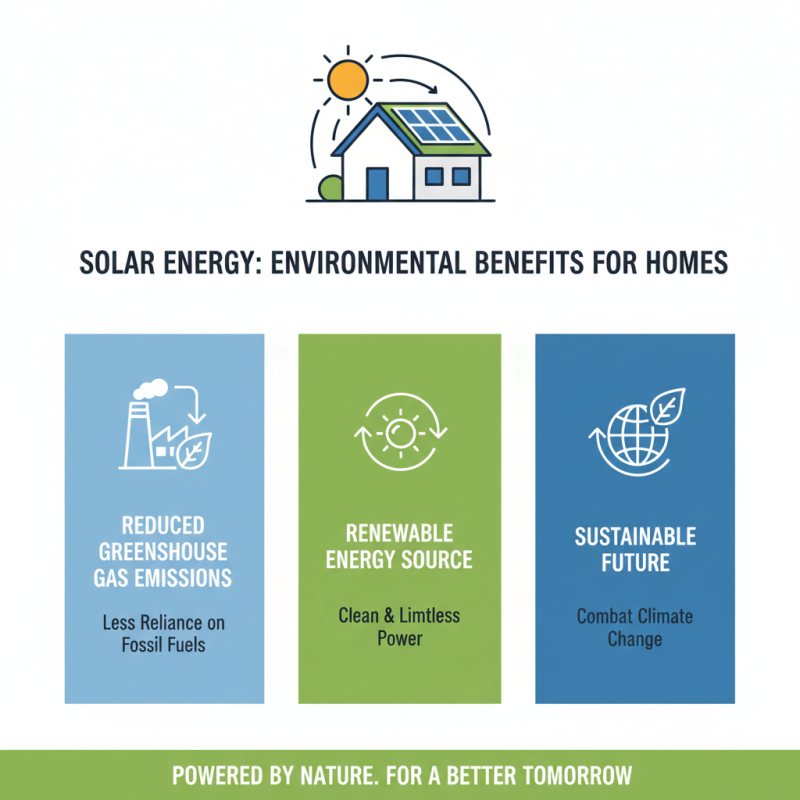
Solar energy offers remarkable environmental benefits for homes. By using a solar panel system, you significantly reduce reliance on traditional energy sources. This leads to lower greenhouse gas emissions, which is crucial for combating climate change. Moreover, solar energy is renewable, ensuring that you contribute to a sustainable future.
The positive impact on wildlife is often overlooked. Solar panels can help reduce air pollution, which benefits local ecosystems. When air quality improves, plants and animals thrive. It’s essential to think about how our energy choices affect the natural world.
**Tips:** Start with energy audits. Identify how much energy your home consumes. This will inform your solar needs. Additionally, consider local climate conditions. Some areas receive more sunlight than others, impacting solar efficiency. Opting for solar is a step toward reducing your carbon footprint, an action everyone can take.
Enhancing Property Value with Solar Panel Systems
Installing a solar panel system can significantly enhance your property's value.
Homes equipped with solar panels often attract potential buyers.
This demand can lead to higher sale prices and quicker transactions.
Solar energy offers a sustainable solution that many eco-conscious buyers appreciate.
A property with solar panels suggests lower utility bills and energy independence.
Buyers see this as an appealing feature, especially in areas with high electricity costs.
However, the initial investment for solar installation can be daunting.
Many homeowners hesitate despite the long-term financial benefits.
Local regulations and rebates can also complicate the process.
Understanding local incentives may require some research.
Not all neighborhoods value solar equally, so examining local market trends is wise.
Installing solar is an appealing option, but it comes with its own set of challenges and uncertainties.
The Impact of Solar Energy on Energy Independence and Security
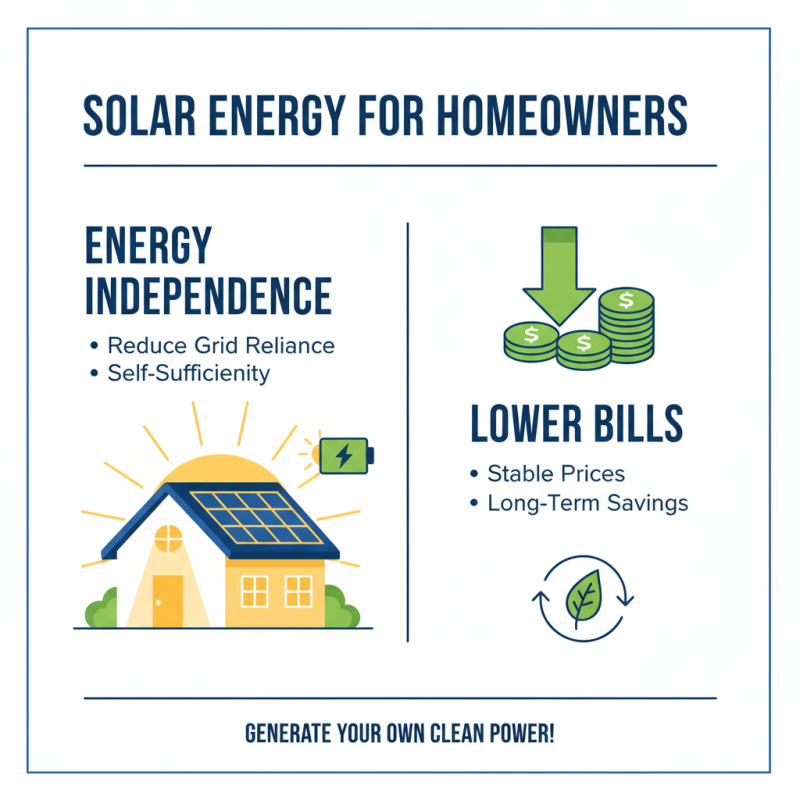
Solar energy offers remarkable benefits for homeowners looking to boost energy independence. By harnessing sunlight, families can reduce reliance on traditional power grids. This shift promotes self-sufficiency and lessens vulnerability to fluctuating energy prices. Imagine enjoying lower bills each month while generating your own clean energy. That's the allure of solar.
Not only does solar energy help individual households, but it also strengthens national energy security. With more homes using solar panels, the overall demand for imported fossil fuels decreases. This shift can potentially enhance a country's resilience against energy crises. However, the transition isn't without challenges. Installing solar systems can involve significant upfront costs and regulatory hurdles. Homeowners may face difficulty navigating incentives or permits. Yet, these obstacles are worth overcoming. The freedom that comes with solar energy is transformative, fueling both financial benefits and a cleaner environment for future generations.