MH Energy Your Better Solar and Energy Partner

As we approach 2026, choosing the right solar panel system home has never been more crucial. According to a recent report from the International Energy Agency, the global solar capacity reached 820 gigawatts in 2020, showcasing an undeniable shift towards renewable energy. This growth presents homeowners with new opportunities to harness solar power effectively. However, navigating the sea of options can be overwhelming.
Investing in a solar panel system home not only reduces electricity bills but also increases property value. In fact, a study from the U.S. Department of Energy found that homes with solar panels sold for 4.1% more than those without in 2020. Although this is promising, not all systems are created equal. Factors like installation quality, panel efficiency, and local regulations can significantly impact performance.
While the benefits are clear, individuals must also consider their unique circumstances. Not every roof is suitable for solar panels. Homeowners should engage professionals to assess their specific needs. By understanding the ins and outs of solar panel systems, one can make an informed decision that impacts not just finances but also environmental footprints.
Choosing the right solar panel system for your home involves several important factors. Efficiency is crucial. Modern panels convert up to 22% of sunlight into electricity. Higher efficiency means more energy production, which can lead to lower electricity bills. However, check the space available on your roof before opting for high-efficiency models. Not every home has adequate space to support more panels.
Cost is another significant consideration. According to industry reports, average installation costs range from $15,000 to $25,000 for residential systems. This might seem daunting, but many families see returns through energy savings within five to seven years. The affordability of solar power varies across regions. Some areas offer incentives that can dramatically lower upfront costs. Always research local programs before deciding.
Finally, warranty and durability matter. Solar panels typically come with 25-year warranties, but life expectancy can vary. Some products may degrade faster, leading to lower overall production. Homeowners should examine performance guarantees carefully. It’s essential to balance initial costs with long-term benefits. Investing time in research now can prevent regrets later. Prioritize the factors that align with your unique needs.
The landscape of solar technology is evolving rapidly. For homeowners, understanding these advancements is crucial. Photovoltaic (PV) panels are now more efficient than ever, with top models converting over 22% of sunlight into energy. This improvement means more power generation, even in smaller spaces.
Thin-film solar cells are gaining traction, too. They are lightweight and flexible, making them ideal for unique installations. A study revealed that homeowners can save 30% on energy costs by utilizing these innovative systems. However, they generally require more space compared to traditional panels, presenting a challenge for some.
Bifacial solar panels are another option. They capture sunlight from both sides, increasing overall efficiency. Recent reports suggest that they can boost energy production by an additional 10-20%. Yet, factors like installation angle and environment affect their performance. These intricacies remind homeowners to assess specific needs and conditions before investing in solar technologies.
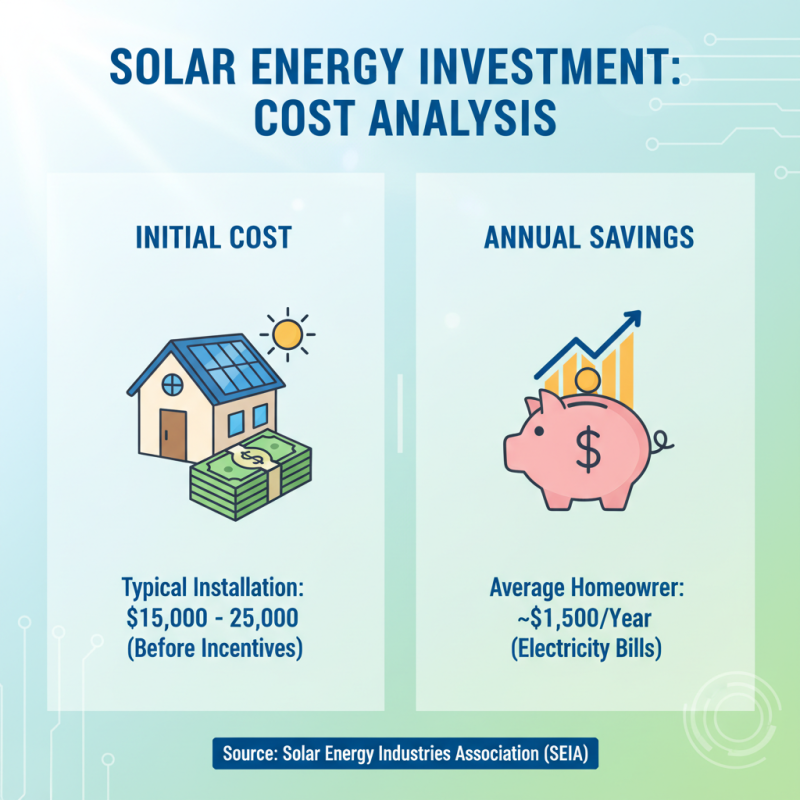
Investing in solar energy systems can significantly impact your home’s energy costs. According to the Solar Energy Industries Association (SEIA), the average solar panel installation can save homeowners around $1,500 annually on electricity bills. However, the initial costs can be daunting. A typical solar system installation ranges from $15,000 to $25,000 before any tax credits or incentives are applied.
Evaluating the long-term benefits is crucial. Many homeowners find that solar systems pay for themselves within 5 to 7 years. Yet, regional variability plays a role. In some areas, local utility rates are lower, extending the payback period. Moreover, maintenance costs, although generally low, can add up over time. It's essential to analyze these facets before making a commitment.
The investment in solar energy is not just about installation costs. Home value can also see a boost. A report from Zillow suggests homes with solar can sell for about 4% more than those without. However, not all buyers prioritize solar features, which can complicate future sales. Thus, while solar systems offer substantial benefits, careful evaluation is needed to ensure they align with financial and personal goals.
Solar panel installations provide valuable benefits, particularly through government incentives and tax advantages. In 2023, the U.S. federal tax credit for solar energy systems stands at 30%. Homeowners can deduct this percentage from their federal taxes. However, keeping track of these benefits requires careful planning. Deadlines for claiming credits can be easily missed.
Various states offer their own programs. For example, California funds a rebate program that can cover a portion of installation costs. North Carolina has similar incentives that make solar more affordable. According to the Solar Energy Industries Association, increased state incentives have led to an estimated 40% growth in residential solar uptake over the last three years.
It's important to reflect on these opportunities. Many homeowners still underestimate potential savings. Research shows that the average return on investment for solar panels can exceed 20% in optimal conditions. Yet, some regions lack adequate incentives, leaving potential users frustrated. This highlights the need for better state policies to support renewable energy growth.
| Dimension | Details |
|---|---|
| Average Cost of Installation | $15,000 - $25,000 |
| Average Savings on Energy Bills | $1,000 - $2,000 annually |
| Government Tax Credit | 26% federal tax credit available |
| State Incentives | Varies by state, up to $5,000 |
| Average Payback Period | 5 to 10 years |
| Environmental Impact | Reduces carbon footprint by 3-4 tons/year |
| Increased Home Value | Homes with solar sell 20% faster |
Maintaining your solar panel system is crucial for optimal performance. Regular cleaning helps prevent dust and debris build-up. This can reduce efficiency significantly. Use a hose or a soft brush to clean the panels. It’s a simple task but often neglected.
Another important tip is to check for shading. Trees or buildings may block sunlight at certain times. Regularly assess your surroundings. Trim any overhanging branches if necessary. Little actions can make a big difference in energy production.
Lastly, monitor your energy output regularly. Many systems have monitoring tools. If you notice a drop in production, investigate. Sometimes, it can be an easy fix. Other times, it might indicate a deeper issue. Staying vigilant can save you time and money in the long run.