What is a 10kW Solar Power System and How Does it Benefit Your Home?
As the pursuit of renewable energy continues to gain momentum, the 10kW Solar Power System stands out as a practical solution for homeowners looking to reduce their electricity bills and carbon footprint. According to Dr. Emily Hartman, a renowned expert in solar energy systems, “Investing in a 10kW Solar Power System not only empowers homeowners with energy independence but also increases the overall value of their property.” This system, capable of generating a significant amount of electricity, can power a large home or small business, ensuring that everyday energy needs are met sustainably.
The 10kW Solar Power System offers numerous benefits, from reducing reliance on grid electricity to potentially eliminating energy costs over time. Homeowners can enjoy significant savings while contributing to a cleaner environment. Moreover, the efficiency of these systems has improved dramatically, making them a viable option for those looking to transition to renewable energy. Understanding how a 10kW Solar Power System works and the advantages it provides is essential for anyone considering solar energy for their home. Embracing this technology not only reflects a commitment to sustainability but also unlocks the potential for long-term financial savings.
What is a 10kW Solar Power System?
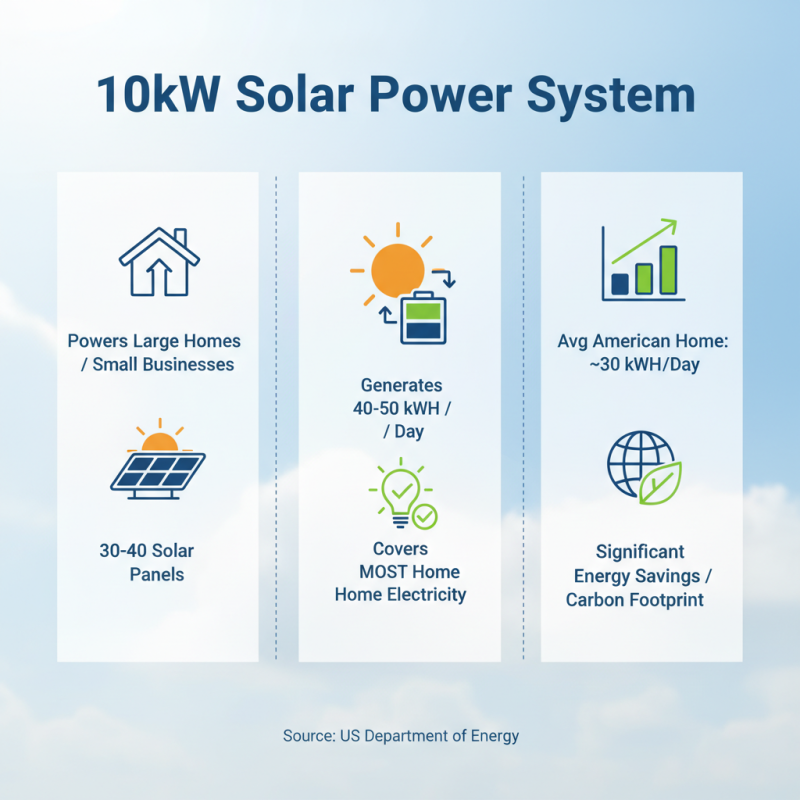
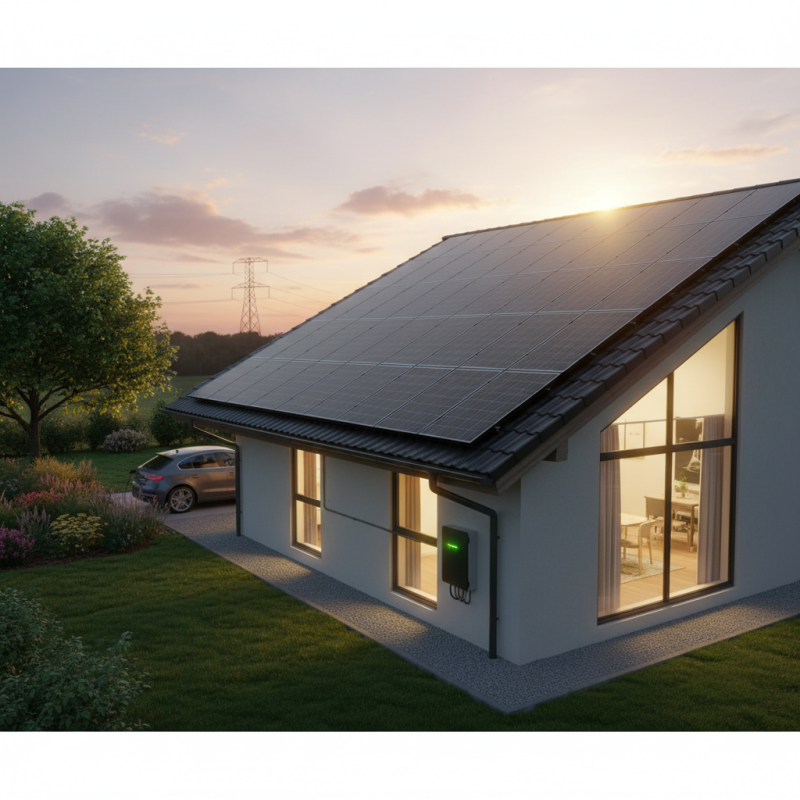
A 10kW solar power system is a mid-sized photovoltaic installation designed to convert sunlight into usable electricity, typically suitable for larger homes or small businesses. This system usually comprises approximately 30 to 40 solar panels, depending on the wattage of each panel. The primary function of a 10kW solar setup is to generate around 40 to 50 kilowatt-hours (kWh) of energy per day, which can significantly offset a household's energy consumption. According to the U.S. Department of Energy, an average American home consumes about 30 kWh per day, meaning that a 10kW system can cover most, if not all, of a home's electricity needs.
Moreover, investing in a 10kW solar power system can yield numerous benefits for homeowners. First, it can lead to substantial cost savings on electricity bills. The National Renewable Energy Laboratory reports that solar energy can reduce monthly energy costs by up to 75% when properly sized and installed. Additionally, homeowners can take advantage of incentives such as the Investment Tax Credit (ITC), which allows for a significant deduction on federal taxes, making solar installations more financially accessible. Furthermore, by generating clean energy, homeowners contribute to reducing their carbon footprint, promoting sustainability and resilience against rising utility rates in the long term.
Key Components of a 10kW Solar Power System
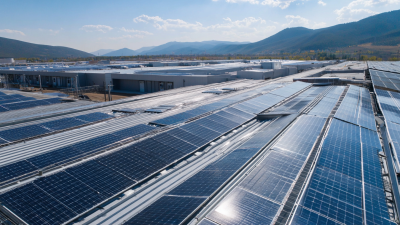
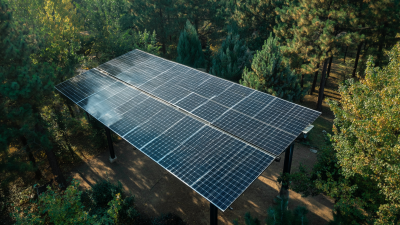
A 10kW solar power system consists of several key components that work together to harness solar energy efficiently. At the heart of the system are solar panels, which convert sunlight into electricity. Typically, a 10kW system requires about 30 to 35 solar panels, depending on their efficiency and the available roof space. These panels are mounted on rooftops or ground-mounted structures to maximize sunlight exposure throughout the day.
In addition to solar panels, an inverter plays a crucial role in a 10kW system. The inverter converts the direct current (DC) generated by the solar panels into alternating current (AC), which is used in most household appliances. There are different types of inverters, including string inverters, microinverters, and power optimizers, each offering various advantages in terms of performance and installation flexibility. Furthermore, a robust mounting system is necessary to secure the panels, ensuring they withstand wind and weather conditions. Lastly, monitoring systems track the performance of the solar panels, allowing homeowners to optimize energy production and maintenance.
Together, these components make up an efficient 10kW solar power system that can significantly reduce energy costs and environmental impact.
Benefits of Installing a 10kW Solar Power System for Your Home
A 10kW solar power system is an excellent investment for homeowners looking to reduce their electricity bills and contribute to a sustainable future. This capacity is generally sufficient for an average household, allowing homeowners to generate their own energy, thereby decreasing reliance on grid electricity. According to the U.S. Department of Energy, the average U.S. household uses about 877 kWh per month, which translates to approximately 10,500 kWh annually. A 10kW system can produce roughly 12,000 to 14,000 kWh per year, depending on geographical location and weather conditions, essentially covering most, if not all, of the household's energy needs.
Installing a 10kW solar power system comes with several benefits. Firstly, it can significantly lower utility bills; homeowners can save an average of $1,700 annually, as reported by EnergySage. In addition, with various incentives and rebates available, the initial investment can often be recouped in 5 to 7 years, depending on local energy prices and government policies. Furthermore, powering a home with solar energy reduces carbon footprint; the Environmental Protection Agency estimates that a typical home with solar panels can eliminate over 100,000 pounds of carbon dioxide over 30 years, making it a green choice for environmentally conscious individuals. By opting for a 10kW solar power system, homeowners not only enjoy financial savings but also contribute positively to the environment.
What is a 10kW Solar Power System and How Does it Benefit Your Home?
| Dimension |
Details |
| System Size |
10 kW |
| Estimated Energy Production |
1,200 - 1,600 kWh/month |
| Average Household Savings |
$100 - $200 per month |
| Payback Period |
5 - 7 years |
| Carbon Offset |
Approximately 8 - 10 tons/year |
| Government Incentives |
30% Federal Tax Credit |
| System Lifespan |
25 years on average |
| Increased Home Value |
Up to $15,000 increase |
Cost Analysis and Savings from a 10kW Solar Power System
A 10kW solar power system can significantly reduce energy costs for a home, providing a blend of financial savings and environmental benefits. According to the National Renewable Energy Laboratory (NREL), a typical residential system can save homeowners between $10,000 to $30,000 over the lifespan of the system, which is typically 25 years. This substantial savings comes from decreased reliance on grid electricity, generating free power during sunlight hours, and the potential for net metering benefits. As solar technology advances, the cost of installation has decreased by roughly 70% over the last decade, making it more accessible for homeowners.
For a 10kW system, installation costs typically range from $18,000 to $25,000 before any federal incentives or state rebates. While the initial investment may seem daunting, the long-term savings, coupled with tax credits such as the Federal Investment Tax Credit (ITC), can significantly improve the return on investment. As per Solar Energy Industries Association (SEIA) reports, many homeowners are recouping their installation costs within 5 to 7 years, depending on local electricity rates and usage patterns.
Tips: Before investing in a solar system, analyze your energy consumption and consider how much you currently pay for electricity. Additionally, check for state incentives that can offset installation costs. Finally, consult with multiple solar providers to compare quotes and ensure you receive the best value for your investment.
Installation Process of a 10kW Solar Power System and Maintenance Tips
Installing a 10kW solar power system involves several key steps to ensure optimal performance and efficiency. Initially, a thorough site assessment is conducted to evaluate your home's roof orientation, shading, and structural integrity. Once these factors are established, the solar panels and inverters are selected based on your energy needs and budget. The installation process typically takes one to three days, during which mounting hardware is secured, panels are installed, and electrical connections are made. It's crucial to ensure that all installations comply with local regulations and safety standards.
Maintenance of a 10kW solar power system is essential for ensuring its longevity and efficiency. Regular cleaning of the solar panels helps to remove dust, dirt, and debris that can hinder performance. It's also important to inspect the system periodically for any signs of wear or damage, particularly after severe weather conditions. Monitoring the system's energy output can help identify issues early on.
Tips for maintaining your solar power system include scheduling an annual professional inspection to assess the overall health of the equipment. Additionally, consider trimming nearby trees that may cast shade on the panels as this can significantly impact solar energy production. Keeping an eye on the inverter's performance indicators is also vital, as it can alert you to any operational issues that need addressing.
Energy Production Comparison of a 10kW Solar Power System
This bar chart illustrates the monthly energy production of a 10kW solar power system throughout the year. The energy production varies by season, highlighting the benefits of solar energy in terms of sustainability and reduced electricity costs for homeowners.